


.avif)



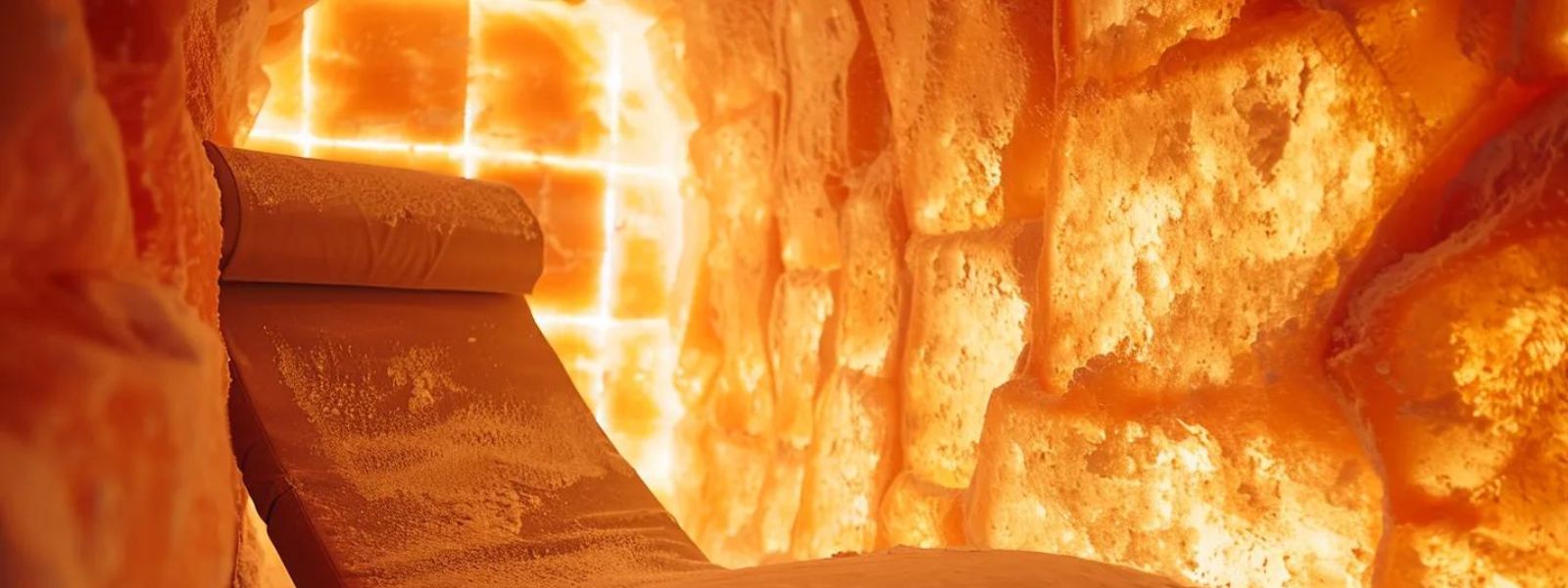
Halotherapy offers natural relief for psoriasis by reducing inflammation, killing bacteria, and exfoliating dead skin cells. Though not a cure, it eases symptoms and improves skin hydration and texture. Regular salt therapy sessions help manage flare-ups, support skin barrier repair, and enhance overall comfort for those with chronic psoriasis.
Yes, halotherapy helps psoriasis by reducing inflammation, killing bacteria, and removing dead skin cells. Salt therapy does not cure psoriasis but provides natural relief for many patients. Over 7.5 million adults in the United States live with psoriasis according to research published in JAMA Dermatology. This chronic autoimmune condition causes rapid skin cell growth, creating thick, red, scaly patches that itch and cause discomfort.
What Is Halotherapy?
Halotherapy is a natural therapy where patients breathe microscopic salt particles in a controlled environment. A device called a halogenerator grinds pharmaceutical-grade sodium chloride into fine particles and disperses them into a treatment room. Patients sit in salt rooms for 30 to 45 minutes per session. The salt particles enter the body through inhalation and skin absorption.
Salt rooms maintain temperatures around 68°F with low humidity levels. The environment mimics natural salt caves found in Eastern Europe. Medical-grade salt differs from table salt because of its purity and particle size. The particles measure between 1 to 5 microns, small enough to penetrate deep into skin pores and airways. The halogenerator controls particle size, concentration, and dispersion rate to optimize therapeutic effects.
How Does Salt Therapy Help Psoriasis?
Salt therapy reduces psoriasis symptoms through four biological mechanisms: antibacterial action, anti-inflammatory effects, exfoliation, and skin barrier repair.
Salt kills bacteria on the skin surface. Psoriasis creates skin openings where infections develop easily. Sodium chloride destroys harmful microorganisms and prevents secondary infections that complicate psoriasis management. The antimicrobial properties work continuously during sessions, protecting vulnerable skin areas.
The therapy calms immune system overactivity. Psoriasis results from excessive immune responses that cause rapid skin cell production. Salt particles reduce inflammatory markers in the skin tissue including cytokines and chemokines. This reduction decreases redness, swelling, and discomfort associated with active plaques.
Microscopic salt acts as a natural exfoliant. Dead skin cells and scales lift away without mechanical scrubbing that can damage sensitive psoriatic skin. The process smooths rough patches and reduces plaque thickness gradually over multiple sessions. Patients notice softer skin texture as the salt removes accumulated dead cells.
Salt improves skin hydration and barrier function. Magnesium in certain salts helps skin cells bind water molecules more effectively. Better moisture retention leads to softer, less cracked skin. The skin barrier strengthens, reducing water loss and protecting against environmental irritants. Enhanced barrier function helps prevent new psoriasis flare-ups by maintaining optimal skin conditions.
What Does Scientific Research Show About Halotherapy for Psoriasis?
Clinical studies show halotherapy improves psoriasis symptoms, though more research is needed to establish definitive protocols. A 2006 study in the Journal of Alternative and Complementary Medicine documented positive outcomes for skin conditions including psoriasis. Patients received 7 to 15 sessions within three weeks and experienced symptom reduction lasting 6 to 12 months.
Research on Dead Sea salt demonstrates stronger evidence. One controlled study compared arms soaked in 5% Dead Sea salt solution versus tap water for 15 minutes daily over six weeks. The Dead Sea salt group showed improved hydration, reduced roughness, and decreased redness.
A 2017 pediatric study found children with atopic dermatitis improved after 5 to 7 halotherapy sessions. The non-invasive treatment reduced inflammation and microbial colonization without medication side effects.
Studies on respiratory conditions provide indirect support for systemic anti-inflammatory effects. A 2014 review examined halotherapy effects on chronic respiratory diseases and found improvements in mucociliary elimination and lung function. These findings suggest the therapy triggers anti-inflammatory mechanisms throughout the body.
Which Types of Salt Work Best for Psoriasis?
Dead Sea salt provides superior results for psoriasis compared to regular salt due to its high mineral content. Dead Sea salt contains approximately 34.8% salinity with concentrated levels of magnesium, potassium, calcium, bromide, and other trace minerals. These minerals penetrate skin layers and reduce inflammation through multiple pathways.
A 2001 double-blind controlled study compared Dead Sea salt baths with common table salt baths over three weeks. Patients using Dead Sea salt experienced greater symptom reduction than those using regular salt. The Psoriasis Area and Severity Index (PASI) scores decreased significantly in both groups, but the Dead Sea salt group showed enhanced beneficial effects.
Himalayan salt contains trace minerals including iron, calcium, and magnesium that give it a distinctive pink color. Some salt therapy centers use pink Himalayan salt in their chambers, though research supporting its superiority over other salts remains limited. The aesthetic appeal and mineral variety attract patients seeking natural treatments.
Medical-grade sodium chloride serves as the standard in most halotherapy chambers. Halogenerators grind this pure salt into particles measuring 1 to 5 microns, small enough to penetrate deep into airways and skin pores. The consistency and purity of medical-grade salt ensures predictable therapeutic effects across sessions.
How Many Sessions Does Psoriasis Treatment Require?
Mild psoriasis typically requires one session per week, while moderate to severe cases need two to three weekly sessions. Treatment protocols recommend 7 to 15 sessions within a three-week period for optimal results.
Initial improvements appear after 5 to 7 visits for many patients. Itching decreases first, followed by reductions in redness and plaque thickness. Complete treatment courses produce benefits lasting 6 to 12 months.
Maintenance therapy extends results after completing the initial treatment course. After symptoms improve significantly, monthly sessions help prevent flare-ups and maintain improvements. The aggressive administration protocol mentioned in research emphasizes concentrated treatment within a short timeframe for stronger anti-inflammatory responses.
Can You Combine Halotherapy With Other Psoriasis Treatments?
Yes, halotherapy works as complementary therapy alongside conventional psoriasis treatments. Patients continue prescribed medications, topical creams, and phototherapy while adding salt sessions.
Salt therapy may enhance topical medication absorption by removing dead skin layers, allowing creams and ointments to penetrate deeper. Research shows combining salt baths with narrowband UVB phototherapy produces better results than UVB alone. Salt increases skin photosensitivity, making light therapy more effective.
Diet modifications support halotherapy benefits through immune system modulation. Anti-inflammatory eating patterns reduce psoriasis triggers from food sensitivities. Addressing gut health through nutritional counseling may extend symptom-free periods between flare-ups.
Stress reduction therapies complement salt therapy effectively. Chronic stress triggers psoriasis flares through cortisol and inflammatory pathway activation. Practices like Reiki or meditation reduce stress hormones and support immune system balance.
What Are the Risks and Side Effects of Salt Therapy?
Halotherapy causes minimal side effects and is safe for most patients, including children and pregnant women. The treatment does not involve medications, injections, or invasive procedures.
Common temporary effects include mild coughing as airways clear accumulated mucus and runny nose from sinus drainage. These reactions indicate the salt particles are working to cleanse respiratory passages.
Patients should avoid halotherapy if they have active fever or infection, uncontrolled severe hypertension, open bleeding wounds, or active tuberculosis. Individuals with contagious diseases should postpone sessions to prevent spreading illness.
Some individuals experience mild skin dryness or tightness after sessions. Moisturizing immediately after treatment prevents this reaction. The therapy carries no risk of sodium overload because absorption through inhalation and skin contact remains minimal.
Does At-Home Salt Therapy Match Professional Treatment Effectiveness?
Professional salt therapy centers produce better results than home methods due to specialized equipment and controlled environments. Halogenerators create particle sizes between 1 to 5 microns, impossible to achieve with home devices.
Home salt therapy options include Dead Sea salt baths with 5% salt concentration and portable salt inhalers. Dead Sea salt baths at home provide skin benefits but lack the respiratory advantages of halotherapy chambers. Patients add approximately 2 to 3 cups of Dead Sea salt to warm bathwater and soak for 20 minutes.
Professional centers control temperature, humidity, and salt concentration precisely. The sterile environment prevents contamination. Sessions typically cost $25 to $65 per visit, with package discounts available. Many centers offer membership programs providing unlimited monthly access for $100 to $200.
What Additional Health Benefits Does Halotherapy Provide?
Salt therapy treats multiple conditions beyond psoriasis, including respiratory disorders, other skin conditions, and stress-related symptoms.
Respiratory benefits include asthma symptom relief, chronic bronchitis improvement, allergy reduction, and sinus congestion clearance. Studies show 90.4% of patients receiving speleotherapy improved their clinical state compared to 72.8% in control groups.
Skin conditions that respond to halotherapy include acne, eczema, and dermatitis. The antibacterial and anti-inflammatory properties benefit various dermatological issues.
Mental health improvements occur through multiple mechanisms. Salt therapy reduces stress hormones including cortisol and may increase serotonin production through negative ion exposure. Better sleep quality develops after regular sessions as stress levels decrease.
How Long Until Psoriasis Symptoms Improve With Salt Therapy?
Most patients notice initial improvements within 5 to 7 sessions, with progressive benefits developing over 8 to 12 weeks. Response timing varies based on psoriasis severity, session frequency, and individual biology.
Week 1 to 3 changes include reduced itching intensity, softer skin texture, and decreased discomfort. Week 4 to 8 improvements show smaller plaque size, less redness, and fewer new patches forming. Month 3 and beyond results demonstrate significant clearing in responsive areas and extended remission periods.
Patients should photograph affected areas weekly to track progress objectively. Documentation helps identify which body areas respond best and informs treatment adjustments. Response variation depends on age, psoriasis duration, overall health status, and concurrent treatments.
What Questions Should You Ask Before Starting Halotherapy?
Verify the facility's credentials, equipment quality, and treatment protocols before beginning sessions. Due diligence protects your health and financial investment.
- What salt type and grade does the center use?
- How frequently does the facility clean and disinfect rooms?
Request information about practitioner training and facility licensing. Professional centers maintain proper ventilation systems, use medical-grade salt, and follow sanitization protocols between sessions. The staff should answer questions knowledgeably and provide references from other psoriasis patients who achieved results.
Ask about the halogenerator brand and model. Reputable manufacturers produce machines that deliver consistent particle sizes and concentrations. Cheaper equipment may produce inconsistent results or particles too large for therapeutic benefit. The machine age and maintenance schedule matter because older equipment may malfunction or deliver suboptimal particle dispersion.
Inquire about treatment success rates specifically for psoriasis. Centers experienced in treating skin conditions understand appropriate session lengths, frequencies, and complementary approaches. Ask how many psoriasis patients the center treats monthly and what percentage report improvements. Request before-and-after photos from previous patients who consented to share their results.
How Does Diet and Lifestyle Affect Halotherapy Results?
Anti-inflammatory nutrition and stress management enhance salt therapy benefits for psoriasis patients. Diet influences immune function and inflammation levels directly.
Foods that may trigger psoriasis include dairy products and gluten-containing grains in sensitive individuals. Anti-inflammatory foods that support healing include fatty fish rich in omega-3 fatty acids, leafy greens, berries, and olive oil. Omega-3 fatty acids reduce inflammatory markers systemically.
Stress management proves critical because psychological stress triggers psoriasis flares. Meditation practiced for 10 to 20 minutes daily reduces cortisol levels. Adequate sleep of 7 to 9 hours nightly supports treatment outcomes. Alcohol consumption worsens psoriasis and should be limited. Smoking cessation also improves results.
Exercise provides anti-inflammatory benefits through multiple mechanisms. Regular physical activity reduces inflammatory markers and supports healthy body weight. Supporting overall wellness through practices like infrared sauna with red light therapy complements halotherapy benefits. Some patients combine multiple natural therapies for synergistic effects on skin and anti-aging concerns.
Should You Inform Your Doctor About Using Halotherapy?
Yes, patients must tell their dermatologist or primary care physician about all complementary therapies, including halotherapy. Medical supervision prevents potential treatment conflicts and monitors overall progress.
Doctors provide guidance on treatment timing coordination, medication adjustments if needed, and warning signs requiring medical attention. Never discontinue prescribed psoriasis medications without physician approval. Salt therapy supplements medical treatment but does not replace proven pharmaceutical interventions.
Dermatologists may adjust conventional treatment dosages based on halotherapy response. Some patients reduce topical steroid use as symptoms improve, but only under medical supervision. Integrating halotherapy into comprehensive care plans alongside treatments for detoxification and immune support addresses multiple aspects of autoimmune conditions.
What Costs and Insurance Coverage Apply to Salt Therapy?
Salt therapy costs $25 to $65 per individual session, with most insurance plans providing no coverage because insurers classify it as alternative medicine.
Single sessions typically cost $35 to $55. Five-session packages range from $150 to $225. Ten-session packages cost $250 to $400. Monthly membership programs offer unlimited sessions for $100 to $200 per month. This option benefits patients requiring frequent treatments.
Some facilities accept Health Savings Account (HSA) and Flexible Spending Account (FSA) payments. Facilities often include additional services like massage therapy or relaxation amenities with membership packages.
Can Halotherapy Help With Stress and Inflammation Beyond Skin Symptoms?
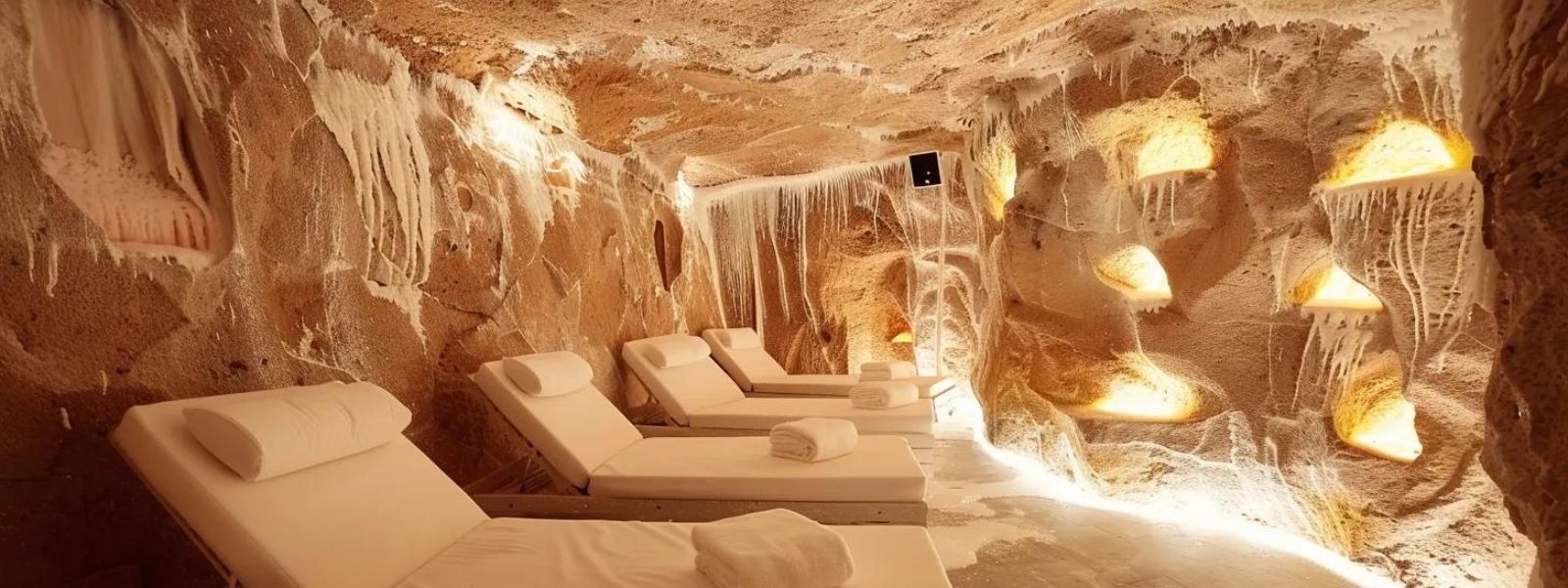
Yes, halotherapy reduces systemic inflammation and stress that affect overall health beyond visible psoriasis symptoms.
Stress reduction occurs through several mechanisms. The quiet environment promotes relaxation. Many patients report feeling calmer after sessions, with effects lasting hours or days.
Inflammation markers decrease systemically after regular halotherapy. Studies measuring C-reactive protein show reductions following treatment courses. This systemic anti-inflammatory effect benefits joint pain, cardiovascular health, and metabolic function.
Sleep quality improves for many patients using halotherapy regularly. Better sleep supports immune function and tissue repair. Exploring complementary approaches like PEMF multi-therapeutic healing mat treatments alongside halotherapy addresses inflammation through additional mechanisms.
How Does Halotherapy Support Long-Term Psoriasis Management?
Halotherapy supports long-term psoriasis management by providing non-pharmaceutical symptom control and reducing medication dependence.
Regular maintenance sessions prevent severe flares by maintaining anti-inflammatory effects. Monthly sessions after completing intensive treatment keep inflammation levels lower. This preventive approach reduces flare-up frequency and severity.
The natural mechanism avoids medication side effects that accumulate with long-term pharmaceutical use. Topical steroids can thin skin with prolonged application. Halotherapy provides symptom control without these concerns.
Quality of life improvements extend beyond physical symptoms. Reduced itching improves sleep and daytime focus. Clearer skin increases confidence in social situations. Building a comprehensive wellness routine that includes halotherapy, proper nutrition, stress management through Access Bars Therapy, and appropriate medical care creates the best foundation for long-term psoriasis control.
What Is the Difference Between Halotherapy and Climatotherapy?
Halotherapy uses man-made salt rooms with halogenerators, while climatotherapy involves traveling to natural salt environments like the Dead Sea. Both approaches deliver therapeutic salt exposure but differ in setting, cost, and accessibility.
Climatotherapy at the Dead Sea combines natural salt water bathing with unique ultraviolet light exposure. The Dead Sea sits 400 meters below sea level, causing atmospheric filtering that reduces harmful UV rays while maintaining therapeutic wavelengths. Patients spend three to four weeks at the Dead Sea, bathing daily in mineral-rich water and exposing skin to sunlight. Studies show 81.5% to 95.5% improvement rates with 48% to 70% achieving complete clearance immediately after treatment.
Halotherapy chambers recreate salt cave conditions in local facilities, making treatment accessible without international travel. The controlled environment allows precise adjustment of temperature, humidity, and salt concentration. Sessions last 30 to 45 minutes compared to weeks-long climatotherapy stays. The convenience and lower cost make halotherapy practical for regular ongoing treatment.
Both methods show clinical efficacy, but accessibility determines which approach suits individual patients. Climatotherapy requires significant time and financial investment, typically costing thousands of dollars including travel and accommodation. Halotherapy provides similar benefits through regular local sessions costing $25 to $65 each. Patients can maintain normal work and family schedules while receiving treatment.
The mineral composition differs between methods. Dead Sea water contains over 20 minerals in concentrated forms, while halotherapy primarily delivers sodium chloride with varying amounts of other minerals depending on salt type. Despite compositional differences, both trigger anti-inflammatory responses and improve skin barrier function effectively.
Does Halotherapy Work for All Types of Psoriasis?
Halotherapy benefits multiple psoriasis types including plaque psoriasis, guttate psoriasis, and scalp psoriasis, though response rates vary. Plaque psoriasis, affecting approximately 80% to 90% of psoriasis patients, responds most consistently to salt therapy based on clinical observations.
Plaque psoriasis creates thick, raised patches covered with silvery scales. Salt particles penetrate these plaques, reducing inflammation and loosening scales. The exfoliation effect works particularly well on elbow, knee, and trunk plaques where salt exposure reaches affected areas easily during sessions.
Guttate psoriasis presents as small, drop-shaped lesions across the body. This type often follows streptococcal infections and affects younger patients more frequently. Salt therapy's antibacterial properties address bacterial triggers while reducing inflammation. The widespread distribution of guttate lesions benefits from full-body salt exposure in therapy chambers.
Scalp psoriasis responds to halotherapy when patients position themselves to expose affected scalp areas. Some facilities offer specialized treatments focusing salt particle flow on the head and face. The challenge involves getting salt particles through hair to reach the scalp surface. Patients with shorter hair or those willing to part hair sections achieve better scalp exposure.
Inverse psoriasis affecting skin folds may benefit from salt therapy's antibacterial effects, though moisture in these areas can complicate treatment. Pustular psoriasis, characterized by white pustules surrounded by red skin, requires medical supervision when combining halotherapy with other treatments. The severe nature of pustular psoriasis necessitates physician oversight for any complementary therapy.
Erythrodermic psoriasis, the most severe form covering large body surface areas, demands aggressive medical treatment as primary therapy. Halotherapy may serve as adjunct therapy only after medical stabilization. Patients with this severe form should consult dermatologists before adding any complementary treatments.
Psoriatic arthritis, affecting approximately 30% of psoriasis patients, may benefit from halotherapy's anti-inflammatory effects on both skin and joints. The systemic inflammation reduction potentially eases joint pain and stiffness alongside skin symptom improvement. However, joint disease requires appropriate medical management regardless of halotherapy benefits.
Can Children With Psoriasis Use Halotherapy Safely?
Children can use halotherapy safely, with many facilities welcoming pediatric patients for various conditions including psoriasis. The natural, non-invasive treatment avoids medication concerns that often worry parents managing childhood chronic conditions.
Pediatric halotherapy sessions typically last 20 to 30 minutes rather than the standard 45 minutes for adults. Shorter sessions accommodate children's attention spans and ensure tolerance development. Many salt rooms provide toys, books, or screens to keep children occupied during treatment. Some facilities design special pediatric rooms with colorful lighting and entertainment options.
Research on children with atopic dermatitis shows improvements after 5 to 7 sessions, suggesting similar response patterns for pediatric psoriasis. The study documented benefits without adverse events, supporting safety in younger populations. Parents report reduced scratching and improved sleep quality in children receiving regular salt therapy.
Age recommendations vary by facility, but most accept children as young as six months. Infants require parental presence during sessions for supervision and comfort. Older children often enjoy the experience once they adjust to the environment. The temperature control prevents overheating concerns in young children.
Parental supervision remains mandatory for children under certain ages, typically 12 to 14 years depending on facility policies. Parents can accompany children in salt rooms without additional charge at most centers. This arrangement benefits both parties when parents also have respiratory or skin conditions.
School-age children with psoriasis often struggle with self-esteem and social acceptance due to visible skin conditions. Successful halotherapy treatment improving skin appearance can significantly impact psychological well-being and social development. The non-pharmaceutical approach also appeals to parents seeking alternatives to long-term medication use in growing children.
Pediatric dosing considerations involve salt concentration and session duration rather than medication calculations. The natural therapy requires no dose adjustments based on body weight, simplifying treatment protocols. Children tolerate the therapy well, with dropout rates lower than many conventional treatments requiring daily topical applications.
How Does Seasonal Change Affect Halotherapy Treatment for Psoriasis?
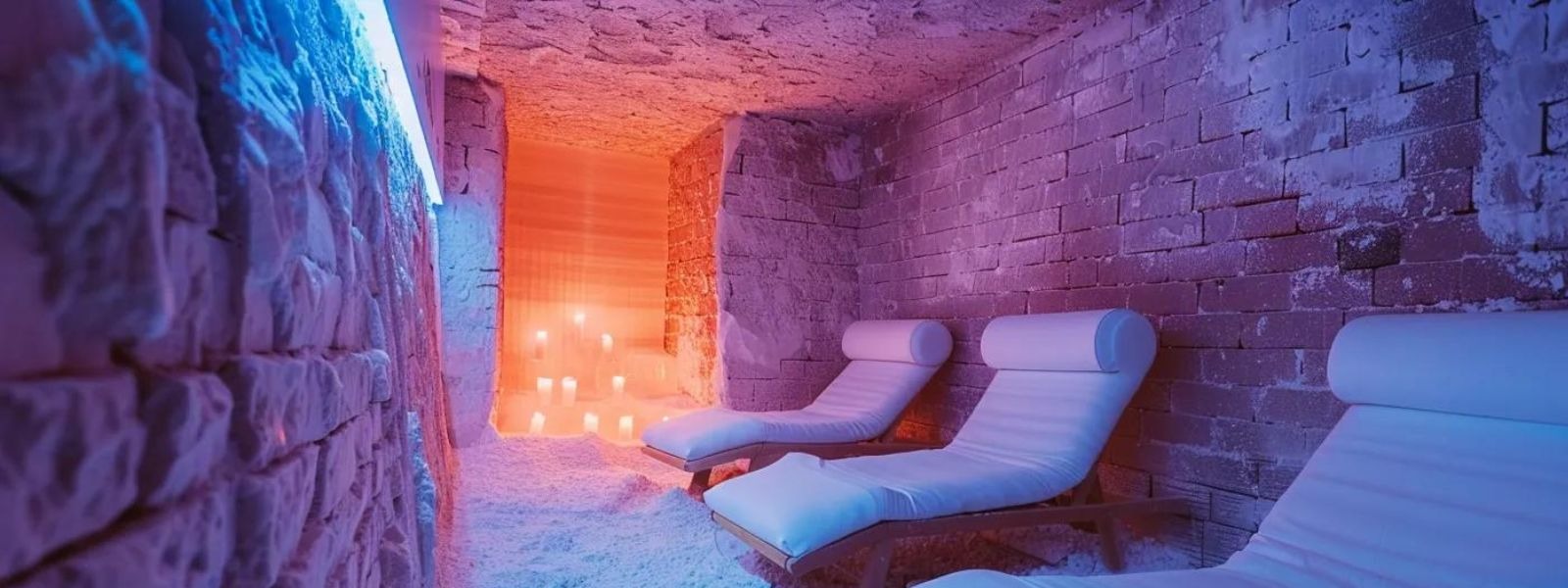
Seasonal changes significantly impact psoriasis severity, with many patients experiencing winter flares and summer improvements. Halotherapy treatment scheduling should account for these seasonal patterns to optimize outcomes.
Winter months typically worsen psoriasis due to low humidity, reduced sunlight exposure, and indoor heating. Cold, dry air strips moisture from skin, compromising barrier function and triggering inflammation. Reduced vitamin D production from limited sun exposure also contributes to winter flares. Patients often increase halotherapy session frequency during winter months to counteract these environmental stressors.
Summer generally improves psoriasis for many patients through increased sun exposure, higher humidity levels, and outdoor activities. Natural ultraviolet light provides phototherapy benefits similar to medical light treatments. Higher ambient moisture helps maintain skin hydration. Some patients reduce halotherapy frequency during summer while maintaining improvement, then resume regular sessions as fall approaches.
Geographic location influences seasonal treatment needs. Patients in consistently dry climates like desert regions may require year-round consistent treatment. Those in humid coastal areas might need seasonal adjustments only. Northern latitudes with long winters necessitate extended intensive treatment periods compared to southern regions.
Holiday stress during winter months compounds physical environmental factors. Stress hormones trigger inflammatory responses that worsen psoriasis independently of environmental conditions. Combining halotherapy with stress management and emotional wellness practices addresses both physical and psychological triggers simultaneously.
Vacation planning around halotherapy schedules helps maintain treatment consistency. Missing multiple consecutive sessions during travel can trigger symptom return requiring treatment course restart. Some patients seek halotherapy facilities near vacation destinations to maintain treatment continuity. Others schedule trips during stable periods after completing intensive treatment phases.
Indoor air quality affects treatment needs throughout the year. Central heating and air conditioning reduce humidity levels, drying skin regardless of outdoor conditions. Using humidifiers at home complements halotherapy by maintaining optimal moisture levels between sessions. Patients living in well-humidified environments often achieve better results with fewer sessions.
What Role Does Hydration Play in Halotherapy Success for Psoriasis?
Proper hydration significantly impacts halotherapy effectiveness for psoriasis by supporting skin barrier function, enhancing mineral absorption, and facilitating toxin elimination. Water intake before, during, and after sessions optimizes treatment outcomes.
Adequate hydration maintains skin moisture from within, complementing salt therapy's external hydration effects. Dehydrated skin loses elasticity and barrier function, making it more susceptible to inflammation and irritation. Drinking sufficient water supports the skin's natural moisture balance and enhances salt mineral absorption through hydrated tissue.
Recommended water intake ranges from 8 to 10 glasses daily for adults with psoriasis, increasing to 10 to 12 glasses on halotherapy treatment days. The additional water helps flush inflammatory toxins released during salt therapy sessions. Some practitioners suggest drinking 16 to 20 ounces of water immediately before sessions to optimize tissue hydration.
Electrolyte balance matters when increasing water intake significantly. Plain water dilutes electrolytes if consumed in extreme amounts without mineral replenishment. Adding natural electrolyte sources like coconut water or mineral-rich broths maintains proper sodium, potassium, and magnesium levels. These minerals support skin health independently of halotherapy benefits.
Caffeine and alcohol consumption counteract hydration efforts through diuretic effects. Limiting these beverages, especially before halotherapy sessions, prevents dehydration that might reduce treatment effectiveness. Patients often notice better results when they reduce caffeine intake and avoid alcohol during intensive treatment periods.
Skin moisture retention improves when internal hydration combines with external moisturizers. Applying moisturizer within three minutes after halotherapy sessions locks in surface moisture and minerals absorbed during treatment. Hyaluronic acid-based products attract and hold water molecules, amplifying hydration effects. Products free from fragrances and harsh chemicals prevent irritation of sensitive psoriatic skin.
Monitoring urine color provides simple hydration assessment. Pale yellow indicates adequate hydration, while dark yellow or amber suggests insufficient water intake. Adjusting intake based on this visual feedback helps maintain optimal hydration without complex tracking systems.
Frequently Asked Questions
How Quickly Does Halotherapy Start Working for Psoriasis?
Most patients notice initial improvements within 5 to 7 sessions, typically over 2 to 3 weeks. Itching reduction often appears first, followed by decreased redness and softer skin texture. Significant plaque reduction requires 10 to 15 sessions for most patients. Individual response timing varies based on psoriasis severity, overall health, and treatment consistency.
Can Halotherapy Completely Cure Psoriasis?
No, halotherapy cannot cure psoriasis because psoriasis is a chronic autoimmune condition without a cure. Salt therapy manages symptoms and extends remission periods but does not eliminate the underlying immune dysfunction. Benefits typically last 6 to 12 months after completing treatment courses, requiring maintenance sessions to sustain improvements. Patients should view halotherapy as symptom management rather than curative treatment.
Is Halotherapy Safe During Pregnancy for Psoriasis Patients?
Yes, halotherapy is generally safe during pregnancy because it involves no medications or invasive procedures. Pregnant women with psoriasis often seek alternative treatments to avoid pharmaceutical risks. Salt therapy provides natural symptom relief without systemic medication exposure. However, pregnant women should consult their obstetrician before starting any new treatment, including halotherapy, to address individual health considerations.
How Much Does a Complete Halotherapy Treatment Course Cost?
A complete halotherapy course typically costs $250 to $650 depending on session frequency and facility pricing. Treatment protocols recommend 10 to 15 sessions for initial intensive treatment. Individual session costs range from $25 to $65, with package deals reducing per-session prices. Monthly unlimited memberships costing $100 to $200 suit patients requiring frequent ongoing treatment. Insurance rarely covers halotherapy because insurers classify it as alternative medicine.
Can You Do Halotherapy While Taking Psoriasis Medications?
Yes, patients can safely combine halotherapy with most psoriasis medications including topical steroids, vitamin D analogs, and biologics. Salt therapy works through different mechanisms than pharmaceuticals, providing complementary rather than conflicting effects. Some patients gradually reduce medication doses under medical supervision as symptoms improve with combined treatment. Never discontinue prescribed medications without consulting your dermatologist, even if halotherapy produces significant improvements.
Final Thoughts
Halotherapy provides a safe, natural complementary treatment for psoriasis that reduces inflammation, kills bacteria, and improves skin barrier function. Clinical evidence supports its use alongside conventional medical therapies for managing symptoms and extending remission periods.
The treatment works best as part of a comprehensive wellness approach combining proper nutrition, stress management, adequate sleep, and prescribed medications. Benefits typically appear within 5 to 7 sessions and can last 6 to 12 months with proper maintenance. Individual responses vary based on psoriasis severity, overall health status, and treatment consistency.
Patients should seek professional salt therapy centers with proper equipment rather than relying solely on home methods. Medical-grade halogenerators produce optimal particle sizes that home treatments cannot replicate. The controlled environment in professional facilities ensures consistent therapeutic effects across sessions.
Consult your dermatologist before starting halotherapy and maintain regular medical follow-ups throughout treatment. Track your progress through weekly photographs and symptom journals to measure effectiveness objectively. This documentation helps both you and your healthcare providers make informed decisions about continuing or adjusting treatment protocols.
The natural, non-invasive nature of halotherapy makes it suitable for long-term use without concerns about side effects that limit pharmaceutical options. The therapy addresses multiple aspects of psoriasis including inflammation, bacterial colonization, skin barrier dysfunction, and even stress that triggers flares. Combined with healthy lifestyle practices and appropriate medical care, halotherapy offers a valuable tool for improving quality of life while managing this chronic condition.
Read our recent Blogs
Quantum Healing and Wellness PMA in Westchester NY is commited to wellness conent for you









.avif)
.png)

.png)