


.avif)



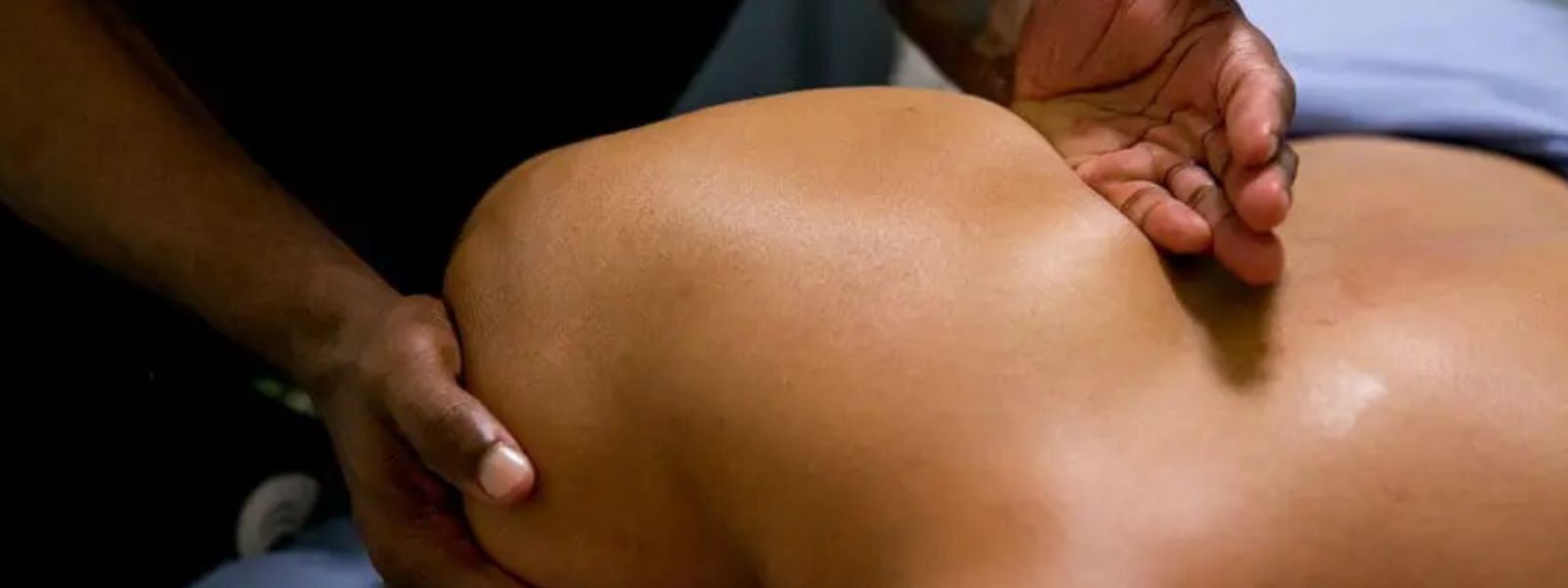
Massage can be safe on blood thinners with doctor approval and only light, gentle techniques like Swedish or lymphatic work. Deep tissue, sports massage and cupping are unsafe due to bruising and bleeding risks. Watch for unusual bruising and seek care if symptoms appear.
Yes, massage is safe while taking blood thinners, but only with light to medium pressure and proper medical clearance. Deep tissue massage causes bruising and internal bleeding because blood thinners slow the clotting process. Most people can receive gentle massage techniques after getting approval from their doctor.
What Are Blood Thinners and How Do They Work
Blood thinners are medications that slow blood clot formation in the body. These drugs do not actually thin blood like water does. Instead, they prevent platelets from clumping together to form dangerous clots.
The medications work by interfering with the body's natural clotting cascade, which normally helps stop bleeding from injuries.
Types of Blood Thinner Medications
Doctors prescribe several types of anticoagulant medications. Warfarin (Coumadin) has been used for decades and requires regular blood monitoring. Newer medications include apixaban (Eliquis), rivaroxaban (Xarelto), dabigatran (Pradaxa), and edoxaban (Savaysa).
Some people also take antiplatelet drugs like aspirin or clopidogrel (Plavix), which work differently but still affect clotting.
Medical Conditions Requiring Blood Thinners
Medical conditions that require blood thinners include atrial fibrillation, which is an irregular heartbeat that can lead to stroke. Deep vein thrombosis occurs when blood clots form in leg veins. Pulmonary embolism happens when clots travel to the lungs.
Doctors also prescribe these medications for heart valve disease, stroke prevention, and after heart attacks. According to the National Blood Clot Alliance, over 8 million Americans currently take blood thinner medications.
How Blood Thinners Affect Your Body
Blood thinners affect how your body responds to injury. When small blood vessels break under your skin, they normally seal quickly through clotting. Blood thinners slow this process significantly, making broken blood vessels leak longer.
Small bumps create larger bruises because blood pools under the skin. The British Heart Foundation notes that bruising happens more easily because broken capillaries take longer to stop leaking.
Why Blood Thinners and Massage Create Safety Concerns
Massage pressure breaks small blood vessels under the skin, and blood thinners prevent quick clotting. This combination creates two main medical risks that healthcare providers worry about.
The first risk involves visible bruising that can become quite extensive. The second risk involves internal bleeding that you cannot see at first but can become serious.
Surface Bruising From Massage
Pressure from massage techniques breaks capillaries and small veins under the skin. Blood leaks from these broken vessels and pools in surrounding tissue.
In people not taking blood thinners, this blood clots quickly and stops the leak within minutes. Blood thinners slow this clotting process substantially, allowing blood to continue leaking and creating larger, darker bruises that can last for weeks.
Internal Bleeding Risks
Internal bleeding represents a more serious concern than surface bruising. This type of bleeding happens when blood leaks inside the body from damaged vessels in deep tissues and muscles. You cannot see internal bleeding when it first starts.
The Cleveland Clinic reports that bleeding is the most common side effect of anticoagulant medications. Research shows that more than half of emergency room visits for people on blood thinners involve bleeding complications, many from seemingly minor injuries.
How Massage Techniques Affect Blood Vessels
Massage therapists apply pressure through several manual techniques. Kneading pushes tissue against underlying bone structures. Friction strokes create heat and put stress on blood vessel walls.
Compression techniques squeeze blood vessels between the therapist's hands and deeper body structures. Deep tissue strokes reach muscle layers far below the skin surface.
Each of these techniques can damage fragile blood vessels in people taking anticoagulant medications, which is why massage therapy requires special modifications for these clients.
When Can You Safely Get a Massage
Gentle massage becomes possible with proper precautions and written approval from your doctor. Your safety depends on multiple factors including your medication dose, how long you have taken it, your personal bruising history, and whether you have had any recent blood clots.
Each person's situation differs, so individual medical guidance matters more than general advice.
Situations Where Massage May Be Appropriate
Massage may be appropriate if your doctor provides written clearance specifically for bodywork. You should have taken blood thinners for several months with a stable dose that is not changing frequently.
Your medication should not cause excessive bruising from normal daily activities. You must have no recent history of blood clots, particularly within the past six months. Your blood test results, if applicable, should show therapeutic but not excessive anticoagulation levels.
When to Avoid Massage Completely
Several situations make massage completely inappropriate regardless of how gentle the technique might be. Recent blood clots within the past six months create significant danger because massage can dislodge them.
Multiple blood clot history indicates higher risk of new clot formation. Very high medication doses increase bleeding risk substantially. Easy bruising from minor contact suggests your blood vessels are already fragile.
Active deep vein thrombosis means blood clots currently exist in your veins. Lack of doctor approval leaves you without professional medical guidance about your specific risks.
The Danger of Dislodging Blood Clots
The danger of dislodging existing blood clots represents the most serious concern. Massage increases circulation and can cause clots to break free from vessel walls.
These freed clots can travel through your bloodstream to your lungs, causing pulmonary embolism. They can reach your heart, causing heart attack. They can lodge in brain vessels, causing stroke.
According to Mayo Clinic research, massage is contraindicated for anyone with active thrombosis until medical professionals confirm the clot has resolved or stabilized.
Preparing for Your First Massage Consultation

Talk to your doctor before booking any massage appointment. Your physician understands your complete medical history, your current medication regimen, and your individual bleeding risk factors.
This conversation should happen at least a few weeks before you plan to schedule massage, giving you time to get any necessary documentation.
Questions to Ask Your Doctor
Ask your doctor these specific questions during your appointment. Can you safely receive gentle massage given your current medication dose? Which body areas should the massage therapist avoid completely?
What warning signs would indicate problems either during or after the massage? Do you need a formal medical clearance letter on office letterhead? How often can you safely schedule massage sessions without excessive cumulative risk?
Information to Share With Your Therapist
Your massage therapist needs complete information about your health status. Tell them the exact name of your blood thinner medication and the dose you take daily. Explain how long you have been taking the medication and whether the dose has changed recently.
Mention any recent bruising or bleeding issues you have experienced. List all your other medical conditions, particularly heart problems or vascular disease. Describe any recent injuries or surgeries that might affect which body areas are safe to touch.
Completing Health Intake Forms
Many massage clinics require new clients to complete detailed health intake forms before the first session. These forms ask about medications, surgeries, injuries, and medical conditions.
Complete these forms honestly and thoroughly rather than leaving sections blank. If you are unsure how to answer any question, write "ask me" so the therapist knows to discuss that topic with you.
Some therapists may refuse treatment without proper documentation if they see blood thinners listed on your intake form, which protects both you and them legally.
Getting Medical Clearance Letters
Medical clearance documentation sometimes becomes necessary. Some massage therapists require a formal letter from your doctor confirming that gentle massage is appropriate for you.
This letter should specify which massage types are approved, such as light Swedish massage only. The letter should list body areas to avoid, such as legs if you have had deep vein thrombosis.
Your doctor should note acceptable pressure levels, typically light to medium only. The letter might include special precautions like limiting session length or frequency. Having this documentation protects you medically and legally while giving your therapist clear guidelines to follow.
Which Massage Techniques Work Safely
Swedish massage with light pressure represents the safest option for people taking blood thinners. This classic massage style uses gentle, flowing strokes across muscle surfaces without digging into deep tissue layers.
Therapists apply light to medium pressure that feels comfortable and relaxing. The technique includes effleurage, which consists of long gliding strokes that follow muscle fiber direction.
Gentle rocking motions help muscles release tension without aggressive manipulation. This approach provides stress relief and mild muscle tension reduction without creating significant bleeding risk.
Lymphatic Drainage Massage
Lymphatic drainage massage uses feather-light pressure to move fluid through your lymphatic system. This specialized technique involves extremely gentle touch that barely indents the skin surface.
The therapist uses circular motions and light pumping actions rather than deep pressure. Because the touch is so minimal, this massage type creates almost no blood vessel stress. Bruising rarely occurs with proper lymphatic drainage technique.
This option works well for reducing swelling and promoting relaxation without safety concerns related to anticoagulation.
Reflexology for Safe Pressure Point Work
Reflexology focuses on pressure points in your feet and hands rather than working on large body areas. Therapists apply controlled pressure to specific zones believed to correspond with different body systems.
The limited treatment area means less overall stress on your circulatory system. Sessions typically last 30 to 45 minutes and feel relaxing rather than intense. The focused nature of reflexology makes it easier to control pressure levels and avoid complications.
Many people on blood thinners find this technique provides benefits without worry.
Massage Techniques to Avoid
Deep tissue massage must be completely avoided by anyone taking anticoagulant medications. This intensive technique uses sustained pressure on deep muscle layers and connective tissue. The therapist applies body weight through forearms, knuckles, and elbows to reach restricted areas.
This aggressive approach breaks blood vessels and causes significant bruising even in people with normal clotting function. For someone on blood thinners, deep tissue work can cause dangerous internal bleeding that requires emergency medical care.
Why Sports Massage Is Too Intense
Sports massage combines deep pressure with rapid movements designed to enhance athletic performance. This vigorous approach often includes cross-fiber friction, deep compression, and stretching that puts significant stress on blood vessels.
The intensity level is too high for people taking anticoagulants. Trigger point therapy applies focused, sustained pressure to specific spots in muscles where knots have formed. This concentrated force creates bleeding risk at the pressure site.
Thai massage includes forceful stretching and compression using the therapist's body weight. The dynamic, sometimes aggressive nature of Thai techniques makes them inappropriate for blood thinner users.
The Problem With Cupping Therapy
Cupping therapy creates suction on skin surface by placing cups that draw blood toward the skin. This technique intentionally causes bruising and petechiae as part of the treatment approach.
For someone on blood thinners, cupping creates excessive bruising and potential internal bleeding. The American Massage Therapy Association notes that cupping is generally contraindicated for patients taking blood-thinning medications due to significantly increased bruising risk.
What Happens During a Safe Massage Session
Your massage therapist should use light to medium pressure throughout the entire session. This pressure should feel comfortable, relaxing, and never painful or concerning.
Sessions typically last 30 to 60 minutes rather than the 90-minute sessions some spas offer. The shorter duration reduces total stress time on your circulatory system while still providing relaxation and mild therapeutic benefits.
Understanding Appropriate Pressure Levels
Light to medium pressure feels like gentle contact that moves muscles without forcing them. Your therapist should frequently check about pressure comfort by asking how the touch feels.
You should never feel pain or significant discomfort during any part of the massage. Speak up immediately if pressure feels too strong, if any area causes pain, if you notice unusual sensations like tingling or numbness, or if you feel concerned about any technique the therapist uses.
A qualified therapist will appreciate your communication and adjust their approach accordingly.
Safe Body Areas for Treatment
Safe body areas for massage include your shoulders and upper back, which contain large muscle groups that tolerate gentle pressure well. Arms can receive massage if you do not bruise easily in these areas.
Hands and feet work well for focused massage because the bones protect underlying structures. Your neck can receive very gentle pressure only, avoiding any aggressive manipulation. These areas typically create minimal complications when proper pressure is used.
Areas That Require Caution
Body areas requiring caution or complete avoidance include legs, which need special consideration if you have any history of deep vein thrombosis. The back of your neck requires caution if you have any carotid artery disease or thickening.
Areas with existing bruises should be completely avoided until they heal fully. Recent injury sites need several weeks of healing time before massage becomes appropriate. Previous blood clot locations should be avoided permanently unless your doctor specifically clears them for treatment.
Optimal Session Length
Session length affects your safety because extended pressure time increases cumulative stress on blood vessels. Sessions lasting 30 to 60 minutes provide therapeutic benefits without excessive exposure to vessel damage risk.
Shorter sessions reduce total pressure time on your circulatory system and allow your body to respond to any minor vessel breaks. You can still experience significant relaxation and mild muscle relief in a half-hour to hour-long session.
Many massage therapists recommend starting with 30-minute sessions for the first few appointments to assess how your body responds.
Recognizing Warning Signs After Massage
Watch for unusual bruising, bleeding that will not stop, severe pain, dizziness, or weakness after your massage session. These symptoms indicate potential complications that require immediate medical attention.
Most people experience only normal post-massage sensations, but blood thinner users need extra vigilance about signs of excessive bleeding.
Normal Post-Massage Sensations
Normal post-massage feelings include relaxation and calmness that can last for hours or even days. Mild sleepiness is common because massage activates your parasympathetic nervous system.
Light muscle soreness similar to post-exercise discomfort may appear the next day, particularly if the therapist worked areas with significant tension. Increased thirst occurs because massage moves fluid through your tissues. These normal sensations disappear within 24 hours and require no medical intervention.
Emergency Warning Signs
Emergency warning signs require immediate doctor contact. Large bruises that appear suddenly and were not present immediately after massage suggest delayed bleeding.
Bleeding from your gums or nose that continues for more than five minutes indicates excessive anticoagulation. Blood in your urine makes it appear pink, red, or brown. Blood in stool appears as bright red blood or makes stool look black and tarry.
Severe headache that differs from your typical headaches might indicate bleeding in your brain. Severe stomach pain could mean bleeding in your digestive system. Extreme dizziness or confusion suggests significant blood loss. Vomiting blood or material that looks like coffee grounds indicates gastric bleeding.
When to Contact Your Doctor
The British Heart Foundation advises that you should contact your doctor if bruising seems excessive compared to the treatment you received, if bruises appear in multiple areas you cannot remember being touched, or if bruising is accompanied by other bleeding symptoms.
According to the Agency for Healthcare Research and Quality, bleeding complications from anticoagulants require immediate medical evaluation because they can rapidly become life-threatening.
Safe Alternatives to Traditional Massage

Several alternative therapies at Quantum Healing & Wellness offer relaxation without physical pressure. These treatments create no bleeding risk while still addressing stress management and promoting overall wellness.
Energy-based and technology-assisted therapies provide options when traditional massage carries too much risk.
Reiki Energy Healing
Reiki energy healing involves no physical touching or pressure application. Practitioners hold their hands several inches above your body to balance energy flow.
This gentle approach carries absolutely zero bruising risk for people on anticoagulant medications. Many people report feeling deep relaxation, reduced anxiety, and improved emotional balance after Reiki sessions. The complete absence of physical manipulation makes Reiki appropriate for anyone regardless of medication or health status.
Access Bars Therapy
Access Bars therapy involves light touching of specific points on your head. The gentle contact releases stored stress patterns without creating any tissue damage.
Practitioners use minimal pressure, just enough to maintain contact with each point. This technique focuses on mental and emotional release rather than physical manipulation. The extremely light touch poses no bleeding risk while still providing therapeutic benefits for stress reduction and mental clarity.
BrainTap Technology
BrainTap technology uses light and sound frequencies to guide your brain into deep relaxation states. You wear special headphones and eyewear that deliver precisely calibrated stimulation.
No physical contact occurs during treatment, eliminating any bleeding concern. The technology works by entraining your brainwaves to relaxation frequencies. Sessions typically last 15 to 30 minutes and leave you feeling refreshed and mentally clear without any safety risks.
Infrared Sauna Therapy
Infrared sauna therapy reduces pain through deep heat penetration without touching or manipulating tissue. The infrared light waves warm your body from the inside, promoting circulation and muscle relaxation.
You simply sit in the sauna environment while the heat does its work. This completely hands-off approach makes infrared sauna perfectly safe for people taking blood thinners. The therapy helps with pain management while avoiding any physical contact that could cause bleeding.
Managing Massage Frequency and Long-Term Safety
Schedule massage sessions every 2 to 4 weeks to allow adequate recovery between treatments. This spacing gives your blood vessels time to heal from any microscopic damage that occurred during the previous session. More frequent sessions create cumulative stress on your circulatory system without allowing proper recovery time.
Your body needs recovery time after each massage because even gentle pressure causes some degree of blood vessel disruption at the microscopic level. Wait at least 14 days between massage appointments. Monthly maintenance provides stress relief benefits while minimizing accumulated bleeding risk over time. Some people find that sessions every three weeks strike the right balance between benefit and safety.
Contact your doctor again for updated clearance if your medication dose changes up or down, if you begin bruising more easily than you did when you first got clearance, if you develop new health problems that affect your cardiovascular system, or if one year has passed since your last medical evaluation. Your bleeding risk changes over time as your health status changes, so periodic medical review keeps you safe.
Some people wonder whether they need doctor permission for absolutely every massage appointment. You typically need initial clearance only, which remains valid as long as your health status and medications remain stable. However, any significant change in your medical situation requires a new evaluation before continuing massage therapy. Your doctor may want to see you more frequently if you take warfarin, which requires regular monitoring through INR blood tests.
Daily Safety Precautions for Blood Thinner Users
People taking anticoagulant medications should use electric razors instead of traditional blades to prevent nicks that bleed excessively. Soft toothbrushes protect your gums from trauma that causes prolonged bleeding. Protective gloves during activities like gardening or cooking with sharp knives prevent cuts that become difficult to control. These simple modifications reduce your daily bleeding risk significantly.
Safe activities for people on blood thinners include walking, which provides cardiovascular benefits without impact or fall risk. Swimming offers full-body exercise in a cushioned environment where injuries are less likely. Gentle yoga improves flexibility and balance but should avoid poses that compress blood vessels or create fall risk. Stationary cycling provides aerobic conditioning while keeping you stable and supported. The Agency for Healthcare Research and Quality notes that swimming and walking are among the safest activities for people taking blood thinners.
Avoid contact sports where you might get hit or experience significant impact. Activities with high fall risk like skiing, ice skating, or ladder climbing create danger of serious bleeding from traumatic injury. Situations where you might bump into objects or people increase your bruising risk. Choose activities that keep you relatively protected from impacts and falls while still allowing you to stay active and healthy.
Home massage devices can be safe if used correctly on the lowest pressure setting. Limit sessions to 10 to 15 minutes to reduce cumulative pressure exposure. Avoid targeting bony areas where tissues are thin and vessels are close to the surface. Stop immediately if you feel any pain or notice redness that could indicate vessel damage. Check with your doctor before using any massage device at home to confirm that your specific situation allows this type of self-care.
Understanding Your Individual Risk Level
Each person taking blood thinners has a different level of bleeding risk based on multiple factors. Your specific medication type affects risk because some anticoagulants create more bleeding complications than others. Warfarin requires careful monitoring through INR tests, with higher INR values indicating greater bleeding risk. Newer medications like apixaban and rivaroxaban have more predictable effects but still vary between individuals.
Your medication dose directly correlates with bleeding risk, as higher doses create more anticoagulation and slower clotting. How long you have taken the medication matters because your body may adapt somewhat over time. Your age affects risk because older adults often have more fragile blood vessels. Your weight influences drug effects because dosing sometimes needs adjustment for very small or large body sizes. Other medical conditions you have, particularly kidney disease or liver disease, can increase bleeding risk significantly.
Some people bruise very easily even with minimal contact, suggesting fragile blood vessels. Others take the same medication dose but rarely see bruising from normal activities. This individual variation means that general advice cannot replace personalized medical guidance. Your doctor uses your personal history and current health status to assess your specific risk level and make appropriate recommendations about massage safety.
Working With Qualified Massage Therapists
Find massage therapists who have experience working with clients on anticoagulant medications. Ask potential therapists directly whether they have treated blood thinner users before. Qualified therapists understand the risks and know how to modify techniques appropriately. They should ask detailed health questions during intake and show clear knowledge of contraindications.
Professional massage therapists carry liability insurance that may include specific clauses about treating clients with medical conditions. Some therapists may request medical clearance documentation to protect themselves legally. This requirement protects both you and the therapist by creating a written record of medical approval. Do not feel offended if a therapist asks for documentation or declines to treat you without it.
Communication during treatment helps prevent complications. Tell your therapist immediately if anything feels uncomfortable or concerning. Ask questions about what techniques they plan to use and why. Request modifications if certain approaches worry you. A good therapeutic relationship involves open dialogue where you feel comfortable speaking up about your needs and concerns.
Frequently Asked Questions
Can You Get Deep Tissue Massage While on Blood Thinners?
No, deep tissue massage is completely unsafe for people taking anticoagulant medications. The intense pressure breaks blood vessels and causes dangerous internal bleeding that can require emergency medical care.
Do You Need Doctor Permission for Every Massage Session?
You need initial medical clearance that remains valid as long as your health and medications stay stable. Contact your doctor again if your medication dose changes, you bruise more easily, or you develop new health problems.
What Should You do if Bruising Appears After Massage?
Apply ice for 15 minutes to reduce swelling. Small bruises sometimes occur even with gentle pressure. Call your doctor if the bruise grows larger, causes severe pain, or does not fade within one week.
Are Massage Chairs Safe for People on Blood Thinners?
Massage chairs work safely on the lowest pressure setting for short periods under 15 minutes. Avoid settings that target specific areas with intense pressure. Check with your doctor before using any home massage device.
How Long Should You Wait Between Massage Sessions?
Wait at least 14 days between massage appointments to allow blood vessels time to heal. Monthly sessions provide benefits while minimizing cumulative bleeding risk over time.
Final Thoughts
Massage therapy offers genuine benefits for people taking blood thinners when proper safety protocols guide treatment. Light pressure techniques, medical clearance, and experienced therapists make gentle massage accessible rather than completely prohibited.
Deep tissue work and aggressive techniques remain completely inappropriate regardless of circumstances. However, gentler modalities provide safe relaxation options that help manage stress and mild muscle tension.
Quantum Healing & Wellness specializes in creating individualized treatment plans for clients with complex health needs. Our therapists receive training in medication interactions and understand how to work safely with people taking anticoagulants.
We coordinate care with your medical providers to maintain optimal safety while helping you achieve your wellness goals. Beyond traditional massage, we offer completely pressure-free alternatives like Reiki and Access Bars that provide therapeutic benefits without any bleeding risk whatsoever.
Contact our clinic to discuss which wellness options match your specific health situation and medication regimen. Every treatment decision we make prioritizes your safety while working to improve your quality of life.
We believe that taking blood thinners should not completely prevent you from experiencing therapeutic touch and stress relief. With proper precautions and professional guidance, you can safely enjoy many forms of bodywork and energy therapy.
Your medical team wants you to live fully while managing your health conditions effectively. Massage and related therapies can be part of your wellness routine when approached with appropriate caution and medical oversight.
The key lies in choosing gentle techniques, working with knowledgeable practitioners, and maintaining open communication with all your healthcare providers about your treatment plans.
Read our recent Blogs
Quantum Healing and Wellness PMA in Westchester NY is commited to wellness conent for you








.avif)
.png)

.png)