


.avif)



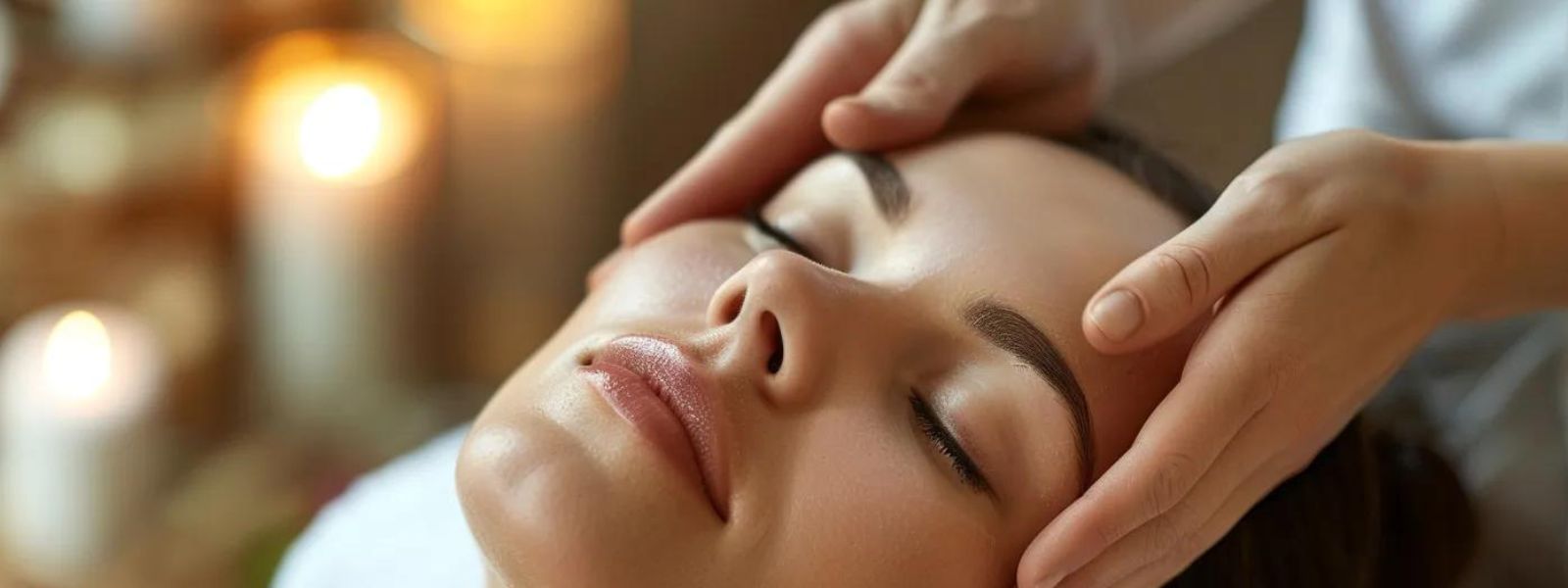
Massage may ease depression symptoms by lowering cortisol and boosting serotonin and dopamine which can lift mood, support better sleep, and calm the nervous system. It also releases muscle tension and stress. Use massage alongside therapy or medical care; weekly sessions can build benefits over time. It may improve coping.too.
Massage and depression relief are connected through the body’s natural stress and mood response systems. Massage can lower cortisol levels while increasing serotonin and dopamine, which support improved mood and emotional balance. It also promotes relaxation, better sleep, and reduced muscle tension, all of which can help ease depressive symptoms when used alongside professional care.
Depression affects nearly 1 in 4 people at some point in their life. It's more than just feeling sad. It drains your energy, disrupts your sleep, and makes your body feel heavy and tired. While talk therapy and medication help many people, massage therapy offers another path to relief that works on both your mind and body at the same time.
How Massage Therapy Works for Depression
The Science Behind Touch and Mood
Your body responds to massage in powerful ways. When a massage therapist works on your muscles, your body goes through important changes:
Stress Hormone Reduction Research from the International Journal of Neuroscience found that massage lowers cortisol levels in your body by an average of 31%. Cortisol is your main stress hormone. High cortisol over time can make depression worse. Lower cortisol means less stress and better mood balance.
Feel-Good Chemical Boost The same studies showed massage increases serotonin by 28% and dopamine by 31%. These are your brain's natural "happy chemicals." Many depression medications work by changing how these chemicals function in your brain. Massage helps your body make more of them naturally.
Better Sleep Quality Depression often comes with sleep problems. Massage helps you relax deeply and sleep better. Better sleep means better mood the next day.
What Happens in Your Body During Massage
When you get a massage, several helpful things happen:
- Your nervous system calms down
- Blood flow increases throughout your body
- Tight muscles finally relax
- Your heart rate slows to a peaceful pace
- Breathing becomes deeper and easier
According to a 2010 meta-analysis published in The Journal of Clinical Psychiatry, 17 research studies with 786 people showed that massage significantly reduced depression symptoms. The effects were similar to what people get from regular psychotherapy sessions.
Physical and Emotional Benefits of Massage for Depression
Mental Health Improvements
Many people notice their mood lifts right after a massage. This isn't just temporary relaxation. With regular sessions, mood improvements last longer. Depression and anxiety often appear together. Studies show that 83% of massage research found significant reductions in anxiety levels. The calm feeling you get from massage helps quiet worried thoughts.
Depression often makes thinking harder. Massage helps clear the mental fog many people describe. Sometimes holding tension in your body keeps difficult emotions stuck. Massage can help release those feelings in a safe, supportive space.
Physical Relief from Depression Symptoms
Depression isn't just in your head. It shows up in your body too. You might experience muscle aches and tension, especially in the neck and shoulders. Back pain that won't go away is common. Many people feel sluggish or heavy all over, with headaches that come and go.
Massage therapy addresses these physical symptoms directly. When your body feels better, your mind often follows.
Best Types of Massage for Depression Relief
Swedish Massage
This is the most common type and a great starting point if you're new to massage. Swedish massage uses long, smooth strokes and gentle kneading of muscles with light to medium pressure focused on full-body relaxation.
Swedish massage is perfect for general stress relief and relaxation. It's gentle enough if you're feeling fragile but effective enough to make real changes.
Aromatherapy Massage
This combines massage with healing plant oils that affect your mood. Common oils include lavender for relaxation, bergamot for uplifting mood, chamomile for calming anxiety, and rosemary for mental clarity.
The combination of touch and scent works on multiple levels. A 2022 study on aromatherapy massage found significant reductions in both anxiety and depression scores in elderly adults.
Deep Tissue Massage
This uses stronger pressure to reach deeper muscle layers. It involves slow, firm strokes with focus on problem areas and chronic tension. It's more intense than Swedish massage.
If depression has made your body tight and painful, deep tissue work can provide lasting relief. Just remember to communicate with your therapist about pressure levels.
Reflexology
This focuses on pressure points in your feet, hands, and ears. It uses gentle to firm pressure on specific points, with each point connecting to body organs and systems. No oils or full undressing needed, and it can be done while sitting.
A 2006 study found that self-foot reflexology reduced depression and stress significantly. This is a good option if you're not comfortable with full-body massage yet.
Hot Stone Massage
Heated stones are placed on your body and used during massage. The treatment uses smooth, warm stones on key body points with Swedish massage techniques. Deep relaxation comes from the heat in sessions that usually last 90 minutes.
The warmth helps tight muscles release faster. Many people find the heat deeply comforting, especially if depression makes you feel cold or disconnected from your body.
How Often Should You Get Massage for Depression?
Starting Out
Most research studies used twice-weekly sessions for the first several weeks. This frequency gave people the best results. Research shows women with depression who received weekly massage for 12 weeks showed significant improvement in depression scores.
Long-Term Maintenance
After you start feeling better, many people move to once weekly sessions for ongoing support, every two weeks for maintenance, or monthly sessions to prevent relapse. The key is consistency. One massage is relaxing, but regular sessions create lasting change.
What Research Shows
Studies that worked best used sessions lasting 20-60 minutes with at least twice weekly visits. Treatment periods of 5-12 weeks with consistent scheduling showed the most improvement.
Combining Massage with Other Depression Treatments
Working with Your Mental Health Team
Massage therapy works best alongside other treatments. It's not meant to replace therapy or medication but to support them.
Massage Plus Psychotherapy Research shows this combination works better than therapy alone. In one study, pregnant women with depression who received both psychotherapy and weekly massage had significantly better outcomes than those who only received psychotherapy.
Massage Plus Medication Massage doesn't interfere with depression medications. Many people find massage helps them feel more benefits from their medications.
Massage Plus Other Therapies At Quantum Healing & Wellness, massage combines well with BrainTap for mental clarity and Reiki for energy balance.
Building Your Complete Wellness Plan
Think of depression treatment like a puzzle. Each piece matters. You need professional mental health care like therapy and medication, body-based treatments like massage and movement, lifestyle changes including sleep and nutrition, social support from friends and family, and stress management techniques like meditation and breathing exercises.
Massage fits into this bigger picture. It supports mental health and cognitive function by addressing both mind and body needs.
What to Expect During Your First Massage

Before Your Session
Talk to your therapist about your depression and any symptoms, areas where you hold tension, and any medications you take. You can keep underwear on or fully undress, and you can ask for light or deeper pressure based on your comfort level.
During the Massage
Good massage therapists want you to feel comfortable. Speak up if pressure is too light or too strong, you're getting cold, or something hurts. Some people cry during massage, and this isn't bad. Sometimes releasing physical tension releases emotional tension too. Your therapist has seen this before and will support you.
After Your Session
You might feel deeply relaxed and maybe sleepy right after your massage. Many people feel lighter, like a weight lifted. You might feel thirsty, so drink extra water. Some people feel a bit emotional or sensitive after treatment.
After massage, drink plenty of water and rest if you can. Avoid rushing back to stressful activities. Take a warm bath with Epsom salts and go to bed early to help your body integrate the healing work.
Special Considerations for Different Situations
Massage During Pregnancy
Depression affects up to 20% of pregnant women. Prenatal massage shows strong benefits for pregnancy depression. Research found that pregnant women with major depression who received partner massage twice weekly had lower depression scores, reduced anxiety, and lower rates of premature birth.
Massage for Trauma Survivors
If your depression stems from trauma, body-based therapies can help but need special care. Find a trauma-informed massage therapist and go slowly at your own pace. You're always in control. According to a 2020 review, massage had the strongest evidence among body-based therapies for helping trauma survivors.
Self-Massage Options
You don't always need to pay for professional massage. Self-massage offers benefits too. You can rub your temples in gentle circles or massage your scalp with fingertips. Work on tight shoulders and neck, or use a tennis ball on your back against a wall. Massaging your feet before bed can help you sleep better.
A study on self-foot reflexology found it significantly reduced depression and stress.
Understanding the Mind-Body Connection
Why Touch Matters for Mental Health
Humans need touch. It's not just nice - it's necessary. Touch activates your calming nervous system and releases bonding hormones like oxytocin. It helps you feel connected to your body and provides comfort without words.
Depression often makes people feel disconnected from their bodies. Massage helps rebuild that connection.
The Role of Chronic Stress
Depression and chronic stress feed each other. High cortisol from stress makes depression worse. Depression causes more stress. Massage breaks this cycle. Research shows that people with depression symptoms are more likely to seek complementary treatments like massage - and for good reason.
How Regular Sessions Create Change
One massage feels good. Regular massage creates lasting improvements. Here's why:
Week 1-2: You feel immediate relaxation and stress relief Week 3-4: Sleep improves, mood becomes more stable Week 5-8: Physical symptoms ease, mental clarity increases Week 9-12: Depression symptoms show measurable improvement
Finding the Right Massage Therapist
What to Look For
Choose a licensed massage therapist who completed accredited training and has valid state licensing. Look for someone with experience working with mental health concerns and good communication skills who listens to your concerns and respects your boundaries.
Questions to Ask
Before booking:
- What's your experience with clients who have depression?
- What type of massage do you recommend for my situation?
- How long are sessions?
- What should I expect during and after?
- Do you work with mental health professionals?
Cost and Insurance Considerations
Typical Pricing
Massage costs vary by location and length. A 30-minute session typically costs $40-$75, while 60-minute sessions run $70-$120, and 90-minute sessions cost $100-$180.
Insurance Coverage
Some insurance plans cover massage if prescribed by a doctor or part of a treatment plan. Check with your insurance about mental health benefits, alternative therapy coverage, and how many sessions they cover.
Making It Affordable
Options to consider include package deals where you buy multiple sessions at a discount, massage school clinics with supervised students at lower cost, and monthly membership programs. At Quantum Healing & Wellness, membership options make regular massage more affordable.
Safety and When to Avoid Massage
Massage Is Generally Safe
For most people with depression, massage has no risks. The benefits far outweigh concerns.
Times to Use Caution
Talk to your doctor first if you have blood clots or clotting disorders, severe osteoporosis, open wounds or infections, or cancer. If you've had recent surgery, get medical clearance before scheduling massage.
Medication Interactions
Massage doesn't interact badly with depression medications. However, if you take blood thinners, let your therapist know.
Beyond the Massage Table: Supporting Your Mental Health

Creating a Complete Self-Care Routine
Massage works best as part of bigger self-care efforts. Daily habits that help include getting morning sunlight exposure and moving your body regularly. Eat regular, nutritious meals and stay connected with supportive people while practicing stress management techniques.
Weekly support comes from therapy sessions, massage or bodywork, and social activities. Make time for creative expression and spend time in nature when possible.
Building Consistency
The challenge with depression is following through. Make it easier by booking appointments in advance and scheduling the same day and time weekly. Set phone reminders and treat massage like any important medical appointment.
Tracking Your Progress
Keep notes about mood changes week to week, sleep quality improvements, and physical symptom changes. Track your energy level shifts and overall quality of life. This helps you see progress even on hard days.
Research and Evidence: What Studies Tell Us
Major Findings
Research reports that almost half of U.S. adults experience mental health challenges in their lifetime. Growing research supports massage as an effective tool. One meta-analysis of 17 studies found massage significantly reduced depression symptoms, with effects comparable to psychotherapy for certain conditions.
Improvements showed in both self-reported mood and measurable hormone levels. Benefits appeared across different populations and types of depression.
Limitations of Current Research
Scientists need more studies on which specific techniques work best, optimal frequency and duration, and long-term effects beyond 3 months. Despite these gaps, existing evidence strongly supports massage for depression relief.
Future Directions
Researchers are exploring how massage affects brain activity, the role of the therapist-client relationship, and combining massage with other treatments. They're also studying cost-effectiveness compared to other therapies.
Real People, Real Results
What People Report
Common experiences people share:
- "I finally slept through the night"
- "The heavy feeling in my chest lifted"
- "I could think more clearly"
- "My shoulders don't hurt anymore"
- "I actually looked forward to something"
Building Trust with Your Body
Many people with depression feel betrayed by their bodies. Massage helps rebuild that trust. You learn your body can feel good, not just painful or numb.
The Importance of Patience
Massage helps depression, but it's not instant. Give yourself:
- Time to find the right therapist
- Several sessions to see results
- Permission to adjust the approach
- Grace on difficult days
Alternative and Complementary Body Therapies
Other Touch Therapies for Depression
If traditional massage isn't right for you, consider:
Energy Work
- Reiki: gentle energy balancing
- Access Bars Therapy: clearing energy blocks
Advanced Therapies
- PEMF therapy: electromagnetic healing
- BEMER therapy: microcirculation support
Movement-Based Approaches
Some people benefit from yoga, which combines movement and breath, or tai chi for gentle, meditative movement. Dance therapy offers expressive movement, while simple stretching routines help release tension.
Mind-Body Practices
Support your massage routine with meditation and mindfulness, breathing exercises, or progressive muscle relaxation. Guided imagery can also help calm your mind and body.
Creating Your Personal Healing Journey
Step 1: Assess Your Needs
Think about what depression symptoms bother you most. Are they more physical or emotional? Consider your comfort level with touch, your budget for regular sessions, and what your schedule allows.
Step 2: Choose Your Approach
Based on your needs, pick a massage type to start with and find a qualified therapist. Schedule your first session and commit to at least 4-6 sessions to see real results.
Step 3: Track and Adjust
After a few sessions, notice what's improving and what still needs work. Consider whether you need different pressure or want to try another massage type. Think about adding complementary treatments if needed.
Step 4: Make It Sustainable
Build massage into your life by budgeting for regular sessions and blocking time on your calendar. Combine massage with other self-care practices and adjust frequency as your needs change.
When to Seek Additional Help
Warning Signs
Get immediate help if you have thoughts of hurting yourself, feel unable to function daily, or experience severe anxiety or panic. Notice rapid mood changes or feel completely hopeless. These are signs you need professional support right away.
Call the National Suicide Prevention Lifeline at 988, text HOME to 741741 for the Crisis Text Line, or call 911 if you're in immediate danger.
Working with Healthcare Providers
Tell your doctor or therapist if depression symptoms worsen, massage triggers difficult emotions, or physical symptoms don't improve. Let them know if you need medication adjustment or additional support.
Frequently Asked Questions
How Often Should I Get Massage for Depression Relief?
Most research shows twice-weekly sessions work best when starting treatment. After the first 5-8 weeks, many people reduce to once weekly for ongoing support. Some maintain improvement with bi-weekly or monthly sessions. Consistency matters more than intensity. Regular sessions create lasting changes in your stress hormones and mood chemicals.
Can Massage Replace Antidepressants?
No, massage should not replace prescribed medications without your doctor's guidance. Massage works best as a complementary treatment alongside therapy and medication. Studies show massage plus psychotherapy works better than therapy alone. Many people find massage helps them feel more benefits from their medications. Always talk to your healthcare provider before changing any depression treatment plan.
What Type of Massage Is Best for Depression?
Swedish massage is great for beginners and general relaxation. Aromatherapy massage combines touch with mood-boosting essential oils. Deep tissue helps if depression has created chronic muscle tension. The best type depends on your comfort level and symptoms. Many people try different types before finding what works for them. A skilled therapist can help you choose.
Will I Cry During Massage If I Have Depression?
Some people do cry during massage, and this is completely normal. Physical tension often holds emotional tension. When your body releases, emotions can surface too. Good massage therapists understand this and create a safe space. You're not required to talk about feelings. Crying doesn't mean something went wrong. It's often a sign of helpful release.
Does Insurance Cover Massage for Depression?
Some insurance plans cover massage when prescribed by a doctor as part of a treatment plan. Coverage varies widely by plan and state. Check with your insurance about mental health benefits and complementary therapy coverage. Ask how many sessions they cover and what documentation you need. Many people pay out-of-pocket but find package deals or membership programs make it affordable.
Final Thoughts
Massage therapy offers real hope for people dealing with depression. Research shows it lowers stress hormones, boosts mood chemicals, and provides both physical and emotional relief. While it's not a cure-all, massage is a powerful tool in your mental health toolkit.
The beauty of massage is that it treats you as a whole person. Depression affects your mind, body, and spirit. Massage addresses all three. It gives you a break from the heavy weight of depression and reminds your body what feeling good is like.
Whether you choose gentle Swedish massage, aromatic massage with healing oils, or targeted deep tissue work, the key is taking that first step. Your healing journey starts with reaching out and giving yourself the gift of care.
At Quantum Healing & Wellness, we understand the mind-body connection. Our massage therapy services combine with other healing modalities to support your complete wellness. We're here to help you find relief, restore balance, and rediscover joy in your body and life.
Ready to experience the benefits of massage for yourself? Contact us today to schedule your first session and start your journey toward feeling better.
Read our recent Blogs
Quantum Healing and Wellness PMA in Westchester NY is commited to wellness conent for you









.avif)
.png)

.png)