


.avif)


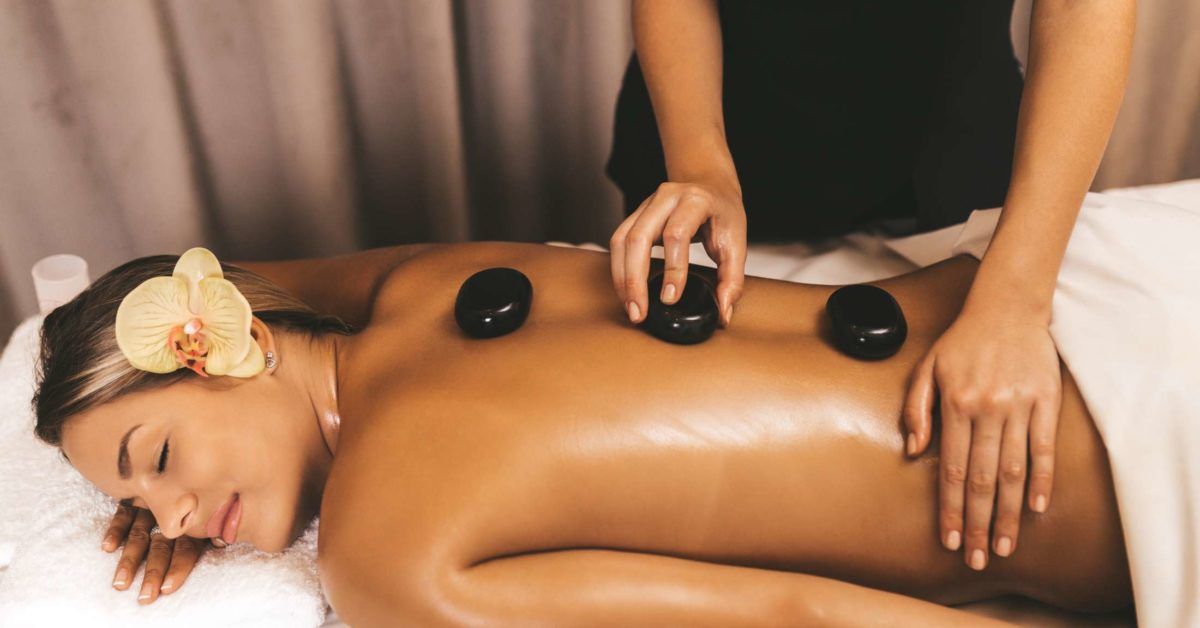
Massage for anxiety relief works by directly changing the biochemistry that drives anxious feelings. A single session reduces cortisol (the body's primary stress hormone) by up to 31% while increasing serotonin by 28% and dopamine by 31%, according to research published in the International Journal of Neuroscience. A 2016 randomized controlled trial led by Dr. Mark Rapaport and published in the Journal of Clinical Psychiatry found that Swedish massage therapy specifically reduced the symptoms of generalized anxiety disorder (GAD) by increasing the body's parasympathetic response, the neurological state that counters the fight-or-flight activation that anxiety produces. Anxiety disorders affect over 40 million American adults every year, according to the Anxiety and Depression Association of America, and the National Alliance on Mental Illness reports that 57% of people with mental illness receive no treatment at all. Massage therapy offers a clinically supported, non-pharmaceutical pathway to anxiety relief that works through the body's own nervous system and hormonal regulation. This article covers how massage reduces anxiety at the biological level, which techniques work best, where to apply pressure for maximum nervous system benefit, and how to build a treatment schedule that produces lasting results.
How Does Massage Reduce Anxiety?
Massage reduces anxiety through four simultaneous biological mechanisms: cortisol reduction, serotonin and dopamine increase, vagus nerve stimulation, and parasympathetic nervous system activation. These four mechanisms work together to shift the body out of the chronic stress state that anxiety creates and into the rest-and-repair state where healing, emotional regulation, and clear thinking become possible again. The shift is not psychological alone. It is measurable through blood tests (cortisol levels), saliva tests (cortisol and serotonin), and heart rate variability (HRV) monitoring, which is the gold-standard clinical measure of autonomic nervous system balance.
Cortisol drives the physical symptoms of anxiety: racing heart, shallow breathing, muscle tension, digestive disruption, and the feeling of dread that sits in the chest and stomach. When cortisol drops by 20% to 31% during a massage session, those physical symptoms ease because the chemical signal producing them weakens. Serotonin and dopamine rise simultaneously, and these two neurotransmitters regulate mood, motivation, pleasure, and the sense that things are going to be okay. The Touch Research Institute at the University of Miami conducted a landmark review confirming that massage therapy consistently reduces salivary and urinary cortisol levels across a wide range of populations and conditions. The hormone release that occurs during massage is not a placebo effect. It is a documented neurochemical response to sustained therapeutic touch.
Does Massage Therapy Help With Anxiety?
Yes, massage therapy helps with anxiety, and the clinical evidence now includes randomized controlled trials, meta-analyses, and institutional position statements supporting its use. The 2016 Rapaport RCT published in the Journal of Clinical Psychiatry is the landmark study: it specifically tested Swedish massage therapy on patients diagnosed with generalized anxiety disorder and found that massage increased the parasympathetic response while reducing GAD symptoms. Dr. Rapaport explained that massage therapy works by shifting the body's autonomic balance away from sympathetic (fight-or-flight) dominance and toward parasympathetic (rest-and-digest) activation, which directly reduces the physiological state that produces anxious feelings.
A 2023 study published in the Journal of Bodywork and Movement Therapies found that targeted deep tissue massage reduced anxiety scores by 42% in participants with generalized anxiety disorder. A broader 2010 meta-analysis confirmed that massage significantly reduces anxiety levels across various populations, including surgical patients, cancer patients, pregnant women, and people with chronic pain. The American Massage Therapy Association (AMTA) issued a formal position statement confirming that massage therapy can assist in reducing the symptoms of anxiety, citing the neurochemical evidence and clinical trial data. The Society for Integrative Oncology issued a Grade B recommendation for massage therapy for anxiety and mood disturbances in cancer patients. These are not fringe claims. They are evidence-based positions from major medical and professional organizations. Mental health support through massage works because it addresses the biological substrate of anxiety, not just the thoughts and emotions on the surface.
What Does the Vagus Nerve Do for Anxiety?
The vagus nerve is the primary highway of the parasympathetic nervous system, and it directly regulates heart rate, breathing depth, digestion, and the body's stress response. When the vagus nerve is stimulated through massage, it sends signals from the body to the brainstem that activate the parasympathetic state: heart rate slows, breathing deepens, blood pressure drops, and the fight-or-flight hormones (cortisol, adrenaline, norepinephrine) decrease. Researchers measure the health of vagal function through heart rate variability (HRV), which tracks the time variation between consecutive heartbeats. Higher HRV indicates stronger vagal tone and better stress resilience. Lower HRV is associated with anxiety disorders, depression, and chronic stress.
Massage increases vagal activity by activating pressure receptors (mechanoreceptors) in the skin and muscles. These receptors, particularly the Pacinian corpuscles and Ruffini endings, send signals through afferent nerve fibers to the brainstem's nucleus tractus solitarius, which processes the signals and triggers the parasympathetic cascade. Studies have confirmed that massage therapy measurably increases HRV, which is objective evidence that the vagus nerve is being activated and the autonomic nervous system is shifting toward balance. The vagus nerve is the reason why massage produces such immediate, palpable calm during and after a session. It is not just relaxation in the colloquial sense. It is a neurological event.
Where Is the Vagus Nerve in the Neck?
The vagus nerve runs along both sides of the neck, traveling within the carotid sheath alongside the internal jugular vein and the common carotid artery, passing beneath and behind the sternocleidomastoid (SCM) muscle. The vagus nerve originates in the brainstem (specifically the medulla oblongata), exits the skull through the jugular foramen, and descends through the neck into the chest and abdomen. In the neck, the vagus nerve is most accessible along the groove between the sternocleidomastoid muscle and the upper trapezius, roughly behind and below the ear. This anatomical location is why gentle massage of the lateral neck and the area behind the ears produces such a strong relaxation response. The vagus nerve continues from the neck through the chest (where it innervates the heart and lungs) and into the abdomen (where it innervates the stomach, intestines, and other digestive organs), creating a direct physical connection between gut feelings, heart rate, breathing patterns, and emotional states.
Where to Massage to Relieve Anxiety?
The most effective areas to massage for anxiety relief are the neck and cervical region (vagus nerve pathway), the scalp, the shoulders and upper trapezius, the abdomen, the feet, and the jaw. Each of these areas connects to a specific anxiety-reduction mechanism through the nervous system.
- Neck and cervical region: Direct vagus nerve stimulation along the SCM and upper trapezius. Gentle sustained pressure activates vagal afferent fibers that trigger parasympathetic activation and lower heart rate.
- Scalp: Dense concentration of nerve endings connected to the trigeminal nerve. Scalp massage reduces tension headaches and produces rapid relaxation through sensory nerve stimulation.
- Shoulders and upper trapezius: The most common site for stress-related muscle tension. Chronic shoulder tension sends signals to the brain that reinforce the anxiety cycle. Releasing this tension interrupts the feedback loop.
- Abdomen: The vagus nerve innervates the entire digestive tract. Gentle abdominal massage stimulates the gut-brain axis, which plays a growing role in anxiety research. A randomized controlled trial protocol published in Frontiers in Medicine is investigating abdominal massage for GAD through gut microbiota modulation.
- Feet: Reflexology targets nerve endings in the feet that correspond to organs and systems throughout the body. Foot massage activates the vagus nerve through the plantar nerve pathways and produces deep relaxation.
- Jaw and TMJ: Anxiety causes unconscious jaw clenching (bruxism) that contributes to headaches, facial pain, and neck tension. Releasing the masseter and temporalis muscles breaks the jaw-clenching pattern that anxiety sustains.
Where to Rub to Stimulate the Vagus Nerve?
To stimulate the vagus nerve through massage, apply gentle sustained pressure behind the ears, along both sides of the neck beside the sternocleidomastoid muscle, across the upper chest below the clavicle, on the abdomen in a clockwise circular pattern, and on the soles of the feet. The area behind and below the ear (the mastoid process region) is particularly effective because the auricular branch of the vagus nerve passes directly through this area, making it one of the most accessible points for vagal stimulation through external touch. Gentle circular pressure applied with fingertips for 30 to 60 seconds per side produces a noticeable drop in heart rate and a deepening of breath within minutes. Access Bars therapy, which involves light touch on specific points on the head, works through a similar mechanism of vagal and trigeminal nerve activation to promote deep relaxation and mental clarity.
What Type of Massage Is Best for Anxiety?
Swedish massage is the best type of massage for anxiety because it has the strongest clinical evidence for parasympathetic activation, cortisol reduction, and GAD symptom improvement. The 2016 Rapaport RCT specifically tested Swedish massage on diagnosed GAD patients and found significant symptom reduction. Swedish massage uses long, flowing strokes at light-to-medium pressure that activate the vagus nerve through sustained rhythmic touch without producing the sympathetic nervous system spike that deeper, more intense techniques can trigger. For people with high anxiety, touch sensitivity, or trauma history, the gentle, predictable nature of Swedish massage signals safety to the nervous system from the first moment of contact.
Massage TypeAnxiety MechanismEvidence StrengthBest ForSession LengthSwedish massageVagus nerve activation, cortisol reduction, parasympathetic shiftStrong (GAD-specific RCT)GAD, general anxiety, first-timers, touch sensitivity60-90 minutesCraniosacral therapyLight touch on skull/spine activates vagal and trigeminal pathwaysModerate (clinical consensus)PTSD, trauma, migraines, nervous system dysregulation60 minutesDeep tissue massageReleases chronic tension patterns that reinforce anxiety feedback loopStrong (42% anxiety score reduction study)Anxiety with chronic pain, muscle-tension anxiety60-90 minutesAromatherapy massageEssential oils + touch activate olfactory-limbic relaxation pathwayModerate (multiple small trials)Situational anxiety, sleep difficulty, mild-moderate anxiety60 minutesReflexologyPlantar nerve stimulation activates vagal pathways remotelyModerate (meta-analysis support)Anxiety with digestive symptoms, people who prefer non-full-body work30-60 minutes
Sources: Journal of Clinical Psychiatry (Rapaport GAD RCT, 2016); Journal of Bodywork and Movement Therapies (2023 deep tissue anxiety study); International Journal of Neuroscience (Touch Research Institute); 2010 anxiety meta-analysis
Craniosacral therapy (CST) is particularly effective for anxiety rooted in trauma or PTSD because the extremely light touch (5 grams of pressure, roughly the weight of a nickel) avoids triggering the defensive nervous system responses that deeper pressure can activate in trauma survivors. Reiki offers another gentle option for members who prefer a non-manipulative, energy-based approach to nervous system regulation. Kerry McSpedon, our licensed massage therapist and Reiki Master at our Bedford Hills center, specializes in craniosacral therapy and often combines it with Reiki for members managing anxiety and trauma-related conditions.
How to Calm the Nervous System?
Calming the nervous system requires shifting the autonomic balance from sympathetic (fight-or-flight) dominance to parasympathetic (rest-and-digest) activation, and massage therapy is one of the most reliable, evidence-based methods for producing that shift. A German study found that just 10 minutes of massage created significant parasympathetic nervous system activation measurable through heart rate variability changes. The parasympathetic shift that massage produces lowers heart rate, deepens breathing, reduces blood pressure, redirects blood flow to the digestive organs, and suppresses the cortisol production that keeps the body in a chronic stress state.
Massage is particularly effective for calming the nervous system because it works through the body rather than through the mind. Cognitive strategies for anxiety (thought challenging, mindfulness, reframing) require the prefrontal cortex to override the amygdala's fear response, which is difficult when cortisol levels are high and the sympathetic nervous system is dominant. Massage bypasses this top-down struggle entirely by activating the vagus nerve and pressure receptors from the bottom up, physically changing the nervous system state before asking the mind to think differently. This is why many anxiety sufferers find massage provides relief that talk-based strategies alone cannot. BrainTap sessions complement massage by using guided audio and light frequencies to reinforce the parasympathetic state the massage initiated, extending the calm into the hours and days that follow.
Can Massage Help With Panic Attacks?
Massage can help prevent panic attacks by lowering baseline cortisol levels and improving vagal tone between episodes, but it is not an acute intervention during an active panic attack. Panic attacks are sudden surges of sympathetic nervous system activation that produce rapid heart rate, chest tightness, shortness of breath, and overwhelming fear. These episodes are driven by a cortisol and adrenaline spike that overwhelms the parasympathetic system's capacity to regulate. Regular massage therapy lowers baseline cortisol and improves HRV over time, which raises the threshold at which the sympathetic system can be triggered. A person with lower baseline cortisol and higher vagal tone is less likely to reach the activation threshold that triggers a panic episode. The cumulative effect of consistent weekly massage sessions builds nervous system resilience that makes panic attacks less frequent and less intense over weeks and months.
Does Massage Help With PTSD?
Massage helps with PTSD by improving vagal tone, facilitating somatic (body-based) emotional release, and providing safe therapeutic touch that can help rebuild the sense of physical safety that trauma disrupts. PTSD keeps the sympathetic nervous system locked in a hypervigilant state where the body constantly scans for threats. Massage activates the parasympathetic system through vagal stimulation and communicates safety through sustained, predictable, consensual touch. The somatic release that sometimes occurs during massage, where stored tension patterns associated with traumatic events surface as emotion, tears, or trembling, is a recognized therapeutic response that allows the nervous system to process and discharge trapped stress activation. Stress management for PTSD through massage should be guided by a therapist trained in trauma-informed touch, and it works best as a complement to, not a replacement for, professional mental health treatment.
Does Massage Improve Sleep for Anxiety Sufferers?
Yes, massage improves sleep for anxiety sufferers by restoring the natural cortisol rhythm that anxiety disrupts. Cortisol follows a circadian pattern, peaking in the morning to promote alertness and declining through the evening to allow melatonin production and sleep onset. Chronic anxiety keeps cortisol elevated at night, delaying sleep onset, reducing sleep depth, and increasing nighttime awakenings. Massage therapy reduces overall cortisol production, which allows the natural evening decline to resume. A randomized controlled trial of 74 fibromyalgia patients found that massage-myofascial release therapy improved quality of sleep immediately after treatment and at one-month follow-up. At six months post-intervention, sleep quality remained the only outcome that showed lasting improvement. Sleep support through massage addresses the biological root of anxiety-related insomnia rather than merely sedating the symptoms.
How Often Should You Get a Massage for Anxiety?
You should get a massage for anxiety once per week for the first six to eight weeks to establish measurable neurochemical changes, then taper to every two weeks for ongoing maintenance. The 2016 Rapaport GAD study used weekly sessions to produce its significant results. Swedish massage therapy was shown to significantly decrease anxiety and depressive symptoms within six weeks of consistent sessions. The effects of a single massage session on cortisol and HRV last approximately three to five days, according to data from a 2023 JAMA meta-analysis on massage therapy for chronic conditions. Weekly sessions maintain continuous parasympathetic support without allowing cortisol to fully rebound between treatments.
A recommended massage schedule for anxiety management based on clinical trial data:
- Weeks 1 through 6: One 60-minute session per week to establish baseline cortisol reduction and vagal tone improvement.
- Weeks 7 through 12: Continue weekly if symptoms remain moderate to severe, or taper to every 10 days if symptoms have improved substantially.
- Months 4 through 6: Transition to biweekly sessions for ongoing maintenance of the neurochemical gains from the initial phase.
- Month 7 and beyond: Biweekly for continued management, or monthly for people whose anxiety has stabilized.
- During high-stress periods: Return to weekly sessions temporarily until the acute stressor resolves, then resume maintenance.
How Long Do the Anxiety-Relief Effects of Massage Last?
The anxiety-relief effects of a single massage session last approximately three to five days, and the cumulative effects of regular sessions build lasting nervous system resilience over weeks and months. The cortisol reduction and serotonin increase from a single session begin during the treatment and persist for several days as the body processes the neurochemical shift. HRV improvements may last slightly longer because the vagal tone enhancement carries over between sessions when treatments are regular. The cumulative effect is the most important factor: regular weekly massage trains the nervous system to access the parasympathetic state more easily and to recover from stress activation more quickly. Over time, the baseline shifts, and the body spends less time in the anxious sympathetic state and more time in the calm parasympathetic state. Salt room therapy sessions between massages extend the relaxation response by providing a quiet, mineral-rich environment that supports respiratory function and further calms the nervous system.
Can Massage Replace Medication for Anxiety?
Massage cannot universally replace medication for anxiety, but it can reduce the amount of medication needed and serve as an effective complementary therapy alongside pharmaceutical treatment. The clinical evidence supports massage as a meaningful intervention for anxiety symptoms, not as a substitute for psychiatric evaluation and treatment. Some people with mild to moderate anxiety find that consistent massage therapy, combined with lifestyle changes, provides sufficient relief without medication. Others with severe anxiety, panic disorder, or anxiety disorders complicated by other mental health conditions may need medication as a primary treatment, with massage serving as a valuable supplement that enhances overall outcomes and quality of life. The 2016 Rapaport study demonstrated that massage produced real, measurable changes in GAD symptoms, but the study's design positioned massage as a treatment approach, not as a replacement for established care. Always work with a healthcare provider when making decisions about anxiety medication. Our Westchester County therapeutic massage program is designed to complement, not replace, the care you receive from your medical team.
Frequently Asked Questions
What Should I Tell My Massage Therapist About My Anxiety?
Tell your therapist that you experience anxiety, what your primary symptoms are (racing thoughts, muscle tension, sleep difficulty, jaw clenching), and whether you have any touch sensitivity or trauma history. This information allows the therapist to select the right technique, adjust pressure appropriately, and create a session environment that feels safe. Let them know if certain body areas feel vulnerable or off-limits, and communicate freely during the session about pressure and comfort.
Is It Normal to Cry During a Massage for Anxiety?
Yes, crying during a massage is a normal somatic emotional release. Chronic anxiety creates muscular tension patterns, particularly in the chest, shoulders, jaw, and hip flexors, that store the physical component of emotional stress. When massage releases those tension patterns, the stored emotional signal can surface as tears, sadness, or a wave of relief. This response is not a sign that something went wrong. It is a sign that the body is releasing tension it has been holding, and many people feel significantly lighter and calmer afterward.
Can Children Receive Massage for Anxiety?
Yes, children can receive massage therapy for anxiety with appropriate modifications. Pediatric massage uses lighter pressure, shorter session lengths (15 to 30 minutes), and focuses on creating a comfortable, safe experience. Research supports massage for reducing anxiety in children with chronic illness, pre-surgical anxiety, and general childhood anxiety. A parent or guardian should be present during sessions for minors, and the therapist should be trained in pediatric techniques.
Does Aromatherapy Enhance Massage for Anxiety?
Aromatherapy can enhance massage for anxiety by adding olfactory nerve stimulation to the tactile nerve stimulation that massage already provides. Essential oils like lavender, chamomile, and bergamot have been studied for their anxiolytic (anxiety-reducing) properties, and inhaling these oils during massage activates the limbic system (the brain's emotional processing center) through the olfactory nerve, compounding the calming effect. Multiple small clinical trials support the combination of aromatherapy and massage for anxiety reduction, though the evidence is strongest for lavender specifically.
How Soon Before Bed Should I Schedule a Massage for Sleep?
Schedule a massage for sleep improvement two to four hours before your intended bedtime. The parasympathetic activation and cortisol reduction that massage produces need time to settle into the body before sleep onset. A session that ends immediately before bed may leave you in a transitional state between the deep relaxation of the massage session and the natural sleep onset process. Two to four hours provides enough time for the body to transition smoothly from the post-massage relaxation state into natural sleep.
Finding Your Calm
Massage for anxiety relief is not a luxury. It is a clinically supported intervention that changes the body's biochemistry, activates the vagus nerve, shifts the autonomic nervous system toward parasympathetic balance, and produces measurable improvements in cortisol, serotonin, dopamine, and heart rate variability. The 2016 Rapaport RCT on generalized anxiety disorder, the 2023 deep tissue anxiety study, the Touch Research Institute's landmark cortisol review, and multiple meta-analyses all confirm that massage produces real, quantifiable anxiety reduction through biological mechanisms that are well understood and thoroughly documented.
The most effective approach combines the right massage type for your specific anxiety pattern with consistent weekly sessions over a minimum of six weeks to establish lasting neurochemical changes. If you are managing anxiety and want to explore how massage therapy fits into your wellness plan, Quantum Healing & Wellness offers Swedish, deep tissue, craniosacral, and Reiki sessions alongside complementary modalities including BrainTap, Access Bars, salt room, and infrared sauna with red light therapy. Reach us through our contact page or call (914) 218-3428 to schedule a session with our experienced team.
Read our recent Blogs
Quantum Healing and Wellness PMA in Westchester NY is commited to wellness conent for you








.avif)
.png)
.png)