


.avif)




Salt room therapy sessions work best at 30–45 minutes, giving enough time for dry salt particles to reach deep airways, loosen mucus, reduce inflammation, and support skin health. Standard protocols use 45-minute sessions 2–3 times a week, with shorter visits for maintenance. Longer sessions over an hour show no added benefit.
The recommended session length for salt room therapy is 30-45 minutes, it’s because this window provides enough time for your body to absorb the dry salt particles effectively. Sessions shorter than 30 minutes may not offer full respiratory or skin benefits, while going much longer doesn’t increase results. The 30-45 minute range delivers the most consistent therapeutic impact.
What Is Salt Room Therapy?
Salt room therapy, or halotherapy, involves breathing pharmaceutical-grade salt aerosol in a controlled environment. A halogenerator grinds pure sodium chloride into particles measuring 1-5 microns in diameter and disperses them into the air.
The process works through three mechanisms: salt particles absorb moisture in airways and break down mucus, antibacterial properties kill pathogens in respiratory tissue, and anti-inflammatory effects reduce swelling in bronchial passages.
Salt therapy originated in Polish salt mines during the 1800s. Workers in these mines showed remarkably healthy lungs compared to other miners. Dr. Feliks Boczkowski documented this phenomenon, leading to modern halotherapy development.
The practice spread throughout Europe and Russia, where medical facilities integrated salt therapy into standard treatment protocols for respiratory conditions.
Modern Salt Room Design
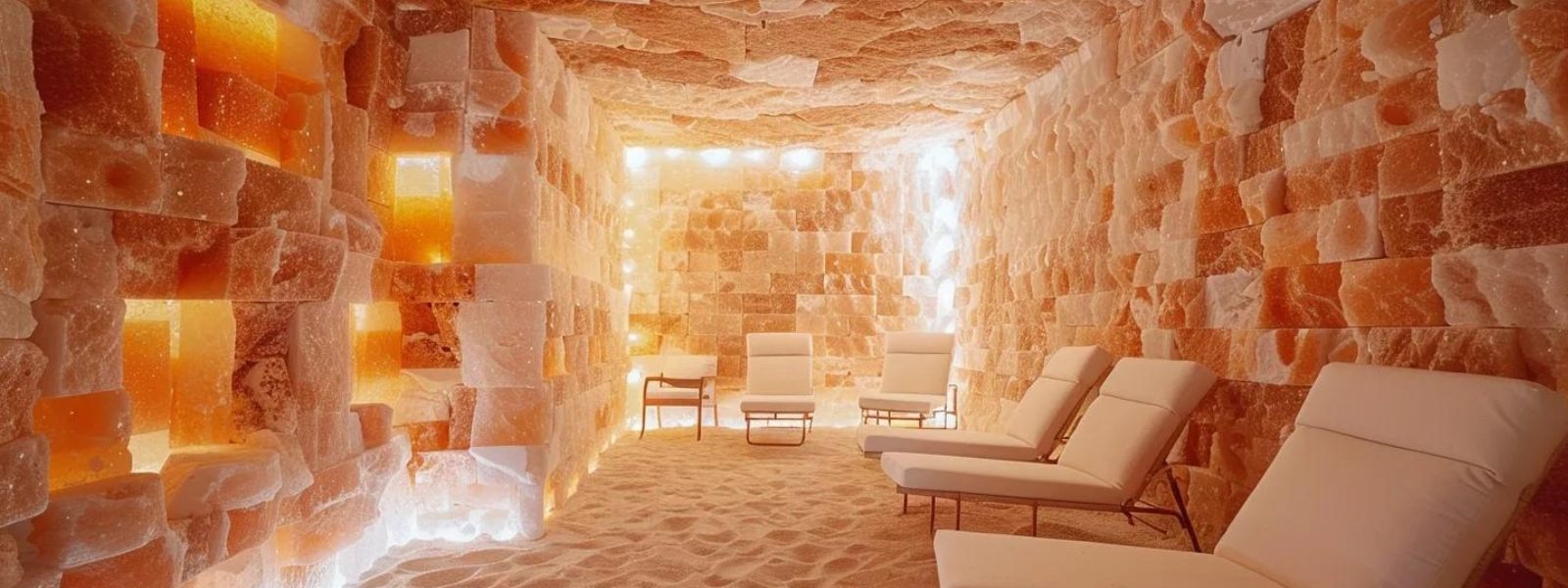
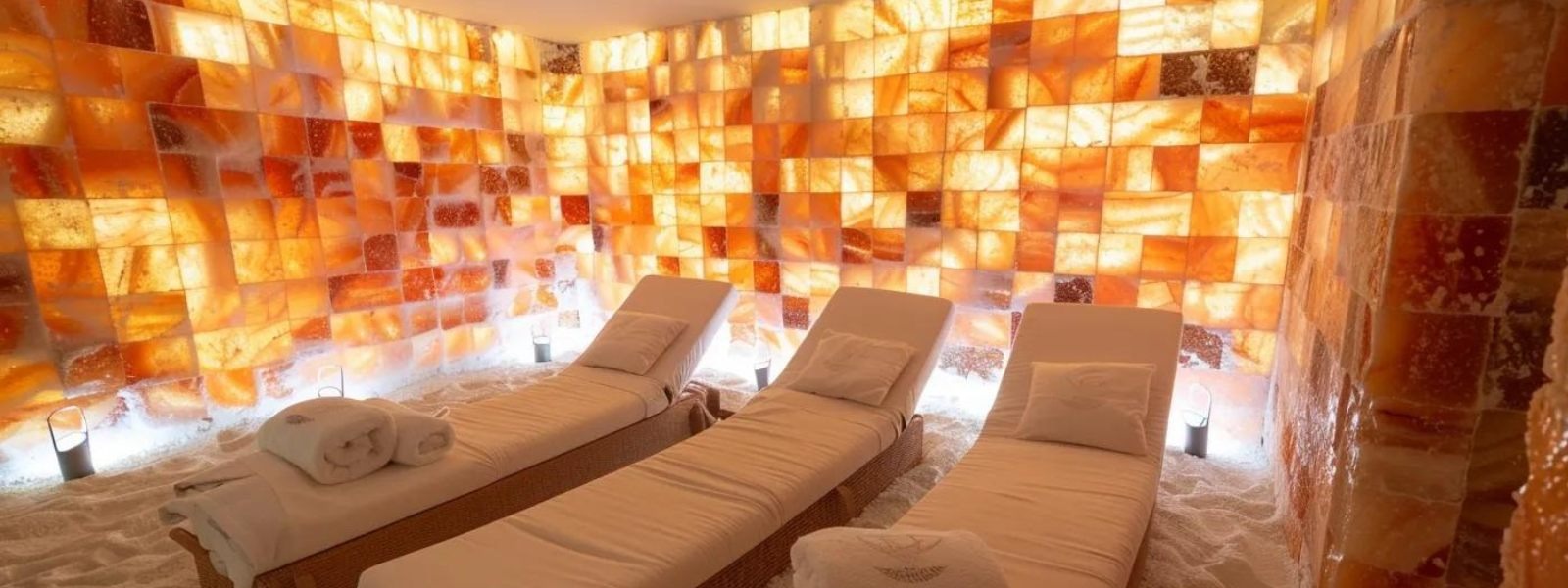
Modern salt rooms replicate the microclimate of natural salt caves. Temperature stays between 64-70°F with humidity under 60% throughout sessions. Wall surfaces contain Himalayan pink salt or other pure salt varieties. The controlled environment maximizes therapeutic benefits while providing comfortable conditions for relaxation.
How Long Should a Salt Therapy Session Last?
Standard salt therapy sessions last 45 minutes based on clinical research and therapeutic effectiveness. This duration provides three key benefits: complete salt particle distribution throughout respiratory systems, adequate time for mucociliary clearance, and optimal skin absorption.
Studies published in the Journal of Aerosol Medicine show that 45-minute sessions deliver measurable improvements in lung function.
Why 45 Minutes Works
The 45-minute duration matches the natural respiratory clearance cycle. Salt particles need 30-40 minutes to penetrate deep bronchial passages and begin loosening mucus. The remaining time allows for particle absorption and anti-inflammatory effects.
Research from the Salt Therapy Association confirms this timeframe through clinical guidelines stating that 45 minutes provides optimal salt concentration exposure without causing airway irritation.
Shorter durations of 20-30 minutes work for maintenance sessions or mild conditions. Sessions exceeding one hour offer no proven additional benefit according to published research. The consistency of session length matters more than occasional extended exposure.
Alternative Session Lengths
Salt booths and cabins offer 10-20 minute sessions with higher salt concentrations. These compact spaces deliver concentrated aerosol exposure in less time. The smaller volume allows faster saturation of breathable air with salt particles.
According to facility data, 15-minute booth sessions equal approximately 30 minutes in larger salt rooms. Athletes and people with busy schedules prefer this option for quick respiratory support.
What Session Length Works for Respiratory Conditions?
People with respiratory conditions need 45-minute sessions 2-3 times weekly for 4-8 weeks. This protocol appears in multiple European clinical studies. Conditions that respond to this schedule include asthma, chronic bronchitis, COPD, sinusitis, and allergies.
The consistent exposure allows salt to work progressively on inflamed tissue and accumulated mucus.
A 2017 study in Pediatric Pulmonology tested 55 children with mild asthma. Participants received 14 halotherapy sessions over seven weeks. Results showed significant improvement in bronchial hyper-responsiveness and peak expiratory flow rates. Each session lasted exactly 45 minutes.
Treatment Protocols by Condition
Asthma requires 12-25 sessions over 4-8 weeks with 45-minute duration. The salt reduces inflammation in bronchial tubes and improves breathing capacity. Studies from the National Library of Medicine confirm this protocol produces measurable changes in lung function tests.
Chronic bronchitis responds to 20-25 sessions spanning 6-8 weeks. Salt helps clear thick mucus from airways and reduces bacterial colonization. Patients report decreased coughing and improved quality of life according to clinical trials conducted in Russia and Poland.
Allergies and sinusitis improve with 10-15 sessions over 3-4 weeks. The salt clears allergens from nasal passages and reduces inflammatory response. Many people use this as preventive therapy during spring and fall allergy seasons.
Those dealing with respiratory health challenges often combine halotherapy with other supportive treatments for comprehensive care.
COPD Considerations
COPD patients need modified protocols depending on disease severity. Stage 1 and 2 COPD responds well to standard 45-minute sessions. Stage 3 and 4 require medical supervision and potentially shorter sessions with lower salt concentrations.
Always consult pulmonologists before beginning halotherapy with advanced lung disease.
What Session Length Works for Skin Conditions?
Skin conditions require 45-60 minute sessions 2-3 times per week. Longer exposure allows more salt particles to settle on skin surface. The antibacterial and anti-inflammatory properties work directly on affected areas.
Research shows benefits for eczema, psoriasis, acne, and dermatitis through this extended contact time.
A study in the International Journal of Dermatology tested Dead Sea salt baths. Results showed improved skin barrier function, increased hydration, and reduced inflammation after 15-minute exposures. Halotherapy provides similar benefits through airborne salt particles that coat skin continuously during sessions.
Eczema Treatment
Eczema patients benefit from 50-60 minute sessions twice weekly for 8 weeks. The salt reduces itching, redness, and bacterial overgrowth on skin. Clinical observations show visible improvement after 10-12 sessions.
The treatment works by killing Staphylococcus aureus bacteria that colonize eczema lesions and cause flare-ups.
Psoriasis Protocol
Psoriasis requires 45-minute sessions 3 times weekly for 6-10 weeks. Salt penetrates skin layers and reduces inflammatory markers. Studies document reduced scaling and plaque thickness with consistent treatment.
Dead Sea salt contains high magnesium content that specifically helps psoriatic skin. Many individuals working on skin anti-aging goals also incorporate halotherapy into their routines.
Acne and Rosacea
Acne responds to standard 45-minute sessions 2 times weekly. The antibacterial effects kill Propionibacterium acnes that cause breakouts. Salt also reduces oil production and inflammation in pores.
Rosacea benefits from gentle 30-40 minute sessions once weekly. Too much exposure can irritate sensitive rosacea skin. Lower salt concentrations work better for this condition.
What Session Length Works for Stress Relief?
Stress management requires 30-45 minute sessions once or twice weekly. The calm environment activates the parasympathetic nervous system and reduces cortisol levels. Dim lighting, comfortable seating, and negative ion exposure create relaxation conditions. The combination of physical rest and respiratory therapy produces mental relaxation effects.
Salt rooms generate negative ions similar to ocean environments. These ions boost serotonin production and improve mood states. Studies link negative ion exposure to reduced anxiety and better sleep quality. The concentration of negative ions in salt rooms exceeds levels found in natural outdoor settings.
Sessions work through multiple relaxation pathways. Deep breathing during halotherapy triggers vagal nerve stimulation. This activates rest-and-digest responses in the autonomic nervous system. Comfortable zero-gravity chairs reduce physical tension in muscles and joints. The quiet environment eliminates external stressors for the session duration.
People dealing with chronic stress benefit from weekly maintenance sessions. The regular schedule provides consistent nervous system reset. Many facilities offer meditation or gentle yoga during extended relaxation sessions. Those focused on stress management and emotional wellness find halotherapy complements other therapeutic approaches.
What Session Length Works for General Wellness?
Healthy individuals need 30-45 minute sessions once weekly for immune support. This maintenance schedule prevents respiratory infections and supports lung function. The protocol works as preventive care rather than treatment.
Regular sessions clear environmental pollutants from airways before they cause damage.
Urban air contains particulate matter, exhaust fumes, and allergens. Salt therapy helps remove these substances from respiratory tissue. The mucociliary clearance mechanism works more efficiently with regular halotherapy support.
Seasonal Prevention
Seasonal prevention strategies involve increased frequency during cold and flu season. Moving from monthly to weekly sessions provides additional immune support. The antibacterial properties of salt help prevent upper respiratory infections.
Many families schedule group sessions during fall and winter months.
Athletic Performance
Athletes use halotherapy to improve lung capacity and endurance. The salt clears airways and increases oxygen uptake during training. Recovery time between workouts may decrease with regular sessions.
Professional sports teams incorporate salt therapy into training facilities for performance optimization.
How Often Should You Schedule Sessions?
Session frequency depends on health goals and condition severity. Acute conditions need more frequent visits initially, then taper to maintenance levels. Chronic conditions require sustained regular scheduling for lasting benefits. The body responds progressively to accumulated salt exposure rather than single sessions.
Clinical data from the Salt Therapy Association supports structured frequency schedules. Research shows consistent scheduling produces better outcomes than sporadic visits. The therapeutic effects build cumulatively over weeks of regular treatment. Missing sessions disrupts this progression and delays results.
- Acute respiratory infections: 3-5 times per week for 2-3 weeks helps clear infection quickly
- Chronic conditions: 2-3 times weekly for 6-12 weeks establishes therapeutic baseline
Initial intensive phases require higher frequency. After completing 20-25 sessions, most conditions transition to maintenance schedules. Maintenance typically involves 1-2 sessions monthly to preserve gains. Some chronic conditions need weekly sessions indefinitely for symptom control.
Skin conditions follow similar patterns with longer initial treatment phases. Psoriasis and eczema need 8-12 weeks of consistent treatment before transitioning to maintenance. The skin regeneration cycle requires this extended timeframe for visible improvement.
What Happens During a 45-Minute Session?
Salt therapy sessions follow a structured timeline for maximum benefit. The first 10 minutes allow body adjustment to the environment. Minutes 10-35 provide peak salt exposure as the halogenerator operates at full capacity. The final 10 minutes let particles settle in airways and on skin surface.
Arriving early completes check-in and mental preparation. Remove shoes and outdoor clothing that carries pollutants. Wear clean socks or foot covers provided by facilities. Avoid perfumes, lotions, and scented products that interfere with salt aerosol.
Sessions take place in specially designed rooms with controlled conditions. Sit in zero-gravity recliners or comfortable chairs positioned around the space. The halogenerator activates and disperses salt aerosol throughout the room. Breathe normally through your nose to maximize particle intake into sinus passages and lungs.
Salt concentration builds gradually during the first 15 minutes. You may taste slight saltiness on lips after 15-20 minutes of exposure. The room maintains cool temperature and low humidity throughout the session. Soft music or nature sounds play at low volume to enhance relaxation.
Reading, resting, or meditating passes the time productively. Some people bring tablets or phones in protective bags to watch content. Others prefer closing eyes and practicing breathing exercises. Children play quietly with provided toys in dedicated family rooms.
Mild coughing or nasal drainage may occur during or after sessions. These reactions indicate successful mucus clearance from airways. Drink water immediately after to support the detoxification process. Avoid showering for 2-4 hours to allow continued salt absorption through skin pores. Individuals exploring detoxification and immune support often combine halotherapy with other cleansing practices.
What Session Length Works for Children?
Children ages 1-13 benefit from standard 45-minute sessions without modification. Pediatric studies show this duration produces therapeutic effects without causing discomfort or restlessness. Infants under 12 months start with 10-15 minute sessions and gradually increase duration as they grow accustomed to the environment.
A randomized controlled trial published in 2017 tested halotherapy in asthmatic children. Participants ages 5-13 completed fourteen 45-minute sessions over seven weeks. Results showed statistically significant improvements in bronchial hyper-responsiveness and quality of life scores. The treatment group reduced rescue inhaler use by an average of 40% compared to controls.
Many facilities provide dedicated children's spaces with age-appropriate features. These rooms include toys, books, and play areas designed for active engagement. Children play in Himalayan salt sandbox areas while breathing therapeutic aerosol. The distraction of play makes the 45-minute duration pass quickly without boredom.
Sessions for children under 6 years include one adult at no additional cost. This policy helps young children feel comfortable and stay calm during treatment. Parents sit nearby and receive simultaneous halotherapy benefits. Family bonding occurs naturally in this shared wellness experience.
Respiratory conditions in children respond quickly to halotherapy. Young immune systems show high plasticity and adapt rapidly to treatment. Ear infections, allergies, and asthma often improve within 5-7 sessions. Parents report fewer sick days and reduced antibiotic use after completing treatment courses.
What Does Research Show About Session Duration?
Clinical studies consistently use 45-minute protocols with positive outcomes documented across decades. European research dominates the evidence base with over 50 years of published results. Recent studies from the United States support these findings and validate the standard duration.
The Global Wellness Institute reviewed 18 studies on halotherapy effectiveness. Analysis showed measurable improvements in forced expiratory volume (FEV1) and peak expiratory flow (PEF). All successful studies used sessions lasting 40-50 minutes. Studies using shorter durations showed minimal or inconsistent results.
Most research originates from Eastern Europe and Russia where salt therapy enjoys official medical recognition. These countries recognize halotherapy in official medical protocols covered by state healthcare systems. Poland, Romania, and Russia maintain underground salt sanatoriums where patients receive intensive multi-week treatment programs.
American research remains limited but growing with increased interest from pulmonologists. A 2022 review in the National Library of Medicine confirmed benefits for respiratory disorders. Researchers call for larger randomized controlled trials with standardized protocols to establish definitive treatment guidelines.
Salt therapy produces minimal side effects when sessions follow recommended duration. Temporary coughing, nasal drainage, or mild throat irritation may occur in 10-15% of users. These effects indicate successful mucus clearance and typically resolve within 2-3 hours. Staying hydrated minimizes these temporary reactions.
Contraindications include active infections with fever, severe hypertension, cardiac insufficiency, and active tuberculosis. People with these conditions should avoid halotherapy or consult physicians first. Pregnancy is generally safe for halotherapy but requires medical clearance for high-risk pregnancies.
How Much Do Sessions Cost?
Single 45-minute sessions cost $35-60 at most facilities across the United States. Prices vary by location, equipment quality, and facility amenities. Urban centers charge higher rates than suburban locations due to real estate and operating costs. Facilities with medical-grade halogenerators typically charge premium prices.
Most facilities offer discounted packages that reduce per-session costs significantly. Five-session packages range from $150-250, providing 15-30% savings. Ten-session packages cost $280-450 with 20-35% discounts. Monthly unlimited memberships run $150-200 and work well for chronic conditions requiring frequent visits.
Annual memberships provide the deepest discounts for committed users. These programs cost $1200-1800 yearly and include unlimited sessions. Members also receive priority scheduling and discounts on additional services. The per-session cost drops to $3-5 with regular use under annual plans.
Some wellness centers accept HSA and FSA accounts for payment. Check with your facility about eligible payment methods and required documentation. A few insurance companies now cover halotherapy with documented medical necessity from physicians. Workers compensation claims occasionally cover halotherapy for occupational respiratory conditions.
What Strategies Maximize Session Benefits?
Deep nasal breathing increases salt particle absorption in airways more than mouth breathing. Breathe slowly through your nose for 4 counts, hold for 2 counts, then exhale for 6 counts. This pattern maximizes particle deposition in lung tissue and sinus cavities. The extended hold time allows particles to settle on moist airway surfaces.
Hydrate with 16-20 ounces of water 30 minutes before sessions. Proper hydration improves mucociliary function and helps the body process cleared toxins. Arrive with clean skin free of lotions or makeup that blocks salt absorption. Wear loose comfortable clothing in light colors that shows salt residue less visibly.
Focus on breath awareness and relaxation during sessions rather than entertainment. Close your eyes and practice simple meditation or body scanning. Avoid talking to preserve salt concentration in the air and maximize personal intake. Keep electronic devices in protective bags if bringing them into salt rooms.
Wait 2-4 hours before showering to extend salt contact with skin surface. The particles continue working after sessions end as they slowly dissolve into skin moisture. Drink additional water to support detoxification pathways activated by halotherapy. Note any changes in breathing or skin condition in a journal for tracking progress.
Combining halotherapy with complementary therapies enhances overall results. Many people schedule infrared sauna and red light therapy on the same day as salt sessions. The heat opens airways and pores before salt exposure. Others pair halotherapy with massage to address both respiratory and muscular tension simultaneously.
Can You Do Longer Sessions?
Sessions exceeding 60 minutes provide no additional therapeutic benefit according to published research. Salt concentration reaches saturation levels in airways after 45-50 minutes of continuous exposure. Extended exposure may cause minor airway irritation in sensitive individuals without improving outcomes.
Some facilities offer 90-minute sessions that include meditation instruction or gentle yoga. These extended formats focus on relaxation and stress relief rather than increased salt exposure. The halogenerator typically runs for only 45 minutes while the remaining time involves guided relaxation practices.
Back-to-back sessions on the same day offer no advantages over single sessions. The body needs time to process cleared mucus and absorbed salt between exposures. Scheduling multiple sessions within 24 hours overloads clearance mechanisms without improving results. Space sessions at least 24-48 hours apart for optimal response.
What Conditions Benefit Most from 45-Minute Sessions?
Respiratory conditions show the strongest evidence for 45-minute protocols across published literature. Studies document improvements in asthma, chronic bronchitis, sinusitis, and allergies with this specific duration. Skin conditions also respond well to 45-60 minute exposures based on clinical observations.
Athletes use halotherapy to improve lung capacity and endurance performance. The salt clears airways and increases oxygen uptake during training sessions. Recovery time between intense workouts may decrease with regular halotherapy support. Professional cycling and running teams incorporate salt therapy into training facilities for performance optimization.
Smokers and former smokers benefit from halotherapy for lung cleansing. The treatment helps remove tar residue and reduces chronic cough associated with tobacco use. Studies show improved lung function tests after 15-20 sessions in current and former smokers. Those dealing with pain management and inflammation from various sources often discover additional benefits from regular salt therapy.
When Should You Avoid Salt Therapy?
Active infections with fever contraindicate halotherapy until symptoms completely resolve. The treatment may spread pathogens in shared rooms or stress the immune system during acute illness. Wait until fever breaks and energy returns before resuming sessions.
Severe uncontrolled hypertension requires medical clearance before beginning salt therapy. While inhaled salt does not significantly affect blood pressure, the relaxation response may cause temporary changes. People with blood pressure above 160/100 should consult cardiologists first.
People coughing up blood should not use salt therapy without pulmonologist evaluation. Hemoptysis indicates serious lung conditions requiring medical diagnosis. Cardiac insufficiency and advanced COPD (stage 3-4) also require medical evaluation before starting treatment.
Pregnancy is generally safe for halotherapy with normal pregnancies. The treatment contains no medications or harmful substances that affect fetal development. Consult obstetricians first if pregnancy involves complications or high-risk factors. Many pregnant women use halotherapy safely for respiratory support during months when medication options are limited.
Frequently Asked Questions
What Should I Wear to a Salt Therapy Session?
Wear comfortable, loose-fitting clothes in light colors. Salt particles settle on clothing and show less on lighter fabrics. Avoid synthetic materials that trap heat. Bring clean socks or wear foot covers provided by facilities. Remove jewelry and accessories that might corrode from salt exposure.
Can I Bring my Phone into the Salt Room?
Most facilities allow phones in protective cases or plastic bags. Salt particles can damage electronic devices if they penetrate openings. Keep phones on silent mode to maintain quiet environment. Many people prefer leaving devices outside to maximize relaxation benefits.
How Much Water Should I Drink After Sessions?
Drink 16-24 ounces of water immediately after sessions. Continue hydrating throughout the day with at least 64 ounces total. Water supports the detoxification process and helps clear loosened mucus. Dehydration can worsen temporary coughing or throat irritation after treatment.
Is Salt Therapy Covered by Insurance?
Most insurance plans do not cover salt therapy currently. Some HSA and FSA accounts accept halotherapy as eligible medical expense. Workers compensation occasionally covers treatment for occupational respiratory conditions. Check with your insurance provider about specific coverage and documentation requirements.
Can Babies do Salt Therapy?
Babies as young as one month can safely receive salt therapy. Start with 10-15 minute sessions for infants under 12 months. Gradually increase duration as babies grow accustomed to the environment. One parent typically accompanies infants at no additional charge in family rooms.
Final Thoughts
The optimal salt room therapy session lasts 45 minutes for most health goals based on clinical evidence. This duration provides adequate time for salt particles to reach deep airways, clear mucus, reduce inflammation, and support skin health.
Shorter sessions work for maintenance or time-constrained schedules, while longer sessions offer no proven advantages.
Schedule 2-3 sessions weekly for respiratory conditions and skin disorders during initial treatment phases. Maintenance wellness requires 1 session weekly after completing intensive protocols. Children follow the same 45-minute duration as adults with equal safety and effectiveness.
Research supports halotherapy as complementary treatment for respiratory and skin conditions. Consistent scheduling over 4-8 weeks produces the best outcomes with measurable improvements in lung function and quality of life.
The therapy works progressively through accumulated exposure rather than single sessions.
Visit salt therapy services to book your first 45-minute session and experience the benefits of pharmaceutical-grade halotherapy in a professionally managed environment.
Read our recent Blogs
Quantum Healing and Wellness PMA in Westchester NY is commited to wellness conent for you









.avif)
.png)

.png)