


.avif)


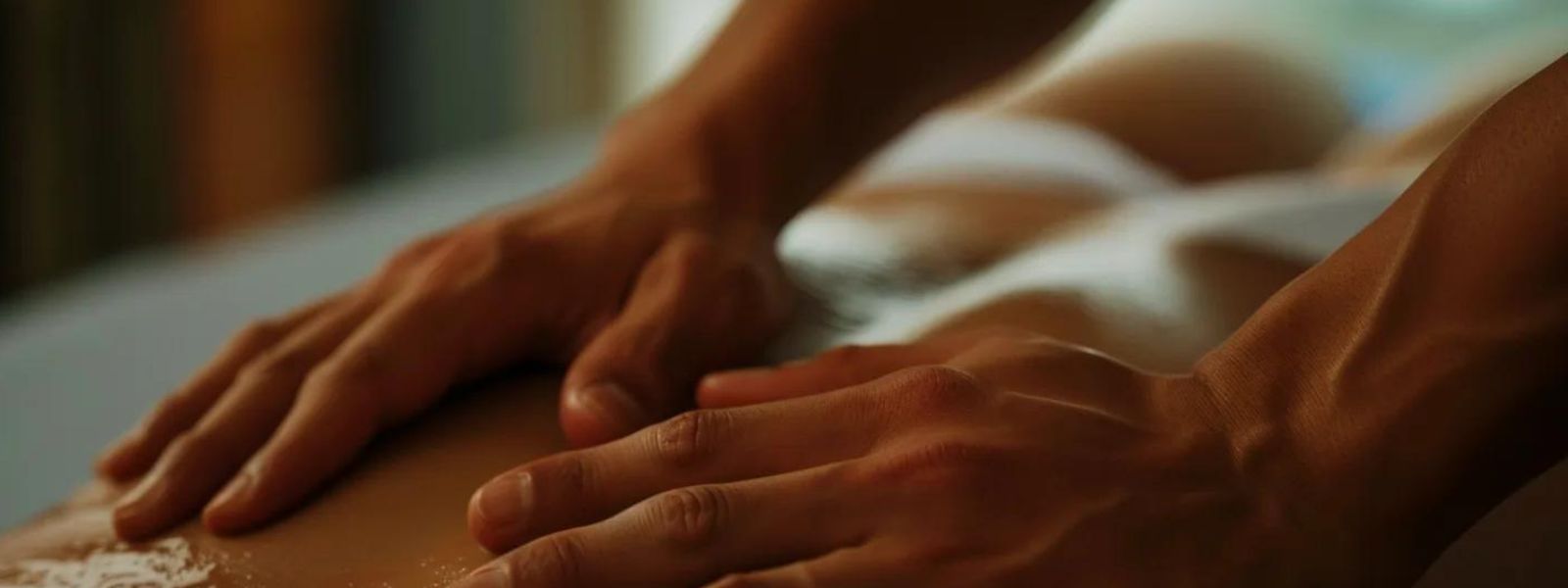
After a massage, circulation and lymph flow increase, helping oxygen reach muscles and moving waste out. Muscles loosen, knots release, and you may feel mild soreness as tissue repairs. Stress hormones drop while endorphins/serotonin rise, shifting you into calm “rest and digest” and improving sleep.
After a massage, your body experiences improved blood circulation, relaxed muscles, and reduced stress levels. Tension is released from soft tissues, helping oxygen and nutrients reach muscles more efficiently. Your nervous system shifts into a calmer state, increasing endorphins and promoting deeper relaxation and recovery.
Your Blood Starts Moving Better
When a massage therapist works on your body, one of the first things that happens is your blood begins to flow more freely.
How Massage Gets Your Blood Flowing
Your blood moves through tubes called blood vessels. During a massage, gentle pressure makes these tubes open wider. When they open up, more blood can flow through them. This means more oxygen and food for your cells reaches all parts of your body.
When blood flows better, your skin gets a healthy glow and your muscles get fresh oxygen. Waste products leave your body faster, and your cells get the nutrients they need to work properly.
What Better Blood Flow Does for You
Better blood flow helps your whole body. Your heart doesn't have to work as hard. Your blood pressure can go down. Your hands and feet might feel warmer. Even your brain gets more oxygen, which can help you think more clearly.
Many people notice these changes right away. Some feel warmth spreading through their body. Others notice their cold hands and feet warming up. These are all signs that your blood is moving the way it should.
Your Brain Makes Happy Chemicals
Your brain is like a chemical factory. After a massage, it starts making special chemicals that change how you feel.
The Four Main Feel-Good Hormones
Your body releases four important hormones during and after massage therapy:
Endorphins: These are your body's natural pain killers. They work like medicine but come from inside you. They help you feel less pain and more joy.
Serotonin: This is your happy chemical. It helps you feel calm and peaceful. When you have enough serotonin, you sleep better and worry less.
Dopamine: This chemical gives you motivation and focus. It helps you feel good about finishing tasks. It also helps you move smoothly.
Oxytocin: Some people call this the "cuddle hormone." It makes you feel safe, connected, and loved. It helps lower your stress.
Why These Chemicals Matter
These four chemicals work together to help you feel amazing. When your brain makes more of these hormones naturally, you might notice less pain in your body and feeling happier and more relaxed. Better sleep at night, less worry and stress, and more energy during the day are common results.
This is why many people say they feel like they're floating or in a dream after a good massage. Your brain is giving you a natural high.
Your Stress Hormones Go Down
While good hormones go up, bad stress hormones go down. This is one of the most important things that happens after a massage.
Cortisol: Your Main Stress Hormone
Your body makes a hormone called cortisol when you feel stressed. A little bit of cortisol is okay. But too much can hurt you. It can make you gain weight, feel tired, get sick more often, and sleep poorly.
Studies show that massage can lower cortisol by up to 31%. This is a big drop. When cortisol goes down, your whole body can relax and heal.
What Happens When Stress Drops
Lower stress hormones mean your muscles can finally relax and your mind stops racing. You breathe more slowly and deeply. Your body can focus on healing, and you might feel tired in a good way.
This drop in stress hormones is why many people dealing with stress and worry find massage so helpful. If you're looking for more ways to manage stress, Reiki can work beautifully alongside massage therapy.
Your Nervous System Switches Gears
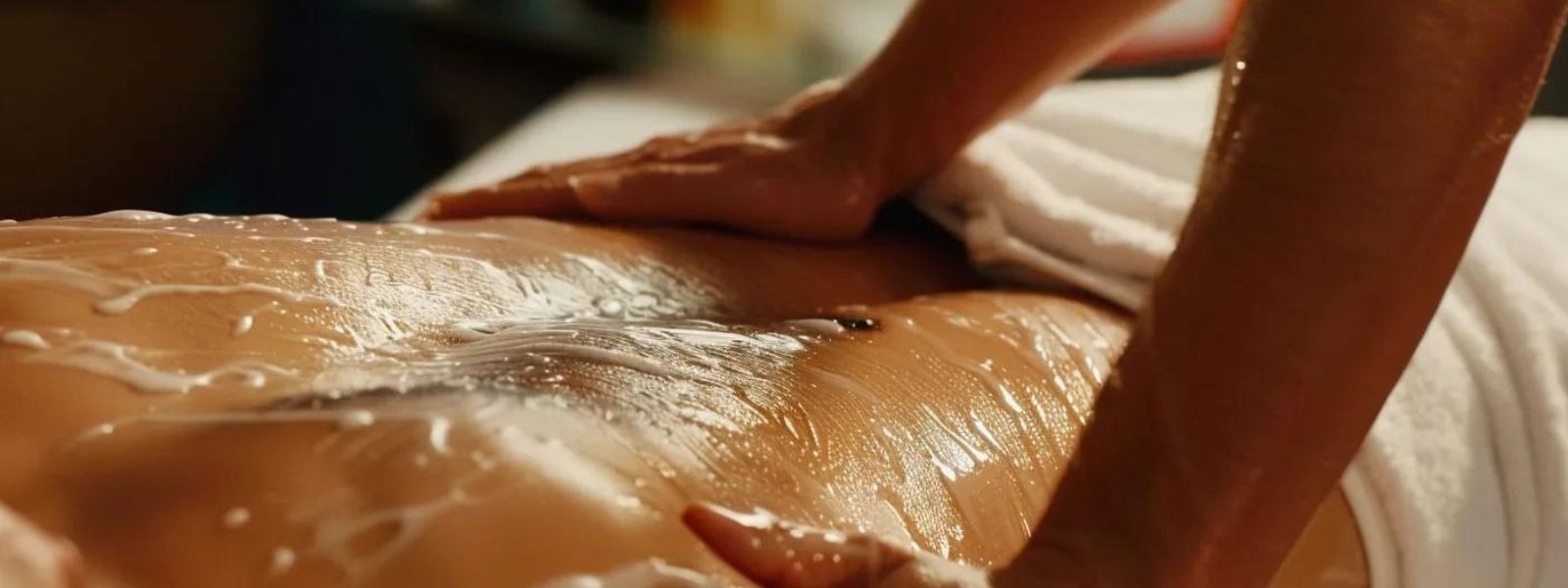
Your body has two main settings: fight or flight mode and rest and digest mode. Most of us spend too much time in fight or flight mode because of our busy lives.
From Fight or Flight to Rest and Digest
When you get a massage, your body switches from stressed mode to calm mode. This happens because massage activates something called your parasympathetic nervous system.
Think of it like this: Your body has been running like a car in high gear. Massage shifts it into a lower, more relaxed gear. Your heart rate slows down. Your breathing gets deeper. Your muscles let go of tension they've been holding.
Signs Your Body Has Switched Modes
You know your body has made the switch when your breathing becomes slow and deep and your heart beats more slowly. Your hands and feet feel warm, and you might yawn or feel sleepy. Your stomach might make sounds (this is good!), and you feel very calm and peaceful.
For people dealing with tight shoulders and back pain, this nervous system shift is especially important for long-term relief.
Your Muscles Start to Heal
Massage does powerful things to your muscles. Both during and after your session, your muscles are working hard to repair themselves.
What Happens to Tight Muscles
Tight muscles have knots and tender spots. These happen when muscle fibers get stuck together. When a therapist works on these areas, they help break up the stuck spots.
After a massage, your muscles release built-up tension and get more blood flow with fresh oxygen. They start repairing any tiny tears or damage, become more flexible, and work better with less effort.
Why You Might Feel Sore
Sometimes you feel a little sore after a massage, especially after a deep tissue massage. This feels similar to the soreness after a good workout. This happens because your muscles aren't used to being worked on, and blood is rushing to areas that haven't gotten much flow.
This soreness usually lasts one to two days. Then you should feel much better than before. If soreness lasts longer or feels very painful, talk to your massage therapist.
Your Lymph System Gets Moving
Your lymph system is like your body's garbage disposal. It carries waste away from your cells. But unlike your blood, which has your heart to pump it, your lymph system needs help to move.
How Massage Helps Your Lymph Flow
Massage gives your lymph system the push it needs. The squeezing and pressing movements help lymph fluid move through your body. This fluid carries away dead cells, extra water, bacteria and germs, and waste products from your cells.
Benefits of Better Lymph Flow
When your lymph moves better, you might notice less puffiness or swelling and fewer colds and infections. More energy, better skin, and less fluid retention are also common benefits.
This is especially helpful for people working on boosting their immune system and overall wellness. BrainTap therapy can complement massage by helping your nervous system stay balanced.
Understanding the "Toxin Release" Myth
Many people believe massage releases toxins from your body. This isn't quite right, but there is some truth behind the idea.
What Really Gets Released
Massage doesn't remove mysterious toxins. Instead, it helps move metabolic waste. This is the normal waste your body makes when cells work and muscles move.
Your body already has great systems for removing these wastes (your liver, kidneys, and lymph system). Massage just helps these systems work better and faster.
The Lactic Acid Myth
For years, people thought lactic acid caused muscle soreness and that massage flushed it out. We now know this isn't true. Lactic acid actually helps your muscles make energy. Your body clears it naturally within an hour after exercise, long before you get a massage.
The soreness you feel is more likely from tiny tears in muscle fibers, not lactic acid buildup. These tears are a normal part of healing and getting stronger.
Your Sleep Gets Much Better
One of the best things that happens after a massage is better sleep. Many people sleep like babies the night after a good session.
How Massage Improves Sleep
Massage helps you sleep better in several ways. It increases serotonin, which your body uses to make melatonin, the hormone that tells your brain it's time to sleep. It also reduces pain that might keep you awake, and lowers stress that blocks good sleep.
Research shows that people who get regular massages fall asleep faster and sleep longer. Many report feeling more rested when they wake up.
Better Sleep Means Better Health
Good sleep affects everything. Your mood improves and your immune system works better. You have more energy, your brain works clearer, you heal faster from injuries, and you handle stress better.
This is why one massage can lead to feeling better for several days. The good sleep you get creates a positive cycle of healing. If sleep is a struggle for you, combining massage with Access Bars therapy can provide even deeper relaxation.
What You Might Feel in the Hours After
Everyone's body responds a little differently to massage. Here are common things people notice in the hours and days after their session.
Immediate Effects (First Few Hours)
Right after your massage, you might feel very relaxed or sleepy because your nervous system is in rest mode. Some people feel a little dizzy or lightheaded as blood pressure may have dropped. Feeling thirsty is common, as your body needs extra water to help move things through your system.
Some people feel emotional or teary because massage can release emotional tension stored in your body. Others feel the opposite full of energy and ready to move. Both reactions are normal.
24 to 48 Hours After
In the day or two after, you might notice mild soreness like after a workout, especially if it was a deep tissue massage. This should feel like a "good hurt," not sharp pain. You may need to use the bathroom more as your body moves waste products out.
Better range of motion means your joints and muscles move more easily. Less pain is common, as chronic pain often feels better after the initial soreness passes. An improved mood is typical too you might feel happier, calmer, or more patient with daily stress.
One Week Later
After about a week, many people report sleeping better overall, feeling less stressed, moving with less pain, having more flexibility, and noticing better posture.
Why Drinking Water Really Matters
You've probably heard you should drink lots of water after a massage. This advice is real and important.
How Water Helps After Massage
Your body needs water to help your kidneys filter waste and keep your lymph system flowing. It prevents dehydration from increased circulation, helps your muscles recover, and supports all your body's natural cleaning processes.
Aim to drink at least 2-3 extra glasses of water in the hours after your massage. Some people need even more.
Signs You Need More Water
Watch for these signs you need more water: dark yellow urine, headache, feeling tired or sluggish, dry mouth, or dizziness.
If you see these signs, drink more water. Your body is working hard to process everything from your massage.
Long-Term Benefits of Regular Massage
One massage feels great. But regular massage creates lasting changes in your body.
What Happens with Ongoing Sessions
When you get massage regularly (every week or two weeks), you might notice your baseline stress stays lower because your body learns to stay in rest mode more often. Chronic pain improves as old injuries and pain patterns start to heal for good. Your sleep stays better, you consistently sleep deeper and wake up refreshed, and your immune system gets stronger you might get sick less often.
How Often Should You Get Massage?
Most experts suggest once a week for severe pain or high stress, every two weeks for moderate issues, and once a month for maintenance and wellness.
Your body remembers the good effects of massage. The more regularly you go, the longer the benefits last between sessions.
For comprehensive wellness, consider combining massage with other therapies like infrared sauna with red light therapy or PEMF therapy.
Tips for Getting the Most from Your Massage
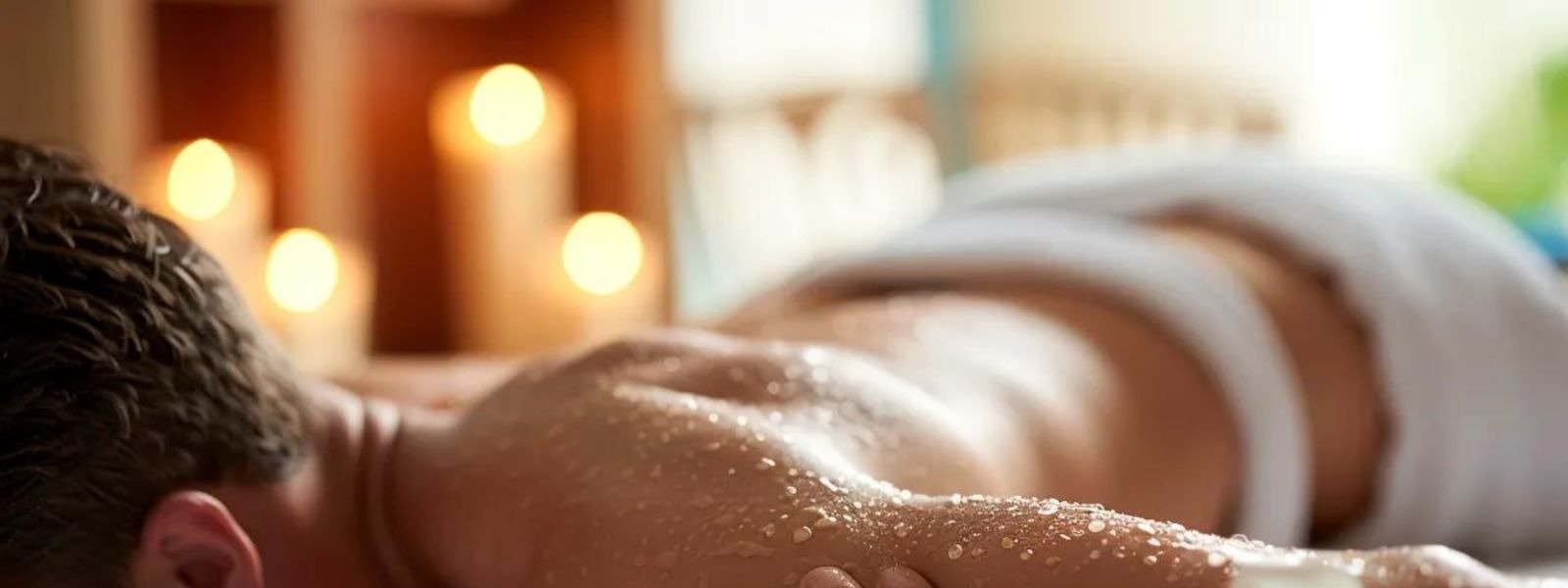
Want to help your body get every possible benefit? Try these simple tips.
Before Your Massage
Drink plenty of water that day and don't eat a huge meal right before. Arrive a few minutes early to relax, tell your therapist about any pain or problems, and wear comfortable, loose clothing.
During Your Massage
Breathe slowly and deeply, and tell your therapist if pressure is too much or not enough. Try to relax your mind as well as your body, don't hold your breath or tense up, and speak up if you feel uncomfortable.
After Your Massage
Drink 2-3 extra glasses of water and avoid alcohol for 24 hours. Skip intense exercise that day, take a warm bath with Epsom salts if possible, rest if you feel tired, stretch gently, and avoid caffeine if possible.
Following these tips helps your body take full advantage of all the changes happening inside.
Special Considerations for Different People
Different bodies react to massage in different ways. Here's what to know based on your situation.
If You Have Chronic Pain
People with conditions like fibromyalgia or arthritis need to take it slow. Start with gentle pressure. Build up over time. Your body needs to learn that touch is safe and helpful, not threatening.
If You're Very Active or Athletic
Athletes often need deeper work and more frequent sessions. Your muscles work hard and need extra care. Sports massage before events warms up muscles. After events, it speeds recovery.
If You're Pregnant
Pregnancy massage is usually safe after the first trimester. It can help with back pain, swelling, and stress. Make sure your therapist knows you're pregnant and is trained in prenatal massage.
If You Have Health Conditions
Tell your massage therapist about any health problems. Some conditions need special care. Others mean certain types of massage aren't safe. Being honest keeps you safe and helps you get the best results.
When to Be Concerned After Massage
Most effects after massage are normal and good. But sometimes you should call your therapist or doctor.
Normal vs. Concerning Symptoms
Normal effects include mild soreness for 1-2 days, feeling tired or emotional, needing the bathroom more, slight dizziness right after, and warmth or tingling in muscles.
Call your therapist if soreness lasts more than 3 days, you have sharp severe pain, you develop bruising (unless using cupping), numbness or tingling lasts more than an hour, or a health condition gets worse.
Call your doctor if you have chest pain, breathing becomes difficult, you have severe dizziness or fainting, a pre-existing condition suddenly changes, or you develop a fever.
Good communication with your massage therapist helps prevent problems and keeps you safe.
Combining Massage with Other Wellness Practices
Massage works even better when combined with other healthy habits.
Practices That Boost Massage Benefits
Regular movement like gentle exercise such as walking or yoga helps maintain the flexibility massage creates. Good sleep habits mean going to bed at the same time and keeping your room cool and dark. Healthy eating gives your body the building blocks it needs to heal. Stress management through meditation or deep breathing helps, as does staying hydrated by drinking water throughout the day, not just after massage.
Complementary Therapies
Many people find these work well with massage:
- Emotion Code for releasing trapped emotions
- BEMER therapy for improved circulation
Each of these adds something different while supporting the work massage does in your body.
Frequently Asked Questions
How Long do the Benefits of a Massage Last?
The benefits of a massage typically last 3-7 days for most people. However, this depends on your body, stress levels, and activity. Regular massage sessions help the benefits last longer because your body builds on previous sessions. For chronic pain or high stress, weekly sessions provide the best results. For maintenance, monthly massage keeps your body feeling good.
Why do I Feel Tired After a Massage?
Feeling tired after a massage is completely normal and actually a good sign. Your body has switched from stressed "fight or flight" mode to relaxed "rest and digest" mode. This triggers your parasympathetic nervous system, which makes you feel sleepy. Your body is also working hard to process all the changes happening inside. If possible, rest for the remainder of the day and get good sleep that night.
Is it Normal to Feel Emotional After a Massage?
Yes, feeling emotional after a massage is normal and healthy. Your body stores emotional tension in your muscles. When a massage releases physical tension, it can also release emotional tension. Some people cry, feel happy, or experience a wave of different feelings. This emotional release is part of the healing process. Let yourself feel whatever comes up without judgment.
Can Massage Really Help with Chronic Pain?
Yes, massage can significantly help with chronic pain when done regularly. It reduces inflammation, improves blood flow to painful areas, releases muscle tension and trigger points, and helps your nervous system calm down. Most people with chronic pain see the best results with weekly massage for 4-6 weeks, then moving to every other week for maintenance. Massage works best when combined with other treatments and healthy lifestyle habits.
Should I Exercise After Getting a Massage?
It's best to avoid intense exercise on the day you get a massage. Your muscles are recovering and repairing themselves. Hard exercise can interfere with this process and may increase soreness. Light activities like walking or gentle stretching are fine. Wait until the next day to resume your normal workout routine. Listen to your body if you feel tired, rest instead of pushing through.
Final Thoughts
Your body goes through remarkable changes after a massage. Your blood flows better, bringing oxygen and nutrients everywhere they're needed. Your brain makes chemicals that help you feel happy and calm while stress hormones drop. Your nervous system switches from stressed to peaceful. Your muscles begin healing. Your lymph system clears away waste. And your sleep improves, which helps everything else work better.
These changes start during your massage and continue working for hours and even days after. The soreness some people feel is temporary and normal. The good effects last much longer, especially when you make massage a regular part of your wellness routine.
Whether you're dealing with pain, stress, poor sleep, or just want to feel better overall, understanding what happens inside your body after massage helps you appreciate this powerful healing practice.
Ready to experience these amazing benefits for yourself? Book your massage session today and feel the difference in your body, mind, and spirit. Your body knows how to heal sometimes it just needs a little help to remember.
Read our recent Blogs
Quantum Healing and Wellness PMA in Westchester NY is commited to wellness conent for you








.avif)
.png)

.png)