


.avif)



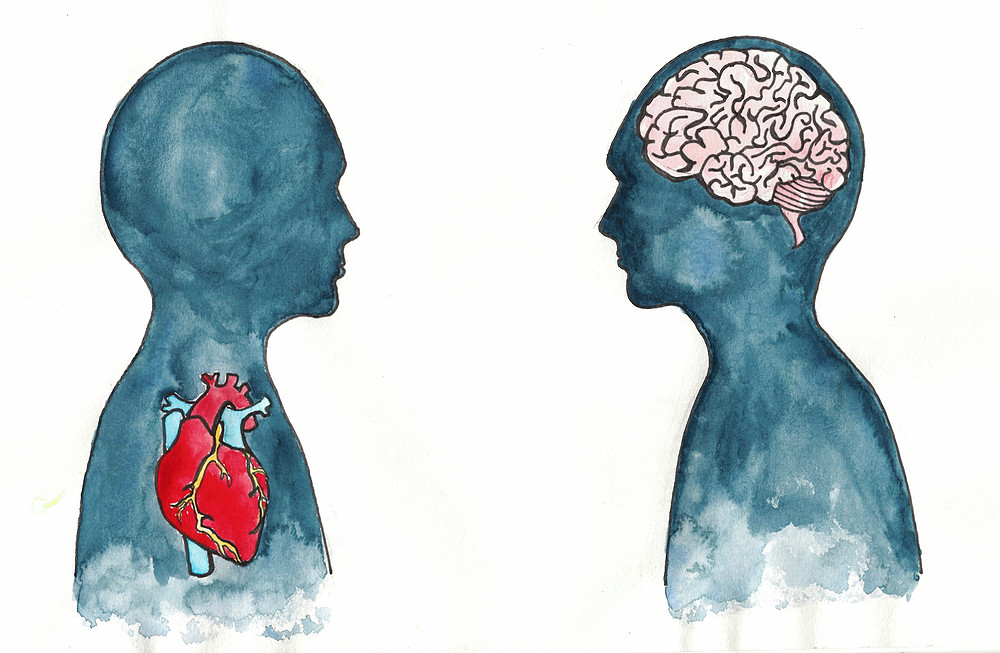
The connection between emotions and health is direct, measurable, and backed by decades of scientific research. Chronic negative emotions such as unmanaged stress, anger, fear, and grief trigger biological changes in the body including elevated cortisol, increased inflammation, suppressed immune function, and higher cardiovascular risk. On the other side, positive emotions like gratitude, optimism, and joy are linked to longer lifespan, better immune response, and a significantly lower risk of heart disease. This article covers what the science says about how each major emotion affects specific organs and systems, what signs of emotional stress look like in the body, and what you can do to support your emotional and physical health together.
What Is the Relationship Between Emotions and Health?
The relationship between emotions and health is bidirectional and deeply physical. Emotions are not abstract events that happen only in the mind. They produce real, measurable changes in hormones, the nervous system, immune cells, blood pressure, digestion, and heart function. In a large-scale cross-cultural study involving 150,048 individuals from 142 countries published in PubMed, positive and negative emotions together accounted for 46.1 percent of the variance in self-reported physical health. That figure was stronger than the relative impact of hunger, homelessness, or threats to personal safety, and it held across both developed and developing nations.
The mind and body are not separate systems that occasionally affect each other. They are one system. Every thought and feeling you have produces a biochemical reaction. Emotion literally means "energy in motion," and when that energy moves in a healthy, balanced way, the body follows. When it gets stuck, suppressed, or pushed to chronic extremes, the body carries the weight of it in very tangible ways.
We see this connection every day at our practice. People who come in carrying long-term stress, unresolved grief, or chronic anxiety are often also dealing with persistent pain, poor sleep, digestive issues, and a weakened immune system. The emotional load and the physical load are the same load. Addressing both together is what produces real, lasting change. Stress management and emotional wellness are foundational to every other aspect of physical health.
What Are 5 Signs of Emotional Stress?
The 5 signs of emotional stress are persistent fatigue even after adequate sleep, chronic muscle tension especially in the neck and shoulders, digestive disruption such as nausea or irritable bowel symptoms, frequent headaches or migraines, and noticeable changes in appetite or sleep patterns. These are not psychological symptoms. They are physical consequences of an activated stress response that is not being properly resolved.
According to Mayo Clinic, when the body's stress response stays "turned on" because stressors are constant, continuous exposure to cortisol and other stress hormones disrupts almost all of the body's processes. The immune system is suppressed, the digestive and reproductive systems are depressed, heart rate and blood pressure stay elevated, and the brain regions that control mood and fear remain hyperactive. This is not a rare situation. According to Six Seconds' 2024 State of the Heart report, global emotional intelligence and wellbeing scores have declined for four consecutive years, and the world has entered what researchers are calling an "emotional recession" marked by low wellbeing, high burnout, and reduced capacity to cope with daily stressors.
What Are 7 Warning Signs of Stress in the Body?
The 7 warning signs of stress in the body are constant fatigue, muscle aches or tension, headaches, chest tightness or a racing heart, upset digestion, frequent illness from a weakened immune system, and difficulty sleeping or waking through the night. These signs appear because the stress response directly suppresses the immune system, elevates blood pressure, diverts energy away from digestion, and keeps the nervous system in a state of alert.
Cleveland Clinic's research on stress and immune function describes how sustained, high-level stress leads to chronic inflammation, which in turn contributes to the development and progression of immune system disorders including fibromyalgia and inflammatory bowel disease, as well as cardiovascular disease, type 2 diabetes, and some cancers. A comprehensive review published in PMC, examining over 200 studies across 16 behavioral stress reduction programs, confirmed that stress impacts multiple body systems simultaneously: nervous, immune, cardiovascular, respiratory, reproductive, musculoskeletal, and the skin. Stress is not one problem. It is a whole-body condition.
Supporting pain and inflammation is often where physical relief begins for people carrying significant emotional and stress burdens in their bodies.
What Are 5 Signs That I Am Not Coping or Am Feeling Stressed?
Five signs that you are not coping or are feeling stressed are feeling easily overwhelmed by things that would not normally bother you, withdrawing from people or activities you usually enjoy, increased irritability or mood swings, difficulty concentrating or making decisions, and relying on food, alcohol, or screens to feel better. These behavioral signals often appear before the physical symptoms do, making them important early markers to take seriously.
A 2024 American Psychiatric Association poll found that 43 percent of U.S. adults reported feeling more anxious than the year before, up from 37 percent in 2023. Among those polled, 53 percent identified stress as the top factor negatively affecting their mental health. The pattern is clear: emotional overload does not stay emotional for long. It migrates into the body and begins producing physical symptoms within weeks or months of becoming chronic.
What Are the Symptoms of Emotional Damage?
The symptoms of emotional damage are persistent low mood or numbness, an inability to feel joy or pleasure in activities that once brought satisfaction, a heightened startle response, intrusive thoughts or memories, physical exhaustion without a clear medical cause, social withdrawal, and a chronic sense of helplessness or disconnect from the body. These symptoms reflect changes in the nervous system's baseline state after prolonged emotional stress or unresolved trauma.
When emotional experiences are overwhelming and do not get properly processed, the body stores the unresolved charge. Research published in Springer Nature Link confirms that psychological stress affects clinically relevant immune outcomes including inflammatory processes, wound healing, and responses to infectious agents. People with significant childhood adversity, for instance, show elevated inflammatory markers in adulthood, reduced methylation of key inflammatory genes, and higher long-term risk of cardiovascular events.
This is why emotional healing is not optional for people dealing with chronic physical illness. The body and the emotional history are not separate stories. Emotion Code sessions and other energy-based therapeutic approaches work directly with the body's stored emotional charge as part of a path toward genuine physical recovery.
What Part of the Brain Controls Emotion?
The part of the brain that controls emotion is primarily the limbic system, which includes the amygdala, hippocampus, hypothalamus, and cingulate cortex. The amygdala acts as the brain's alarm center, detecting threats and triggering the fight-or-flight response. The hypothalamus then activates the body's stress hormone cascade, releasing cortisol and adrenaline into the bloodstream within seconds of an emotional trigger.
What makes this especially relevant for physical health is that the hypothalamus connects directly to the pituitary and adrenal glands, forming the HPA axis, which governs the entire hormonal stress response. When the amygdala stays in a chronic state of alert because of ongoing emotional stress, the HPA axis stays activated, and the body remains in a sustained stress state. The Mayo Clinic describes this process as one that puts the person at higher risk for depression, anxiety, digestive problems, headaches, muscle tension, sleep problems, weight gain, memory and concentration impairment, and heart disease.
What Emotion Is Stored in the Lungs?
The emotion stored in the lungs, according to Traditional Chinese Medicine, is grief and sadness. This connection has been part of holistic healing frameworks for over 2,000 years, and modern research is increasingly finding parallels. In TCM's Five Element framework, the lungs are associated with the Metal element and are the first line of defense against the outside world. When grief or loss goes unprocessed, it depletes what TCM calls Lung Qi, leading to shallow breathing, immune weakness, fatigue, and a heightened susceptibility to respiratory illness.
A peer-reviewed analysis of mind-body interaction from the perspective of East Asian Medicine, published in PMC, confirmed these ancient patterns using text analysis of classical medical texts. The study found that sadness showed superior associative values with the heart and lungs, with lungs as a key site of the grief response. In modern psychosomatic medicine, grief has been associated with suppressed immune function, elevated inflammatory markers, and disrupted autonomic nervous system regulation, all of which are consistent with the physical toll of processed or unprocessed loss.
This is why people who are grieving often feel it in their chest and have trouble breathing fully. It is not just a metaphor. It is physiology. Respiratory health and emotional processing are genuinely connected systems in the body.
What Emotion Damages the Liver?
The emotion that damages the liver, according to Traditional Chinese Medicine and supported by research on mind-body interaction, is anger. In TCM's Five Element framework, the liver is associated with the Wood element and is responsible for the smooth, unobstructed flow of energy through the body. Chronic anger, resentment, or frustration causes what TCM calls Liver Qi stagnation, which can manifest as headaches, dizziness, high blood pressure, digestive issues, and menstrual irregularities in women.
Modern medicine supports the anger-cardiovascular link strongly. Harvard Health reports that chronic anger, worry, and hostility increase the risk of developing heart disease, as these emotions trigger raised blood pressure and stiffening of blood vessels. Research in Psychological Bulletin identified anger and hostility as risk factors for coronary artery disease. The connection makes physiological sense: anger activates the sympathetic nervous system repeatedly, chronically elevating blood pressure and promoting arterial inflammation.
A study of more than 61,000 Norwegians, cited in psychology research at Lumen Learning, identified depression as a risk factor for all major disease-related causes of death. Neuroticism, the personality trait most closely tied to chronic low-level anger, worry, and sadness, has been identified as a risk factor for chronic health problems and earlier mortality.
What Emotion Is Related to the Spleen?
The emotion related to the spleen, in Traditional Chinese Medicine, is worry and excessive overthinking. The spleen is associated with the Earth element and governs digestion, nutrient absorption, and the transformation of food into energy. When worry becomes chronic, it impairs the spleen's ability to do its work, leading to bloating, fatigue, brain fog, muscle weakness, and difficulty absorbing nutrients.
Modern medicine recognizes the gut-brain axis as a bidirectional communication highway. The digestive system has its own nervous system, called the enteric nervous system, which contains more nerve cells than the spinal cord and communicates constantly with the brain via the vagus nerve. Chronic anxiety and worry alter gut motility, stomach acid production, and the balance of beneficial bacteria in the microbiome. This is why so many people experience digestive problems during periods of high emotional stress.
Which Organ Holds Sadness?
The organ that holds sadness is the lungs and, to a significant degree, the heart. In both TCM tradition and in modern psychosomatic research, unresolved sadness manifests most consistently in the chest, affecting the depth and quality of breathing, heart rate variability, and immune resilience. The PMC study on mind-body interaction found sadness specifically associated with both the heart and the lungs across classical texts, with the lungs as the primary site and the heart as the secondary site.
Physically, people who carry unresolved sadness often exhibit shallow breathing, a rounded or collapsed posture (protecting the chest), reduced lung capacity, and a tendency toward frequent respiratory infections. The immune suppression that accompanies grief and prolonged sadness has been documented in multiple meta-analyses, including research published in Psychological Bulletin showing depression's measurable immunosuppressive effects. Addressing emotional grief through bodywork, energy therapies, and breathwork can directly support lung function and immune resilience.
What Are 7 Signs of Low Emotional Intelligence?
The 7 signs of low emotional intelligence are difficulty recognizing and naming your own emotions, frequently overreacting to situations that others handle with ease, a pattern of blaming others for your emotional state, struggling to empathize with other people's experiences, poor impulse control especially under pressure, difficulty maintaining close relationships, and a tendency to either suppress emotions entirely or be flooded by them.
Low emotional intelligence is not just a social inconvenience. It has measurable health consequences. A meta-analysis of 44 effect sizes involving 7,898 participants found that higher emotional intelligence was associated with better health, with a weighted average correlation of r = .29 with mental health outcomes. Research published in Cureus in 2023 found that low emotional intelligence acts as a precursor to depression, anxiety, and stress disorders in adolescents. The 2024 Six Seconds State of the Heart report found that global emotional intelligence scores have dropped 5.54 percent over the past four years, with every individual competency declining, contributing to what researchers are calling a global emotional recession.
The good news is that emotional intelligence is a skill, not a fixed trait. It can be learned and strengthened at any age, and doing so has direct protective effects on physical health. Access Bars therapy is one tool we offer that works directly with the patterns of thought and emotion that keep people stuck in reactive cycles.
What Are 5 Ways to Manage Emotions for Better Health?
Five ways to manage emotions for better health are building consistent stress reduction practices into your daily routine, developing the ability to name and feel emotions without suppressing or being overwhelmed by them, maintaining regular physical movement to help the body discharge stored stress, prioritizing quality sleep as a core emotional regulation tool, and seeking support through therapy, energy work, or bodywork when emotional patterns are deeply rooted.
The NIH notes that having a positive outlook does not mean avoiding negative emotions. It means finding a balance, allowing emotions to move through rather than pile up. Research from the University of North Carolina published by NIH confirms that positive emotions expand awareness, open the mind to new possibilities, and build psychological and physical resilience over time. The key word is "move." Emotions that move through the body are healthy. Emotions that get stuck, suppressed, or repeated on a loop are where the damage accumulates.
Somatic therapies, massage, and energy-based healing work support this movement process at a deep level. Massage therapy is not just muscular relief. It activates the parasympathetic nervous system, lowers cortisol, and creates a physiological state where held emotional tension can begin to release.
What Is the Hardest Emotion to Control?
The hardest emotion to control is anger, according to most psychological research, because it activates the fastest and most intense physiological response of any emotion. The amygdala triggers the anger response within milliseconds, flooding the body with adrenaline and cortisol before the rational prefrontal cortex has time to evaluate the situation. This is why anger so often feels like it comes before the thought.
Fear is a close second, particularly chronic, low-level fear or anxiety, which is harder to identify and address than acute anger. In TCM tradition, fear is the emotion of the kidneys. The adrenal glands, which sit on top of the kidneys, produce cortisol and norepinephrine in response to threatening situations, making the kidney-fear connection physiologically accurate in both ancient and modern frameworks. Chronic fear depletes what TCM calls Kidney Qi, manifesting as low back pain, urinary issues, reproductive difficulty, and a general depletion of vitality and willpower.
Both anger and fear respond well to regular nervous system regulation practices. BrainTap sessions use guided audio and brainwave entrainment to shift the nervous system from reactive, fight-or-flight states into calmer, more regulated ones, which directly reduces the physiological grip of both emotions over time.
What Is the Golden Rule of Mental Health?
The golden rule of mental health is that you cannot pour from an empty cup. Sustainable mental and emotional health requires that you actively invest in your own wellbeing, not just manage symptoms or push through. This means treating rest, emotional expression, connection, movement, and joy as non-negotiable parts of your life rather than rewards you earn after everything else is done.
The Harvard Study of Adult Development, one of the longest-running studies on human wellbeing spanning more than 80 years, found that the quality of relationships is the single most consistent predictor of happiness, health, and longevity, more than wealth, fame, or IQ. The study's current directors Dr. Robert Waldinger and Dr. Marc Schulz, writing in their 2023 book The Good Life, confirmed that emotional capabilities like empathy, self-awareness, and the courage to maintain connection are not just soft skills. They shape the very quality and length of our lives.
How Do Positive Emotions Protect Your Health?
Positive emotions protect your health by reducing cortisol, lowering systemic inflammation, strengthening immune function, improving heart rate variability, and supporting healthier behavior choices. A 10-year longitudinal study of 1,500 adults found that even in the presence of risk factors like high cholesterol and hypertension, people with more positive emotions had a 22 percent lower risk of developing heart disease compared to those who did not report being happy, according to research published in PMC.
Optimism specifically has been linked to longer lifespan. Research funded by the National Institute on Aging and published in the Journal of the American Geriatrics Society, with collaboration from Harvard University, Boston University School of Medicine, and multiple other institutions, found that higher levels of optimism were associated with a longer lifespan and exceptional longevity, defined as surviving to age 85. These findings held after controlling for chronic physical conditions and health behaviors.
Gratitude, a specific positive emotion, showed similar protective effects. A 2024 Harvard study published in JAMA Psychiatry involving more than 49,000 women found that those who reported the highest levels of gratitude had a 9 percent lower risk of dying over the following three-year period compared to those who reported the least gratitude. These are not small or incidental findings. They represent meaningful, measurable biological protection that positive emotional states provide.
The table below summarizes the key emotion-organ-health connections drawn from both modern research and Traditional Chinese Medicine, along with documented physical effects.
EmotionAssociated Organ (TCM)Modern Research LinkPhysical Effects When ChronicAnger / ResentmentLiverCardiovascular disease risk, elevated blood pressureHeadaches, hypertension, arterial stiffness, digestive issuesGrief / SadnessLungsImmune suppression, autonomic dysregulationShallow breathing, frequent infections, chest tightness, fatigueFear / AnxietyKidneys / AdrenalsHPA axis dysregulation, chronic cortisol elevationLow back pain, urinary issues, insomnia, adrenal fatigueWorry / OverthinkingSpleen / StomachGut-brain axis disruption, altered gut motilityBloating, IBS, poor nutrient absorption, brain fogChronic StressHeart / MultipleInflammation, immune suppression, metabolic syndromeCardiovascular disease, diabetes risk, cancer susceptibilityGratitude / OptimismHeart9% lower mortality (Harvard 2024), 22% lower heart disease riskLower cortisol, better sleep, stronger immunityJoy / ConnectionHeartLonger lifespan, lower cardiovascular risk (Harvard 80-year study)Reduced inflammation, better heart rate variability
Sources: Traditional Chinese Medicine Five Element Theory; PMC Mind-Body Interaction East Asian Medicine study 2017; Harvard Health, JAMA Psychiatry 2024; National Institute on Aging optimism and longevity studies; Psychological Bulletin meta-analyses on anger, depression, and cardiovascular risk; Cleveland Clinic immune system and stress research; PMC Behavioral Stress Reduction Programs review 2024; Six Seconds State of the Heart Report 2024; Mayo Clinic stress research.
How Do Emotions Change with Age?
Emotions change with age in measurable and largely positive ways for most people. Research consistently shows that older adults experience fewer negative emotions, have greater emotional regulation, and report higher levels of satisfaction and contentment compared to younger adults, even when facing greater physical limitations. The Harvard Study of Adult Development found that between ages 50 and 75, participants were four times more likely to use emotionally intelligent coping strategies compared to immature ones.
The Six Seconds research on emotional intelligence supports this trend, showing that the capacity to identify, understand, and manage emotions typically grows stronger across the lifespan. However, this positive aging pattern is not automatic. It depends on whether a person has actively processed their emotional experiences rather than suppressed or avoided them. Unresolved emotional patterns do not automatically improve with age. They often become more entrenched.
This is why addressing emotional health now, regardless of age, matters. The investment builds forward. Supporting mental health and cognitive function through both emotional processing and the right holistic tools creates resilience that pays dividends across decades of life.
What Is the #1 Worst Habit for Anxiety?
The number one worst habit for anxiety is avoidance. When a person consistently avoids the thoughts, feelings, situations, or conversations that trigger anxiety, the brain learns that those things are genuinely dangerous, and the anxiety response grows stronger over time, not weaker. Avoidance provides short-term relief but creates a long-term cycle of escalating fear and shrinking life.
Other habits that make anxiety significantly worse include chronic sleep deprivation, which raises the amygdala's reactivity to emotional triggers; excessive caffeine, which mimics the physical sensations of anxiety; constant news and social media consumption, which keeps the threat-detection system on high alert; and physical inactivity, which leaves cortisol and adrenaline with no outlet. A 2024 American Psychiatric Association poll found that 43 percent of adults reported feeling more anxious than the previous year, with stress and poor sleep identified as the top contributing factors.
What Is the Relationship Between Emotional Stress and the Immune System?
The relationship between emotional stress and the immune system is one of suppression and dysregulation. Research over three to four decades has clearly established that psychological stress affects clinically relevant immune outcomes including inflammatory processes, wound healing, and the body's responses to infectious agents, vaccines, cancer cells, and autoimmune triggers, according to a comprehensive review published in Springer Nature Link.
When stress is short-term, the immune response is actually briefly enhanced, part of the body's preparation for a threat. But when stress is chronic, the immune system becomes exhausted. Chronically elevated cortisol suppresses the production of protective white blood cells, impairs the communication between immune cells, and promotes systemic inflammation. Cleveland Clinic's immunology research confirms that this sustained inflammation contributes directly to fibromyalgia, inflammatory bowel disease, autoimmune conditions, and increased vulnerability to infections.
Work-related stressors in particular have been tied to elevated levels of C-reactive protein (CRP) and interleukin-6 (IL-6), two of the most clinically significant inflammatory markers associated with cardiovascular disease, according to research cited in ScienceDirect. Supporting the body's detoxification and immune function is inseparable from addressing the emotional and stress load being carried.
Frequently Asked Questions
Can Negative Emotions Make You Physically Sick?
Yes, negative emotions can absolutely make you physically sick, and this is not speculation. It is supported by decades of rigorous research. A study involving 150,048 people across 142 countries found that emotions together accounted for 46.1 percent of the variance in physical health outcomes, a stronger predictor than hunger or lack of shelter. Chronic anger, fear, and grief trigger the sustained activation of the HPA stress axis, which suppresses immune function, elevates inflammatory markers, raises blood pressure, and over time contributes to the development of cardiovascular disease, digestive disorders, autoimmune conditions, and metabolic disease. Mayo Clinic lists heart disease, weight gain, digestive problems, headaches, sleep disruption, and impaired memory as direct physical consequences of chronic emotional stress.
What Are the Physical Signs of Unresolved Emotional Trauma?
The physical signs of unresolved emotional trauma include chronic muscle tension (especially in the neck, jaw, hips, and shoulders), frequent illness due to immune suppression, persistent fatigue with no clear medical cause, digestive problems, disrupted sleep, heightened sensitivity to pain, shallow or restricted breathing, and cardiovascular irregularities such as high blood pressure or palpitations. These physical signs emerge because unresolved trauma keeps the nervous system in a chronic state of low-level alert, maintaining elevated cortisol and inflammatory markers long after the original event has passed. Research in Springer Nature Link confirms that childhood adversity specifically is associated with elevated inflammatory markers, reduced methylation of key immune genes, and higher risk of cardiovascular events in adulthood.
How Does Grief Affect the Body Physically?
Grief affects the body physically by suppressing immune function, disrupting sleep, elevating cortisol and inflammatory markers, altering heart rate variability, and reducing respiratory depth and capacity. The lungs and heart are the organs most directly affected, consistent with both Traditional Chinese Medicine's ancient frameworks and modern psychosomatic research. Studies show that people who are actively grieving have measurably weaker immune responses, which is why illness is so common in the weeks and months following significant loss. A PMC mind-body interaction study confirmed that sadness is associated most strongly with the heart and lungs, the two organs central to sustaining life, energy, and breath. Supporting the body through grief requires both emotional and physical care at the same time.
What Does Chronic Anger Do to the Body Over Time?
Chronic anger does significant damage to the body over time. It repeatedly activates the sympathetic nervous system, keeping blood pressure elevated, promoting arterial inflammation, and increasing the risk of coronary artery disease and stroke. Harvard Health confirms that chronic anger and hostility increase cardiovascular disease risk by raising blood pressure and stiffening blood vessels. Research published in Psychological Bulletin identified anger and hostility as independent risk factors for coronary heart disease. In Traditional Chinese Medicine, chronic anger is associated with Liver Qi stagnation, which modern medicine maps closely to the physiological effects of repeated sympathetic nervous system activation: high blood pressure, headaches, tension, and digestive disruption. Over years and decades, unmanaged anger creates cumulative cardiovascular and metabolic damage that is difficult to reverse.
Can Improving Emotional Health Improve Physical Health?
Yes, improving emotional health directly and measurably improves physical health. A 10-year study of 1,500 adults found a 22 percent lower risk of heart disease in those with positive emotional states, even when other risk factors were present. A 2024 Harvard study involving more than 49,000 women found that the highest levels of gratitude were associated with a 9 percent lower mortality risk over three years. Research from the National Institute on Aging found that optimism is associated with exceptional longevity and surviving into the mid-80s or beyond. These are not marginal effects. They represent substantial, life-extending biological benefits that come directly from cultivating a healthier emotional inner life. Emotional health is physical health.
What Is the Connection Between Mental Health and the Immune System?
The connection between mental health and the immune system is direct and well-established. Psychological stress, depression, and anxiety all measurably suppress immune function by reducing the production of protective white blood cells, impairing communication between immune cells, and promoting chronic low-grade inflammation. A 2023 review published in PMC covering stress-induced immune responses confirmed that stress triggers peripheral immune responses that contribute to the onset and progression of depression, inflammatory bowel disease, metabolic syndrome, obesity, and coronary artery disease. Conversely, positive emotional states, social connection, and effective stress management have all been shown to strengthen immune markers, improve vaccine responses, and accelerate wound healing. Mental and immune health are managed by the same hormonal and neurological systems.
What Holistic Approaches Help Emotional and Physical Health Together?
Holistic approaches that help emotional and physical health together include energy-based therapies like Reiki and Emotion Code, somatic bodywork such as massage therapy, nervous system regulation through brainwave entrainment and guided meditation, breathwork, nutritional support to address the biochemical effects of chronic stress, and consistent movement to help the body discharge accumulated stress hormones. These approaches work because they address the body-emotion connection at the level where it actually lives, in the nervous system, the hormonal system, and the body's stored patterns of tension and reactivity. Unlike approaches that treat the mind and body separately, holistic therapies recognize that lasting change requires working with both at the same time.
The Takeaway
The connection between emotions and health is not a theory. It is one of the most consistently documented findings in modern medical research. Chronic negative emotions trigger real biological changes including elevated inflammation, suppressed immunity, cardiovascular strain, digestive disruption, and hormonal imbalance. Positive emotions like gratitude, optimism, and genuine connection produce the opposite: lower cortisol, stronger immune function, better sleep, and a measurably longer life. The body does not separate the emotional from the physical. Neither should you.
Every emotion you carry moves through your organs, your nervous system, and your cells. Addressing your emotional health is not a soft extra on top of your real health plan. It is at the center of it. If you are carrying chronic stress, unresolved grief, persistent anxiety, or emotional patterns that keep your body in a state of tension, there are real, evidence-based approaches that can help. At Quantum Healing & Wellness, we offer a full range of holistic therapies that work with the mind-body connection directly. Reach out through our contact page to schedule a free 15-minute consultation with Dr. Adams and take the first step toward whole-body healing.
Read our recent Blogs
Quantum Healing and Wellness PMA in Westchester NY is commited to wellness conent for you









.avif)
.png)

.png)