


.avif)



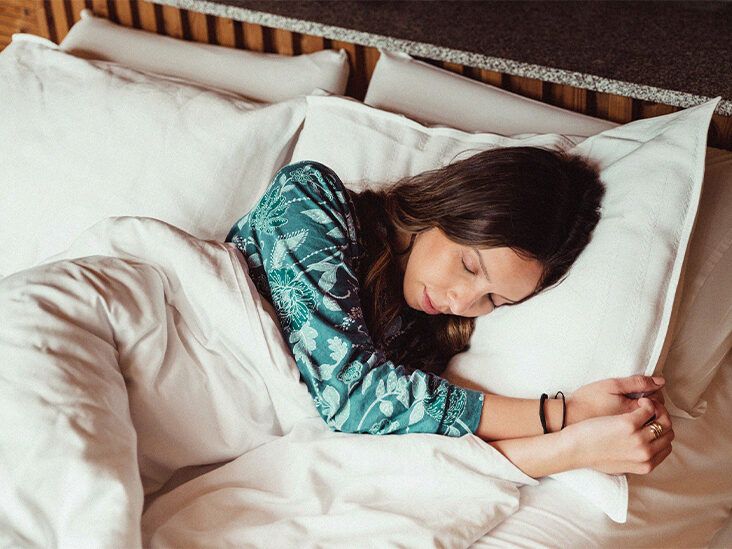
You can sleep better naturally by waking at the same time every day, getting morning sunlight within an hour of rising, cutting caffeine six hours before bed, stopping alcohol in the evening, powering down screens an hour before sleep, and keeping your bedroom cool and dark. Those six changes work because they act on the two systems that decide when you fall asleep and how deeply you stay asleep. Below we walk through each one, explain the biology behind it, and cover what to do on the nights you are still staring at the ceiling at 3am.
What Are the Natural Ways to Sleep Better?
The natural ways to sleep better are a fixed wake time, morning daylight exposure, daytime movement, short early naps, a caffeine cutoff six hours before bed, no alcohol in the evening, a screen cutoff an hour before bed, a warm bath or shower 90 minutes before bed, and a bedroom held between 60 and 67 degrees Fahrenheit in full darkness. Each of those habits pushes on one of three levers: the timing of your internal clock, the quality of your evening wind-down, or the physical condition of your bedroom.
Those three levers matter more than most people expect. The Centers for Disease Control and Prevention reported that 30.5 percent of American adults slept under seven hours a night in 2024, and only 54.8 percent woke up feeling well rested. The American Academy of Sleep Medicine sets the adult target at seven hours or more. We see the gap between those two numbers walk through our doors constantly, and in most cases the cause is behavioral timing rather than a medical problem. People with ongoing sleep disorders still benefit from these same foundations, because every treatment works better on top of a stable clock.
The table below maps each natural method to what it actually changes in the body and when to do it, drawing on measurements from the CDC, the American Academy of Sleep Medicine, Harvard Medical School, and biomedical researchers at the University of Texas at Austin.
Natural Sleep MethodWhat It Changes in the BodyWhen to Do ItFixed wake timeAnchors the circadian rhythm and sets melatonin release roughly 14 to 16 hours laterSame clock time daily, weekends includedMorning sunlightShuts off residual melatonin and starts the countdown to the next night's release15 to 30 minutes outdoors within an hour of wakingModerate exerciseIncreases slow wave sleep and lowers insomnia severity scoresMost days, finished 2 to 3 hours before bedShort napsRestores alertness without draining the sleep pressure you need at night20 to 30 minutes, before 3pmCaffeine cutoffStops adenosine blockade so sleep pressure can build normallyLast cup at least 6 hours before bedNo evening alcoholProtects REM sleep and prevents the second-half rebound that wakes youSkip it, or finish at least 4 hours before bedScreen cutoffPrevents blue light from suppressing melatonin and delaying your clock60 minutes before bedWarm bath or showerPulls blood to the skin so core body temperature drops faster afterward10 minutes at 104 to 109°F, 90 minutes before bedCool bedroomLets body heat escape so the core temperature drop that triggers sleep can finish60 to 67°F all nightFull darknessKeeps melatonin flowing through the night instead of cutting it shortFrom lights out until your alarm
Every method in that table traces back to the same pair of biological systems. Those two systems are worth knowing by name, because once you know them, none of these habits feels arbitrary.
How Does Your Body Clock Control Sleep?
Your body clock controls sleep through two separate systems working at once: circadian timing, which decides when you feel sleepy, and sleep pressure, which decides how strongly you feel it. Circadian timing runs on a roughly 24-hour cycle set by a cluster of cells in the brain that take their cue from light hitting your eyes.
Light hitting your eyes in the morning tells that cluster the day has started. The cluster then schedules melatonin, the hormone that signals night, to release about 14 to 16 hours later. Melatonin release is what produces the drowsy, heavy-eyed feeling you get in the evening, and it is why your sleepiness arrives at a predictable hour rather than whenever you decide you are tired.
Sleep pressure works on a different mechanism entirely. From the moment you wake, a molecule called adenosine accumulates in the brain, and rising adenosine is what makes you feel progressively more tired across the day. Adenosine clears out while you sleep, which is why you wake up with the pressure reset to near zero. Good sleep happens when high adenosine pressure and the melatonin signal arrive at the same time, and poor sleep happens when they fall out of sync.
Why Does Waking Up at the Same Time Every Day Improve Sleep?
Waking up at the same time every day improves sleep because your wake time, not your bedtime, is what sets the circadian clock. Your wake time determines when you get your first light exposure, and that first light exposure is the signal that schedules melatonin for the following night.
Scheduling melatonin at a consistent hour produces a consistent bedtime without any effort on your part. Most people attack the problem from the other end, forcing themselves into bed at 10pm while their clock is still releasing melatonin at midnight, and then lying awake blaming themselves. A fixed wake time fixes the input instead of fighting the output.
Pick the wake time you need on your busiest weekday and hold it every single day. Holding it on weekends is the part people resist, and it is also the part that does the most work.
Can You Catch Up on Sleep on the Weekend?
You cannot fully catch up on sleep on the weekend, and sleeping in past your usual wake time pushes your clock later in a way that makes Sunday night worse. Pushing your clock later by two or three hours over a weekend creates the same internal misalignment as flying across time zones, which is why Monday morning feels like jet lag.
Jet lag of that kind resolves slowly, usually at about one hour of clock shift per day. A single extra hour on Saturday is survivable. Three extra hours on both weekend mornings costs you most of the following week. If you are short on sleep, add an afternoon nap rather than a late morning, since the nap leaves your wake time untouched.
How Long Does It Take to Fix Your Sleep Schedule?
Fixing your sleep schedule takes about one to two weeks of a consistent wake time, and larger shifts take longer because the circadian clock moves roughly one hour per day. A clock moving one hour per day means a three-hour correction needs about three days of light discipline, plus another week for sleep quality to settle.
Sleep quality settling is the part worth waiting for. The first three or four nights of a new wake time usually feel worse, because you are tired at the new hour before you are sleepy at the new hour. Hold the wake time through that stretch and the sleepiness catches up.
How Does Morning Sunlight Help You Sleep at Night?
Morning sunlight helps you sleep at night by shutting down leftover melatonin and starting the 14 to 16 hour countdown to the next evening's melatonin release. That countdown is the single most reliable natural sleep tool you have, and it costs nothing.
Cost is not the obstacle. Brightness is. Outdoor daylight on an overcast morning delivers around 10,000 lux, while a well-lit kitchen delivers somewhere near 300 lux. Three hundred lux is nowhere near enough to move the clock, which is why people who wake in a lit house and drive to a lit office never get the signal their brain is waiting for. Getting the signal means going outside, with no sunglasses, and facing the general direction of the sky rather than the ground.
Evening light works in the opposite direction, and the contrast is the whole point. Harvard Health researchers found that as little as eight lux, dimmer than most table lamps, measurably interferes with melatonin secretion. Bright mornings and dim evenings are the pattern your clock evolved to read.
How Long Should You Get Morning Sunlight?
You should get 15 to 30 minutes of outdoor morning sunlight within an hour of waking, and closer to 30 minutes on cloudy days. Cloudy days still deliver several thousand lux outdoors, far above anything indoors, so overcast weather is a reason to stay out longer rather than to skip it.
Skipping it is easy in winter, when you wake before sunrise. Go outside at the first available daylight instead, even if that means stepping out during a morning break. Combining the light with a walk gives you two sleep inputs at once.
Does Exercise Help You Sleep Better?
Yes, exercise helps you sleep better, and it produces some of the largest measured improvements of any natural approach. Measured improvements come from several directions at once: deeper slow wave sleep, faster sleep onset, and lower insomnia severity.
A 2025 network meta-analysis published in BMJ Evidence-Based Medicine found that yoga increased total sleep time by about 111 minutes compared with usual care, tai chi added roughly 52 minutes, and walking or jogging cut Insomnia Severity Index scores by about 9.6 points. A separate systematic review in PeerJ reported that exercise lowered Pittsburgh Sleep Quality Index scores by 2.87 points and Insomnia Severity Index scores by 3.22 points. Those numbers put movement in the same range as treatments people expect to need a prescription for.
You do not need a prescription or a gym. Thirty minutes of moderate activity most days, at an intensity where you can talk but not sing, covers the evidence base. Walking counts, gardening counts, and a yoga class counts.
What Time Should You Exercise for Better Sleep?
You should finish vigorous exercise two to three hours before bedtime, because hard training releases endorphins and raises core body temperature, and both signals tell your body to stay awake. Core body temperature in particular needs to fall for sleep to begin, and a hard workout holds it elevated for a couple of hours afterward.
A couple of hours is the buffer, not a hard rule. Light evening movement like stretching or an easy walk has no such effect and often helps. Morning exercise carries a bonus, since training outdoors stacks your daylight exposure onto your workout.
How Long Should a Nap Be and When Should You Take It?
A nap should be 20 to 30 minutes long and taken before 3pm, because that length restores alertness without spending the adenosine pressure you need for nighttime sleep. Adenosine pressure is the currency here, and a long late nap spends it when you can least afford to.
Spending it has a visible cost. A 90-minute nap at 5pm can leave you lying awake at 11pm with no sleepiness at all, which people then interpret as insomnia rather than as the nap doing exactly what naps do. A 25-minute nap at 1pm has almost no effect on that night.
Twenty to thirty minutes also keeps you out of deep sleep. Waking out of deep sleep produces sleep inertia, the thick-headed grogginess that can last half an hour, and a short nap ends before deep sleep begins.
Is a 1 Hour Nap Better Than No Sleep?
A 1 hour nap is better than no sleep when you are genuinely sleep deprived, but it is worse than a 20 to 30 minute nap for anyone trying to rebuild a normal sleep schedule. Anyone rebuilding a schedule needs the evening sleep pressure intact, and an hour of daytime sleep takes a real bite out of it.
The exception is a night of true deprivation, after a long flight or a sick child or a night shift. In that situation an hour of recovery sleep restores far more alertness than pushing through, and the schedule disruption is the smaller problem. Take it early in the afternoon and return to your fixed wake time the next morning.
When Should You Stop Drinking Caffeine to Sleep Better?
You should stop drinking caffeine at least six hours before bed, because caffeine blocks the adenosine receptors that create sleep pressure and the effect lasts far longer than most people assume. How long it lasts was measured directly in a study published in the Journal of Clinical Sleep Medicine, where 400 milligrams of caffeine, roughly two to three cups of coffee, taken six hours before bedtime reduced objectively measured total sleep time by more than one hour.
More than one hour of lost sleep from an afternoon coffee is striking on its own. The more useful finding is that participants did not notice. Their sleep diaries showed no awareness of the disruption, which means afternoon caffeine quietly costs people sleep they never connect back to the cup.
Connect it back by counting backward from your bedtime. An 11pm bedtime means a 5pm cutoff, and that cutoff covers soda, energy drinks, green tea, and dark chocolate alongside coffee. Evening eating patterns matter too, since a heavy late meal competes with sleep onset, and nutritional counseling is where we usually sort that out with people whose evenings have drifted.
Does Alcohol Help You Sleep?
No, alcohol does not help you sleep. It helps you lose consciousness faster and then damages the second half of your night. The second half of the night is where the damage concentrates, and that pattern is consistent across the research.
Research published in Alcoholism: Clinical and Experimental Research, reviewing 27 studies, found that alcohol reduced REM sleep at every dose tested and increased wakefulness after sleep onset later in the night. REM sleep is where the brain consolidates memory and processes emotion, so losing it costs you the restorative part of the night even when total hours look fine on a tracker.
A tracker also will not show you the rebound. As your body metabolizes alcohol over three to four hours, the sedative effect reverses into a stimulant effect, and that reversal is one of the most common reasons people find themselves wide awake between 2am and 4am. People who drink two glasses of wine with dinner and then blame their mattress are usually looking at this mechanism.
How Long Before Bed Should You Turn Off Screens?
You should turn off screens 60 minutes before bed, because the blue wavelengths in phone, tablet, and television displays suppress melatonin and push your circadian clock later. Pushing the clock later is the lasting cost, since the effect does not end when you put the phone down.
Putting the phone down late was tested at Brigham and Women's Hospital and Harvard Medical School, where participants who read from a light-emitting tablet before bed took roughly 10 minutes longer to fall asleep, produced less REM sleep, and showed a 1.5-hour delay in their circadian timing after five evenings. A 1.5-hour delay means the melatonin release that used to arrive at 10pm now arrives at 11:30pm, every night, until the pattern changes.
Changing the pattern is simpler than it sounds. Charge your phone outside the bedroom, switch to paper reading, and dim the overhead lights in the last hour. Lamps at knee height rather than ceiling height make a surprising difference, since light entering the lower half of your visual field has less effect on the clock.
Does Blue Light Really Affect Sleep?
Yes, blue light really affects sleep, and it does so more powerfully than other wavelengths at the same brightness. Brightness being equal, Harvard Medical School researchers compared 6.5 hours of blue light exposure with 6.5 hours of green light and found that blue light suppressed melatonin for about twice as long and shifted circadian rhythms by three hours versus 1.5 hours.
Three hours of circadian shift from evening light is a large effect for something that feels harmless. Night mode settings and amber glasses reduce the blue content but not the brightness or the mental stimulation, so they help without solving it. Turning the screen off remains the version that works.
What Should Your Wind-Down Routine Look Like Before Bed?
Your wind-down routine should run about 90 minutes and move in one direction: brighter to dimmer, warmer to cooler, active to still. Moving in one direction gives your nervous system a sequence it can learn, and a learned sequence starts producing drowsiness on its own within a couple of weeks.
Here is the sequence we give people, in order:
- 90 minutes out: finish eating, take your warm bath or shower, and lower the household lights.
- 60 minutes out: screens off and phone out of the bedroom.
- 45 minutes out: write down tomorrow's tasks and anything circling in your head, on paper, so your brain stops rehearsing it.
- 30 minutes out: read something undemanding, stretch gently, or listen to quiet music.
- 15 minutes out: set the bedroom temperature, close the blackout curtains, and run a short breathing or meditation practice.
- Lights out: get into bed only when you feel sleepy, not merely tired.
Physical tension makes that sequence harder than it needs to be. Shoulders and jaw that stay clenched through the evening keep the nervous system in a state that resists sleep onset, which is why massage therapy shows up so often in the routines of people who sleep well. Releasing that tension earlier in the evening leaves less for your body to unwind at bedtime.
Does a Warm Bath Before Bed Help You Sleep?
Yes, a warm bath before bed helps you sleep, and the timing matters more than the temperature. Timing was quantified by biomedical engineers at the University of Texas at Austin, whose systematic review found that water between 104 and 109 degrees Fahrenheit, for as little as 10 minutes, scheduled one to two hours before bedtime, shortened the time to fall asleep by an average of 10 minutes and improved sleep efficiency.
Sleep efficiency improves because of what happens after you get out, not during. Warm water pulls blood toward the skin of your hands and feet, and that redistribution dumps heat from your core into the room once you step out. Dumping core heat accelerates the natural temperature drop that triggers sleep onset, which is also why a bath 15 minutes before bed does not work: your core is still elevated when your head hits the pillow.
Heat applied earlier in the evening follows the same logic, which is one reason an infrared sauna session fits naturally into an evening routine rather than a morning one. Leave the 90-minute window before bed open either way.
What Is the Tongue Trick to Fall Asleep?
The tongue trick to fall asleep is resting the tip of your tongue lightly against the roof of your mouth, just behind your front teeth, while you breathe slowly through your nose. Breathing slowly through your nose in that position encourages a longer exhale, and a longer exhale is what actually drives the effect.
The effect comes from the vagus nerve. Exhales longer than inhales activate the parasympathetic branch of the nervous system, which lowers heart rate and blood pressure and moves the body out of alert mode. A simple version is to inhale for four counts, hold for four, and exhale for six to eight, repeated eight or ten times.
Breathwork and hands-on energy work aim at the same target from different angles. Reiki sessions, for example, are built around moving the body out of that alert state, and clients often tell us the first thing they notice afterward is how quickly they fall asleep that night.
How Does Meditation Help You Sleep?
Meditation helps you sleep by interrupting the mental rehearsal loop that keeps the brain alert after the body is ready to rest. That rehearsal loop is what most people describe as a racing mind, and it is a state of cognitive arousal rather than a lack of tiredness.
Cognitive arousal responds well to structured attention. Guided meditation, body scans, and progressive muscle relaxation all give the mind a narrow task, and a narrow task crowds out the loop without requiring you to force anything. Ten minutes is enough to notice a difference, and the effect strengthens with repetition.
Repetition is easier with structure, which is why guided audio tends to beat silent practice for beginners. BrainTap sessions combine guided meditation with light and sound patterns that walk the brain down into slower wave activity, and we often use them with clients whose main obstacle is a mind that will not stop working at 11pm.
What Temperature Should Your Bedroom Be for Sleep?
Your bedroom should be between 60 and 67 degrees Fahrenheit for sleep, because your core body temperature needs to fall by about one degree for sleep to begin and a warm room blocks that drop. Blocking the drop is the most common environmental sleep problem we see, and it is also the cheapest one to fix.
Fixing it means treating the room as a heat sink. Set the thermostat into the low 60s, use breathable cotton or linen bedding rather than synthetics that trap heat, and sleep in layers you can shed at 2am instead of one heavy duvet. Uncovering your feet works better than most people expect, since the feet are one of the body's main heat release points.
Temperature is the first of three bedroom variables. The other two are light and sound, and both deserve the same attention.
How Dark and Quiet Should Your Bedroom Be for Sleep?
Your bedroom should be dark enough that you cannot see your own hand in front of your face, and quiet enough that no single sound stands out against the background. A single sound standing out is what fragments sleep, which is why steady background noise often works better than silence.
These adjustments handle most bedrooms:
- Blackout curtains or a contoured sleep mask, since even eight lux measurably suppresses melatonin
- Electrical standby lights covered with tape, including the router, television, and charger bricks
- Clock faces turned away from the bed, which also removes the urge to check the time at 3am
- A white noise machine or fan to mask traffic, neighbors, and plumbing
- A flashlight or very dim amber nightlight for bathroom trips instead of the overhead light
- Pets and children in their own sleeping spaces, since both fragment sleep without waking you fully
Keeping the bed reserved for sleep belongs on the same list. Working, eating, and watching television in bed teach the brain to associate the bed with alertness, and that association is hard to unlearn once it forms.
Should You Stay in Bed If You Can't Sleep?
No, you should not stay in bed if you can't sleep. Get up after about 20 minutes and go to another room until you feel sleepy again. Twenty minutes is the threshold because lying awake longer than that trains your brain to link your bed with frustration rather than sleep.
Frustration in bed is self-reinforcing. The longer you lie there willing yourself to sleep, the more alert you become, and the stronger the association grows. Getting up breaks the link, which is why this technique, called stimulus control, is one of the core components of the behavioral approach to insomnia that the American College of Physicians recommends as first-line care.
First-line care works, and the numbers are good: that behavioral approach succeeds in an estimated 70 to 80 percent of treated patients. Stress is usually the fuel underneath the whole pattern, and the relationship between stress and sleep runs both directions, with each one worsening the other until something interrupts the cycle.
What Should You Do at 3am When You Can't Sleep?
At 3am when you can't sleep, get out of bed, keep the lights very low, and do something quiet and boring until you feel sleepy, then go back to bed. Keeping the lights low is the part people get wrong, because bright light at 3am tells your clock that morning has arrived and shifts your whole rhythm earlier.
Shifting your rhythm is not what you want at 3am. Read a few pages of something dull under a dim lamp, fold laundry, or sit and breathe. Leave the phone where it is, since a screen at 3am both suppresses melatonin and pulls you into content that wakes you further.
Do not calculate how many hours you have left. That arithmetic raises arousal every time, and the anxiety it produces does more damage than the lost sleep. People who wake this way several nights a week are usually dealing with a pattern rather than a bad night, and persistent trouble sleeping deserves a real look at what is driving it.
Why Do You Wake Up at 3am Every Night?
You wake up at 3am every night because of one of four common causes: evening alcohol, a late-day cortisol pattern driven by stress, a bedroom that has warmed up overnight, or simply surfacing between sleep cycles and then staying awake. Surfacing between cycles is normal, and everyone does it several times a night.
Everyone does it, but not everyone notices. Sleep runs in cycles of about 90 minutes, and brief awakenings at the seams are a standard feature of healthy sleep. What turns a two-second awakening into a two-hour one is what happens next, which is usually checking the clock, doing the arithmetic, and triggering the stress response.
The stress response at 3am also has a hormonal partner. Cortisol begins rising in the second half of the night to prepare you for morning, and in people under sustained stress that rise starts earlier and climbs harder. Add alcohol metabolizing at the same hour and the 3am wake-up becomes almost predictable.
What Is the Strongest Natural Sleep Aid?
The strongest natural sleep aid is a fixed wake time paired with morning daylight, because that combination resets the circadian clock that every other habit depends on. Every other habit depends on it in a literal sense: a cool dark bedroom cannot help you if melatonin is not scheduled to arrive, and no amount of evening wind-down fixes a clock that is running two hours late.
Running late is the actual problem for most people who describe themselves as poor sleepers. UCLA Health reports that 20 to 30 percent of people sleep poorly, while about 10 percent have chronic insomnia, and the American College of Physicians estimates 6 to 10 percent of American adults meet the full diagnostic criteria for insomnia disorder. The gap between those figures is largely made up of people whose clocks are misaligned rather than broken.
Behavioral change is also what the evidence favors over anything you can buy. The American College of Physicians recommends behavioral treatment as the first-line approach for chronic insomnia, ahead of medication, on the strength of its durability: the gains hold after treatment ends. We take the same position with members who come to us for sleep support, which is why we start with the clock before we start with anything else.
How Long Does It Take for Natural Sleep Habits to Work?
Natural sleep habits take about two to four weeks to show a clear, stable improvement, with the first changes usually appearing in the second week. The second week is when most people report falling asleep faster, and depth of sleep tends to follow a week or two after that.
Falling asleep faster first makes sense biologically, since sleep onset responds to light and temperature quickly, while sleep architecture takes longer to reorganize. Expect the first three or four nights to feel like no progress at all. Most people quit during exactly that stretch, which is the single most common reason these methods get written off as ineffective.
Supportive therapies can shorten the stretch by lowering the arousal that keeps people stuck. PEMF therapy has been studied directly for this: a double-blind, placebo-controlled trial published in Advances in Therapy found that 70 percent of patients receiving impulse magnetic field therapy reported substantial or complete relief of their sleep complaints, compared with 2 percent in the placebo group.
Sessions at our Bedford Hills center, where we see members from across Westchester County, are built around that same idea of lowering arousal so the habits have something to work with. Time in the EESystem, on the healing mats, or in the salt room gives the nervous system a regular, protected hour of genuine rest, and members frequently tell us the nights following a session are the easiest ones.
Frequently Asked Questions
What Organ Is Most Affected by Lack of Sleep?
The organ most affected by lack of sleep is the brain, which relies on sleep to clear metabolic waste, consolidate memory, and regulate mood. Clearing that waste happens largely during deep sleep, when the brain's drainage system runs several times faster than during waking hours. The heart is a close second, since short sleep is linked to higher blood pressure and increased cardiovascular risk. With 30.5 percent of American adults sleeping under seven hours, according to the CDC, both effects are widespread.
How Many Hours of Sleep Do Adults Need?
Adults need at least seven hours of sleep per night, with most people doing best somewhere between seven and nine hours. The American Academy of Sleep Medicine sets seven hours as the floor rather than the target. Your personal number is the amount that lets you wake without an alarm and stay alert through the afternoon without caffeine.
How Long Should It Take to Fall Asleep?
It should take about 10 to 20 minutes to fall asleep once you turn out the light. Falling asleep in under five minutes usually signals that you are sleep deprived rather than a good sleeper. Taking longer than 30 minutes on most nights points to a clock that is misaligned, too much evening arousal, or caffeine still circulating.
What Is Sleep Hygiene?
Sleep hygiene is the set of daily habits and environmental conditions that support consistent, restorative sleep. Those habits include a fixed wake time, daylight exposure, caffeine and alcohol timing, a screen cutoff, a wind-down routine, and a cool dark bedroom. Sleep hygiene works best as prevention and maintenance, and chronic insomnia usually needs structured behavioral treatment on top of it.
Does Reading Before Bed Help You Sleep?
Yes, reading before bed helps you sleep, as long as you read from paper under dim light rather than from a backlit screen. Paper produces no melatonin suppression, while tablet reading delayed sleep onset by roughly 10 minutes and shifted circadian timing by 1.5 hours in research from Brigham and Women's Hospital. Choose something absorbing but not stimulating, since a gripping thriller can keep you up for the opposite reason.
What Is the Fastest Way to Fall Asleep Naturally?
The fastest way to fall asleep naturally is slow nasal breathing with a long exhale in a cool, completely dark room, after a warm shower about 90 minutes earlier. Breathing with exhales longer than inhales activates the parasympathetic nervous system within a few minutes. The warm shower adds a measured 10-minute reduction in time to fall asleep, according to research from the University of Texas at Austin.
Why Can't You Stay Asleep Through the Night?
You can't stay asleep through the night usually because of evening alcohol, a bedroom that is too warm or too bright, stress-driven cortisol rising early, or fluid intake too close to bedtime. Alcohol is the most frequent single cause, since a 27-study review in Alcoholism: Clinical and Experimental Research found it increases wakefulness in the second half of the night at every dose. Waking briefly between 90-minute sleep cycles is normal, and the goal is returning to sleep quickly rather than never waking at all.
The Bottom Line
Sleeping better naturally comes down to giving your body the signals it already knows how to read. Wake at the same time every day, get outside in the morning light, move your body, stop caffeine six hours before bed, skip the evening drink, put the screens away an hour early, and keep the bedroom cool and dark. None of those requires a prescription, and together they address both the circadian timing and the sleep pressure that decide how your night goes.
Give the changes two to four weeks before you judge them, and start with the wake time, since everything else builds on a steady clock. If you have been working at it and the nights are still difficult, there may be a layer underneath that habits alone will not reach, whether that is unresolved stress, inflammation, or a nervous system that never fully stands down. Finding that layer is the work we do with members at Quantum Healing & Wellness.
We are always glad to talk it through with anyone who is tired of being tired, so get in touch whenever you are ready, or call us at (914) 218-3428.
Read our recent Blogs
Quantum Healing and Wellness PMA in Westchester NY is commited to wellness conent for you








.avif)
.png)

.png)