


.avif)



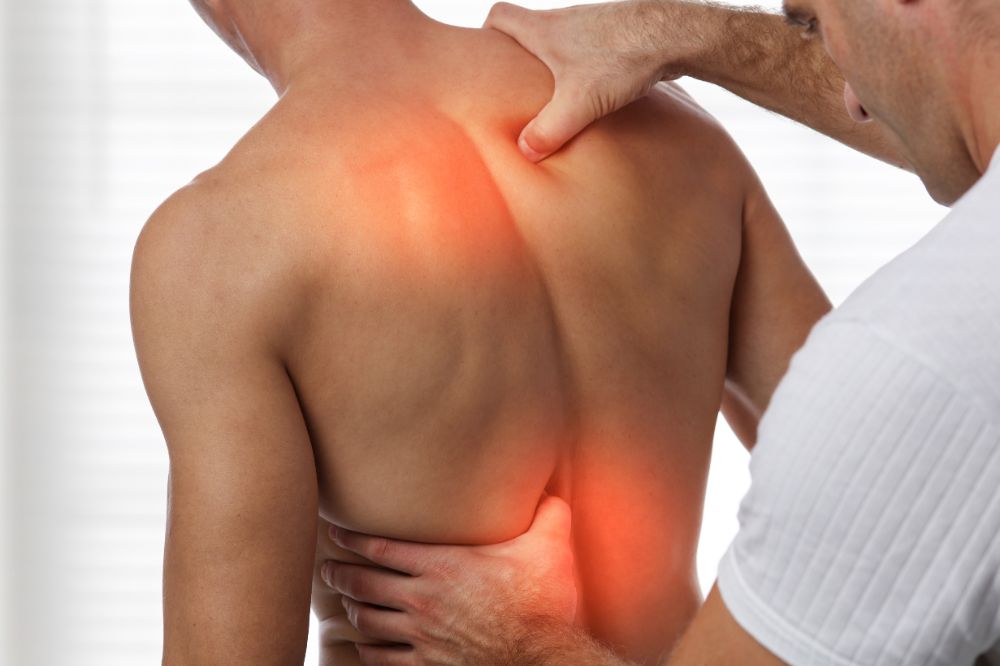
The side effects of massage therapy are mild and temporary for the vast majority of people who receive treatment. A systematic review published in the journal Pain Medicine found that the most common reactions to manual therapy include local discomfort (reported in 53% to 60% of sessions), headache (10% to 12%), and tiredness (11%), with 85% to 90% of all reported reactions classified as mild or moderate. The same review found that 64% of reactions appear within four hours of treatment, and 74% to 83% disappear completely within 24 hours. Serious adverse events from massage therapy are rare. Dr. Edzard Ernst, one of the most rigorous critics of alternative medicine and a professor of complementary medicine, concluded that serious adverse events from massage are "probably true rarities." This article covers every common and uncommon side effect, explains the biological mechanism behind each one, identifies who is most at risk, and provides practical steps to minimize discomfort after every session.
What Are the Side Effects of Massage Therapy?
The side effects of massage therapy include temporary muscle soreness, fatigue, headache, nausea, bruising, skin irritation, and occasional emotional release. These reactions occur because massage involves physical manipulation of soft tissue, which produces real biological changes in the muscles, circulatory system, lymphatic system, and nervous system. The manipulation is therapeutic, but the body needs time to process and adapt to those changes after the session ends. A 2007 survey of 100 massage patients found that 10% reported some minor discomfort in the day following treatment, and the researcher noted that this figure likely underrepresents the true incidence because the massages studied were quite gentle. Stronger techniques like deep tissue, sports massage, and trigger point therapy produce more frequent and more noticeable post-session reactions than lighter modalities like Swedish or relaxation massage.
The important distinction is between expected therapeutic reactions and genuine adverse events. Expected reactions, such as mild soreness, light fatigue, and temporary tenderness at the treatment site, are signs that the body is responding to the muscular and circulatory changes the massage initiated. Genuine adverse events, such as persistent pain beyond 72 hours, worsening bruising, numbness, tingling, or fever, require medical attention and indicate that something went beyond the normal therapeutic range. Our previous blog on after a massage covers the full timeline of normal physiological changes in detail.
Is It Normal to Feel Sore After a Massage?
Yes, it is normal to feel sore after a massage, and the soreness is caused by the same biological mechanism that produces post-exercise muscle soreness. Massage techniques involve stretching, compressing, and applying pressure to muscle fibers, which causes temporary microtrauma to the tissue. Microtrauma is the formation of microscopic tears in muscle fibers that trigger the body's repair response, including localized inflammation, increased blood flow, and the recruitment of repair cells to the area. This process is identical to the delayed onset muscle soreness (DOMS) that occurs after a workout. A meta-analysis published in the journal Frontiers in Physiology confirmed that massage reduces DOMS at 24 hours (standardized mean difference of -0.61), 48 hours (SMD -1.51), and 72 hours (SMD -1.46) after intense exercise, demonstrating that massage both causes and alleviates the same type of muscle soreness depending on context.
Post-massage soreness typically peaks 12 to 24 hours after the session and resolves within 24 to 48 hours. Deep tissue massage, sports massage, and trigger point therapy produce more soreness than Swedish or relaxation massage because they apply greater pressure to deeper muscle layers. Soreness after a first massage session or after a session with a new therapist tends to be stronger than soreness after regular treatments, because the muscles have not yet adapted to being manipulated. The soreness should feel like a dull ache or tenderness in the treated areas, not sharp pain, burning, or radiating discomfort. Sharp or radiating pain after a massage is not normal and should be reported to your therapist and discussed with a healthcare provider.
Why Do I Feel Sick After a Massage?
Feeling sick after a massage, sometimes called "massage flu" or post-massage malaise, happens because the session triggers simultaneous changes in your circulatory, lymphatic, and nervous systems that temporarily overwhelm your body's processing capacity. Massage increases blood flow to areas that have been restricted by tension or adhesions, and that sudden increase in circulation can cause lightheadedness and a general feeling of being unwell. The lymphatic system, which carries metabolic waste products and excess fluid out of tissues, is physically stimulated during massage. Lymph fluid has no pump of its own and depends on external pressure to move through the vessels. When a therapist pushes lymph fluid through the system faster than usual, the body needs time to filter and eliminate the waste through the kidneys and liver.
The widespread belief that massage "releases toxins" from muscles is a simplification. The actual mechanism involves the movement of metabolic waste products, primarily lactic acid, creatine kinase (CK), and carbonic acid, from muscle tissue into the bloodstream. The meta-analysis on DOMS confirmed that massage reduces serum CK levels (SMD -0.64), which means it actively moves this muscle-damage marker from tissue into the blood for processing. That temporary increase in circulating waste products can produce fatigue, mild nausea, and a general "off" feeling until the kidneys and liver complete their filtration work. Massage therapy also reduces cortisol by up to 31% while increasing serotonin by 28% and dopamine by 31%, according to the International Journal of Neuroscience. The rapid cortisol drop activates the parasympathetic nervous system (the "rest and digest" mode), which slows heart rate, lowers blood pressure, and can cause drowsiness or mild disorientation, especially if you stand up quickly after lying on the table.
Can Massage Cause Nausea?
Yes, massage can cause nausea, though it occurs in fewer than 5% of sessions according to the Pain Medicine systematic review. Nausea after massage typically results from one of four triggers: dehydration (the body lacks sufficient fluid to process mobilized waste products), low blood sugar (the session occurs on an empty stomach), orthostatic hypotension (a sudden blood pressure drop when sitting or standing up after lying down), or overstimulation of the vagus nerve during abdominal or neck work. Eating a light meal one to two hours before the session and drinking 8 to 16 ounces of water before treatment reduces the likelihood of nausea significantly. If you feel nauseous during a session, let your therapist know immediately so they can adjust their technique, slow the pace, or pause to let you sit up gradually.
Why Do I Get a Headache After a Massage?
Headaches after a massage occur in 10% to 12% of manual therapy sessions, according to the Pain Medicine systematic review, and they result from dehydration, head positioning during the session, or the release of tension in cervical trigger points. When a therapist works on the neck, shoulders, and upper back, the release of deeply held tension in the suboccipital muscles, upper trapezius, and sternocleidomastoid can temporarily alter blood flow patterns in the head and neck. That circulatory shift, combined with the overall vasodilation that massage produces, can trigger a tension-type headache that typically resolves within a few hours. Dehydration amplifies the effect because the brain is highly sensitive to fluid balance changes. Proper hydration before and after muscle tension treatment is the most effective prevention measure.
Is It Normal to Feel Tired After a Massage?
Yes, it is normal to feel tired after a massage, and the fatigue is a direct result of the parasympathetic nervous system activation that the therapy produces. Tiredness was reported in 11% of manual therapy sessions in the systematic review. The parasympathetic nervous system is the "rest and digest" branch of the autonomic nervous system, and massage is one of the most reliable ways to shift the body from sympathetic (fight-or-flight) dominance into parasympathetic mode. That shift lowers heart rate, reduces blood pressure, slows breathing, and redirects energy from external alertness toward internal repair and digestion. The resulting drowsiness is not a side effect of something going wrong. It is a sign that the therapy achieved one of its primary goals: moving your nervous system out of stress mode and into recovery mode.
The fatigue is most pronounced after longer sessions (60 to 90 minutes), after deep tissue or full-body treatments, and in clients who arrived at the session in a high-stress or sleep-deprived state. Planning your massage at a time when you can rest afterward, rather than immediately before a demanding activity, allows your body to benefit fully from the parasympathetic shift. Stress management through regular massage works precisely because it trains the nervous system to access the parasympathetic state more easily over time.
Why Do I Feel Emotional After a Massage?
Feeling emotional after a massage happens because sustained muscular tension stores somatic (body-based) components of emotional experiences, and releasing that tension can bring suppressed emotions to the surface. The connection between physical tension and emotional holding is well documented in somatic psychology and body-centered therapy research. Muscles that have been chronically contracted, particularly in the jaw, shoulders, hip flexors, and chest, hold not just physical tension but also the nervous system patterns associated with the original stress, grief, or anxiety that caused the contraction. When a therapist releases that chronic holding pattern, the stored emotional signal can surface as tears, unexpected sadness, laughter, or a wave of anxiety during or after the session.
The vagus nerve, which runs from the brainstem through the neck, chest, and abdomen, plays a central role in this process. Massage stimulates the vagus nerve, which activates the parasympathetic response and simultaneously allows emotions that were suppressed during sympathetic (stress) states to emerge. This emotional release is not a sign that something went wrong. It is a normal and often therapeutic response that many people experience periodically throughout their massage therapy journey. At our Bedford Hills wellness center, our therapists create a safe, private space where members can process whatever comes up during a session without judgment. Reiki sessions offer an alternative modality for members who prefer a gentler, energy-based approach to emotional release.
Can a Massage Cause Bruising?
Yes, a massage can cause bruising, though it is uncommon with standard pressure and more likely with deep tissue, sports massage, or trigger point work. Bruising occurs when small blood vessels (capillaries) beneath the skin rupture from sustained pressure, allowing blood to leak into the surrounding tissue. People who take blood-thinning medications (warfarin, aspirin, heparin), those with bleeding disorders, elderly clients with fragile capillaries, and individuals who bruise easily from minor contact are at higher risk. Informing your therapist about any medications or conditions that affect bleeding before the session allows them to adjust pressure and technique to prevent bruising. If bruising does occur, it typically resolves within 5 to 7 days through the body's normal reabsorption process.
Can Deep Tissue Massage Cause Injury?
Deep tissue massage can cause injury in rare cases, most notably mild rhabdomyolysis (muscle crush injury), nerve compression, and in very rare circumstances, blood clot dislodgement in clients with undiagnosed deep vein thrombosis. Rhabdomyolysis occurs when excessive pressure damages muscle fibers and releases myoglobin protein into the bloodstream. Myoglobin in high concentrations can overwhelm the kidneys and cause acute kidney stress. A case study cited by PainScience.com documented an 88-year-old man who developed rhabdomyolysis after a 2-hour aggressive massage session that required hospitalization. A literature review by Ernst and Posadzki (2013) found 18 reported cases of moderately severe adverse reactions to normal massage over a decade, with neck massage producing the most reported complications.
These cases are rare and almost always involve one or more risk factors: extreme pressure far beyond therapeutic norms, excessively long sessions, elderly or medically fragile clients, failure to disclose relevant health conditions, or unlicensed practitioners without adequate training. Properly trained, licensed therapeutic massage performed within standard clinical parameters carries very low risk. The AMTA reports that 91% of surveyed individuals view massage as beneficial to overall health and wellness, and the overwhelming majority of the hundreds of millions of massage sessions performed annually produce nothing more than mild, temporary soreness.
Side EffectIncidence RateTypical DurationPrimary CausePrevention StrategyLocal muscle soreness53-60% of sessions24-48 hoursMicro-tears from muscle manipulationStart with lighter pressure; hydrate before/afterHeadache10-12% of sessions2-6 hoursDehydration; cervical tension release; head positioningHydrate well; request neck support adjustmentsFatigue/drowsiness11% of sessions2-4 hoursParasympathetic nervous system activationSchedule rest time after the sessionNauseaLess than 5%30 min to 2 hoursMetabolic waste mobilization; blood pressure dropEat a light meal beforehand; hydrate; sit up slowlyBruisingRare (deep tissue)5-7 daysCapillary rupture from sustained pressureDisclose medications; request lighter pressureEmotional releaseVariableMinutes to hoursSomatic tension release; vagal nerve activationAllow it to happen; no prevention neededSkin irritationRareHours to 1 dayAllergic reaction to massage oil or lotionBring your own hypoallergenic products
Sources: Pain Medicine systematic review (PMC); PainScience.com (2007 patient survey); International Journal of Neuroscience; Frontiers in Physiology DOMS meta-analysis
What Are the Negatives of Massage Therapy?
The negatives of massage therapy include temporary physical discomfort, the cost and time commitment of regular sessions, the rare possibility of injury from overly aggressive technique, and the risk of receiving ineffective treatment from an inadequately trained practitioner. These negatives are real, and acknowledging them honestly helps set accurate expectations. The physical discomfort (soreness, fatigue, headache) is temporary and resolves within 24 to 48 hours in the vast majority of cases. The cost and time commitment are genuine considerations, as consistent sessions over weeks produce the strongest clinical outcomes for conditions like chronic pain, anxiety, and fibromyalgia. The injury risk, while present, is extremely low when treatment is performed by a licensed, trained therapist who communicates with the client throughout the session.
The benefits consistently outweigh the negatives for most people. A meta-analysis of 17 studies (786 participants) found that massage therapy significantly alleviates depressive symptoms. A study of 401 adults with chronic low back pain found that two-thirds of massage recipients improved substantially compared to one-third receiving usual care. The 2025 AMTA Consumer Survey found that 94% of surveyed individuals believe massage can be effective in reducing pain. When performed correctly, the temporary discomfort that follows a session is the biological cost of the therapeutic changes the massage produces, and that cost resolves quickly while the benefits accumulate over time.
How Long Does It Take Your Body to Recover From a Deep Tissue Massage?
Your body takes 24 to 48 hours to recover from a deep tissue massage, with some residual tenderness lasting up to 72 hours after particularly intense sessions. The systematic review data confirms that 74% to 83% of post-treatment reactions disappear within 24 hours, and the DOMS meta-analysis shows that massage-related soreness peaks at 24 hours and declines steadily through 48 and 72 hours. Recovery time depends on the intensity of the session, your baseline conditioning level (people who exercise regularly tend to recover faster), your hydration status, and whether you rest or engage in strenuous activity after treatment. Applying gentle warmth (not ice) to sore areas, staying well hydrated, and avoiding intense exercise for 24 hours after a deep tissue session accelerates recovery. The hormone release that occurs during massage, particularly the cortisol reduction and serotonin increase, supports the recovery process by keeping the nervous system in repair mode.
Can a Massage Make Existing Pain Worse?
Yes, a massage can make existing pain worse if the pressure is too intense for the condition, if inflamed tissue is aggravated by direct manipulation, or if the therapist works on an area that needs rest rather than stimulation. Acute injuries with active inflammation (a recently sprained ankle, a freshly pulled muscle) can flare up if massage is applied too soon or too aggressively. Chronic pain conditions like fibromyalgia involve heightened pain sensitivity (central sensitization), and deep tissue work that would feel therapeutic for a healthy person can feel damaging and actually increase pain levels in someone with sensitized pain processing. PainScience.com author Paul Ingraham, a former registered massage therapist of 10 years, described clients whose chronic pain was worsened by overly intense massage, noting that a painful sensory experience can actually increase pain sensitivity long-term in vulnerable patients.
The solution is communication and appropriate technique selection. Lighter modalities like Swedish massage, gentle myofascial release, or craniosacral therapy produce therapeutic benefits with far less risk of aggravating sensitive conditions. Always tell your therapist about your current pain levels, any recent injuries, and any areas that feel inflamed or unusually tender before the session begins. A skilled therapist adjusts pressure in real time based on your feedback and the tissue response they feel under their hands. Pain management through massage works best when the therapist and client communicate openly throughout the session.
When to Not Get a Massage?
You should not get a massage when you have a fever or active infection, undiagnosed lumps, deep vein thrombosis (DVT) or blood clots, unhealed fractures, severe burns, or open wounds in the treatment area. These contraindications exist because massage stimulates circulation and lymphatic flow, which can spread infection, dislodge blood clots, or worsen conditions where increased blood flow is harmful. A dislodged blood clot can travel to the lungs and cause a pulmonary embolism, which is a life-threatening emergency. Clients with DVT or a history of blood clots should receive written medical clearance before any massage session.
Additional situations where massage should be postponed or modified include:
- Active cancer at or near the treatment site (massage should only be performed by an oncology-trained therapist with physician guidance)
- Severe osteoporosis (lighter pressure required to prevent fracture risk over fragile bones)
- Recent surgery (wait for surgeon clearance, typically 4-6 weeks post-procedure)
- First trimester of pregnancy (most therapists recommend waiting until the second trimester as a precaution)
- Skin conditions like contagious rashes, active herpes lesions, or severe eczema in the treatment area
- Intoxication from alcohol or recreational substances (impairs your ability to give accurate feedback on pressure)
- Immediately after eating a large meal (blood flow is directed to digestion; massage redirects it to muscles)
How to Prevent Side Effects After a Massage
Preventing side effects after a massage starts before the session begins and continues through the 24 hours that follow. The most effective prevention strategies address the biological causes of each common reaction: hydration counteracts the metabolic waste mobilization that causes nausea and headache; communication prevents excessive pressure that leads to bruising and aggravated pain; rest allows the parasympathetic shift to complete its recovery cycle; and gradual position changes prevent the orthostatic hypotension that causes dizziness.
Follow these steps before, during, and after every massage session to minimize side effects:
- Drink 8-16 ounces of water in the hour before your appointment to support circulation and waste processing.
- Eat a light meal or snack 1-2 hours before the session to prevent low blood sugar.
- Tell your therapist about all medications, health conditions, recent injuries, and areas of concern before the session starts.
- Speak up during the session if pressure feels too intense, too light, or if any area produces sharp pain rather than therapeutic discomfort.
- Sit up slowly when the session ends rather than standing abruptly, to prevent dizziness from the blood pressure changes massage produces.
- Drink 16-24 ounces of water within the first hour after the session to help your kidneys process mobilized metabolic waste.
- Avoid alcohol, caffeine, and strenuous exercise for 12-24 hours after the session, as all three counteract the therapeutic effects.
- Apply gentle warmth (a warm towel, heating pad on low) to any areas that feel sore, rather than ice, which constricts the blood vessels the massage just opened.
Should I Drink Water After a Massage?
Yes, you should drink water after a massage, and hydration is the single most important step for reducing post-massage side effects. Water serves as the transport medium for the metabolic waste products (creatine kinase, lactic acid, carbonic acid) that massage pushes from muscle tissue into the bloodstream. Those waste products need to reach the kidneys for filtration and elimination. If you are dehydrated, the waste sits in circulation longer, prolonging the "sick" or "off" feeling that some people experience after a session. Our previous blog on not drinking water after a massage explains the consequences of skipping this step in full detail.
What Type of Massage Is Best for Chronic Pain?
The best type of massage for chronic pain depends on the source and nature of the pain, but deep tissue massage, trigger point therapy, and myofascial release produce the strongest outcomes for most chronic musculoskeletal conditions. Deep tissue massage targets the deeper layers of muscle and connective tissue where chronic tension and adhesions accumulate, making it effective for chronic back pain, neck pain, and shoulder pain. Trigger point therapy addresses the specific hyperirritable knots within taut bands of muscle that refer pain to other parts of the body, making it effective for tension headaches, TMJ pain, and sciatica-like patterns. Myofascial release works on the connective tissue (fascia) that surrounds and supports every muscle, organ, and nerve in the body, making it effective for widespread pain syndromes and postural imbalances.
For conditions involving heightened pain sensitivity, such as fibromyalgia or central sensitization, lighter techniques like Swedish massage and craniosacral therapy often produce better outcomes with fewer side effects than deep tissue work. Red light therapy sessions complement massage for chronic pain by addressing inflammation at the cellular level through photobiomodulation, while massage addresses the muscular and fascial components of the pain pattern. Many of our members in Westchester County combine both modalities in a single visit for comprehensive massage and light-based pain management.
Frequently Asked Questions
Can Someone With Osteoporosis Get a Massage?
Yes, someone with osteoporosis can get a massage with appropriate modifications. The therapist should use lighter pressure, avoid direct compression over bony prominences (especially the spine, ribs, and hips), and favor gentle Swedish strokes over deep tissue techniques. Massage benefits osteoporosis patients by reducing muscle tension, improving circulation, and decreasing cortisol levels that contribute to bone density loss. Always inform your therapist about your osteoporosis diagnosis before the session.
Is Massage Safe During Pregnancy?
Massage is safe during pregnancy when performed by a therapist trained in prenatal techniques. The second and third trimesters are the most common periods for prenatal massage. The therapist uses side-lying positioning with supportive pillows and avoids deep pressure on the abdomen, lower back sacral area, and certain pressure points. Prenatal massage has been shown to reduce anxiety, depression, and musculoskeletal pain in pregnant women.
How Often Is Too Often for Massage?
For most people, receiving massage more than twice per week is unnecessary unless you are in active rehabilitation from an injury or managing a severe chronic condition under practitioner guidance. The body needs 24 to 48 hours between sessions to complete the repair cycle that each treatment initiates. Weekly sessions are the standard for chronic pain management, and biweekly to monthly sessions work well for general wellness maintenance.
Can Massage Therapy Cause Blood Clots?
Massage therapy does not cause blood clots, but it can dislodge an existing blood clot in a person with undiagnosed deep vein thrombosis (DVT). A dislodged clot can travel to the lungs and cause a pulmonary embolism. This is why leg massage should be avoided or performed very gently in people with DVT risk factors, including recent surgery, prolonged immobility, cancer, or a history of blood clots. Always disclose your full medical history to your therapist.
Should I Tell My Therapist About Medications I Take?
Yes, always tell your therapist about medications you take, especially blood thinners (warfarin, aspirin, heparin), muscle relaxants, pain medications, and any drugs that affect blood pressure or bleeding. Blood thinners increase bruising risk. Muscle relaxants may mask your ability to feel when pressure is too deep. Pain medications can reduce your feedback accuracy during the session. Full disclosure allows your therapist to adjust their technique for your safety and comfort.
The Bigger Picture
The side effects of massage therapy are real, but they are overwhelmingly mild, temporary, and preventable with proper hydration, communication, and technique selection. The systematic review data confirms that the vast majority of reactions resolve within 24 hours and that serious complications are exceedingly rare when treatment is performed by qualified, licensed professionals. Understanding what to expect after a session, and knowing the difference between a normal therapeutic reaction and a genuine adverse event, allows you to receive massage therapy with confidence and get the full benefit from every treatment.
If you have questions about which massage modality fits your condition, or if you want to discuss any health considerations before your first session, we are here to help. Quantum Healing & Wellness provides licensed massage therapy alongside complementary modalities including infrared sauna, red light therapy, salt room, PEMF, Reiki, and craniosacral therapy. You can reach us through our contact page or call (914) 218-3428 to schedule a session with our experienced team.
Read our recent Blogs
Quantum Healing and Wellness PMA in Westchester NY is commited to wellness conent for you









.avif)
.png)

.png)