





Acoustic wave therapy is a noninvasive procedure that sends low-intensity sound pulses into soft tissue, and the FDA calls it experimental for many conditions.
Acoustic wave therapy (AWT) is a noninvasive medical procedure that sends low-intensity sound pulses into soft tissue. Cleveland Clinic says courses usually run 6 to 12 weeks, with 10 to 30 minutes per session. The FDA classifies it as experimental for many conditions. This guide explains what is acoustic wave therapy, what the research shows, and how it differs from wellness sound and light services.
Key Takeaways
- Acoustic wave therapy is another name for low-intensity extracorporeal shockwave therapy (ESWT), a clinical procedure.
- Radial devices spread pressure waves over a shallow area, while focused devices converge waves at a set depth.
- The FDA approved an ESWT device for chronic plantar fasciitis in 2000, and evidence for other uses is mixed.
- Side effects are usually mild, such as redness, bruising, and short-term soreness.
- Our Acoustic Light Wave service is a separate wellness service, not medical shockwave therapy.
What Is Acoustic Wave Therapy?
Cleveland Clinic says acoustic wave therapy is a noninvasive procedure using high-frequency, low-intensity sound (pulse) waves to help treat light injuries. A healthcare provider passes a wand-like device over the affected area, after applying a thin layer of gel. Sessions need no needles or incisions.
Cleveland Clinic lists other names for the procedure, including shockwave, GAINSWave, radial therapy, and low-intensity shockwave therapy (LiSWT). Providers aim the pulses at muscles, tendons, nerves, blood vessels, and connective tissue (fascia). Our light wave sessions is a different wellness service, and a later section explains the difference.
How Does Acoustic Wave Therapy Work?
Acoustic wave therapy works by delivering mechanical acoustic energy to tissue, which prompts molecular, cellular, and tissue responses. Researchers call this process mechanotransduction, meaning cells convert physical force into biological signals. A 2020 imaging review in a PubMed Central (PMC) journal describes this as the proposed mechanism.
Cleveland Clinic adds that the pulses may help open up or regrow blood vessels, a process called neovascularization. Better blood flow is one reason providers use the method for soft tissue injuries. Device makers say the effect is mechanical rather than heat-based, which separates it from therapeutic ultrasound.
What Is the Difference Between Radial and Focused Acoustic Waves?
Radial acoustic waves spread out and weaken as they travel, while focused acoustic waves converge at a precise depth in the body. Radial devices act mainly near the surface, according to a 2024 Frontiers in Medicine review. Focused devices can reach tissue away from the skin contact point.
The two types also differ in how the machine makes the wave. The table below shows the main differences between the two device types.
| Feature | Radial | Focused |
|---|---|---|
| Wave path | Diverges from the applicator | Converges at a set depth |
| Main depth | Primarily superficial | Can reach deeper tissue |
| How it is generated | Pneumatic (air pressure) | Electrohydraulic, piezoelectric, or electromagnetic |
| FDA approvals cited | Plantar fasciitis (2000), lateral epicondylitis (2003) | Newer technology with a precise target depth |
A systematic review of trials in the Physiotherapy Evidence Database (PEDro) found no scientific evidence favoring radial or focused waves for outcomes. The same review says labeling radial as low-energy and focused as high-energy is not correct. Both types therefore appear under the name acoustic wave treatment.

The graphic above compares how each wave type spreads through tissue. That comparison raises a naming question about shockwave therapy.
Is Acoustic Wave Therapy the Same as Shockwave Therapy?
Yes, acoustic wave therapy and shockwave therapy usually describe the same family of treatments. Acoustic wave therapy vs shockwave therapy is mainly a naming difference. Cleveland Clinic lists shockwave and low-intensity shockwave therapy as alternate names. Clinics may use the softer name for low-intensity settings.
Researchers use the term extracorporeal shockwave therapy (ESWT), where extracorporeal means outside the body. Sound wave therapy, sonic wave therapy, and acoustic sound wave therapy are other labels people search. Providers who offer the procedure should explain which device and settings they use.
What Is Acoustic Wave Therapy Used For?
Acoustic wave therapy is used mainly for soft tissue injuries and conditions, especially when other treatments have not worked. Cleveland Clinic lists ten uses, from tendon problems to cosmetic concerns. The list below shows each use named by the clinic.
- Erectile dysfunction.
- Tennis elbow.
- Golfer's elbow.
- Bursitis.
- Plantar fasciitis.
- Minor scarring.
- Stretch marks.
- Cellulite.
- Lymphatic system blockage.
- Facial wrinkles.
Cleveland Clinic also says many benefit claims lack strong research. The FDA classifies the procedure as experimental for many conditions. The next sections cover the uses with published research.
Does Acoustic Wave Therapy Work for Plantar Fasciitis and Tendon Pain?
Yes, acoustic wave therapy has FDA approval for chronic plantar fasciitis, but the pain relief in trials is small. The FDA approved the OssaTron device on 10/12/2000 for chronic proximal plantar fasciitis that failed to respond to conservative treatment. Plantar fasciitis is pain in the band of tissue along the heel and arch.
A 2005 meta-analysis in BMC Musculoskeletal Disorders pooled six randomized trials with 897 patients. Average morning pain improved by 0.42 cm on a 10 cm scale, which the authors called clinically small. The four better-quality trials showed no statistically significant effect.
A PEDro systematic review concluded that the method is effective and safe for tendon and other musculoskeletal problems. Effect sizes differ by condition, so providers screen each case first. The next section moves to the most debated use.
Does Acoustic Wave Therapy Work for ED?
Acoustic wave therapy for ED shows a small short-term effect in controlled trials, and the evidence is low certainty. A 2025 Cochrane review found a 3.89-point gain on the 6 to 30 erectile function scale versus sham treatment. That review covered 21 randomized trials with 1,357 men.
The Cochrane authors note that the minimal clinically important difference is 4 points, so the gain may not matter in daily life. A 2019 meta-analysis of 10 sham-controlled trials with 873 patients found a 3.97-point gain. Cleveland Clinic says benefits usually are not permanent, and providers may suggest medicines or lifestyle changes first.
Does Acoustic Wave Therapy Work for Cellulite?
Acoustic wave therapy for cellulite has some supporting evidence, but no cellulite treatment has shown clear, strong results. A 2015 systematic review analyzed 67 studies and found only 19 were randomized and placebo-controlled. Only acoustic wave therapy and a 1440 nm laser showed some evidence of potential benefit.
The reviewers concluded that none of the evaluated treatments showed clear evidence of good efficacy. The same paper notes that cellulite appears in 80 to 90 percent of post-pubertal women. Results should therefore be viewed as cosmetic and modest.
Is Acoustic Wave Therapy Effective Overall?
Acoustic wave therapy has FDA approval for chronic plantar fasciitis. Evidence for other uses ranges from mixed to low certainty. Does acoustic wave therapy work depends on the condition, the device, and the dose. Cleveland Clinic calls it an option for people with mild symptoms.
The clinic says other options with more research may give more predictable results. People with long-lasting pain should see a healthcare provider before starting any course. The next section covers safety.
What Are the Side Effects of Acoustic Wave Therapy?
The side effects of acoustic wave therapy are usually mild and short-lived. Cleveland Clinic lists mild pain, skin discoloration, bruising, numbness, nausea, and headache. People can resume typical activities immediately after a session.
A 2017 systematic review in the International Journal of Surgery covered 39 studies and 2,493 plantar fasciitis patients. It recorded 2 complications, 247 cases of transient red skin, and 225 reports of pain during treatment. The authors called the method likely safe but said long-term complications are unknown.
Pregnancy, bleeding disorders, infections, and cancer near the treatment area call for a talk with a healthcare provider first. Providers review medical history and may order imaging before treatment.
How Many Acoustic Wave Therapy Sessions Are Needed?
Many conditions need one session a week for 6 to 12 weeks, and each session lasts 10 to 30 minutes. Cleveland Clinic gives this range for typical courses. A PEDro review found an optimum protocol of 3 sessions at 1-week intervals with 2,000 impulses each.
A visit generally follows the numbered steps below, based on Cleveland Clinic's description.
- The provider reviews your medical history and performs a physical exam.
- The provider may order imaging, such as Doppler ultrasound, MRI, or X-ray.
- You change into loose clothing or a gown if the treated area needs access.
- The provider applies gel and passes the wand over the area.
- You return for follow-up sessions, and the provider can lower the intensity if needed.

The graphic above summarizes the study sizes behind each use. With the medical picture clear, the next section turns to the wellness service we offer.
Is Acoustic Light Wave Therapy the Same as Medical Acoustic Wave Therapy?
No, Acoustic Light Wave Therapy at our center is a different wellness service from medical acoustic wave therapy. We do not provide medical shockwave therapy, and we do not diagnose or treat disease. Our service combines sound frequencies with light for relaxation and general wellness.
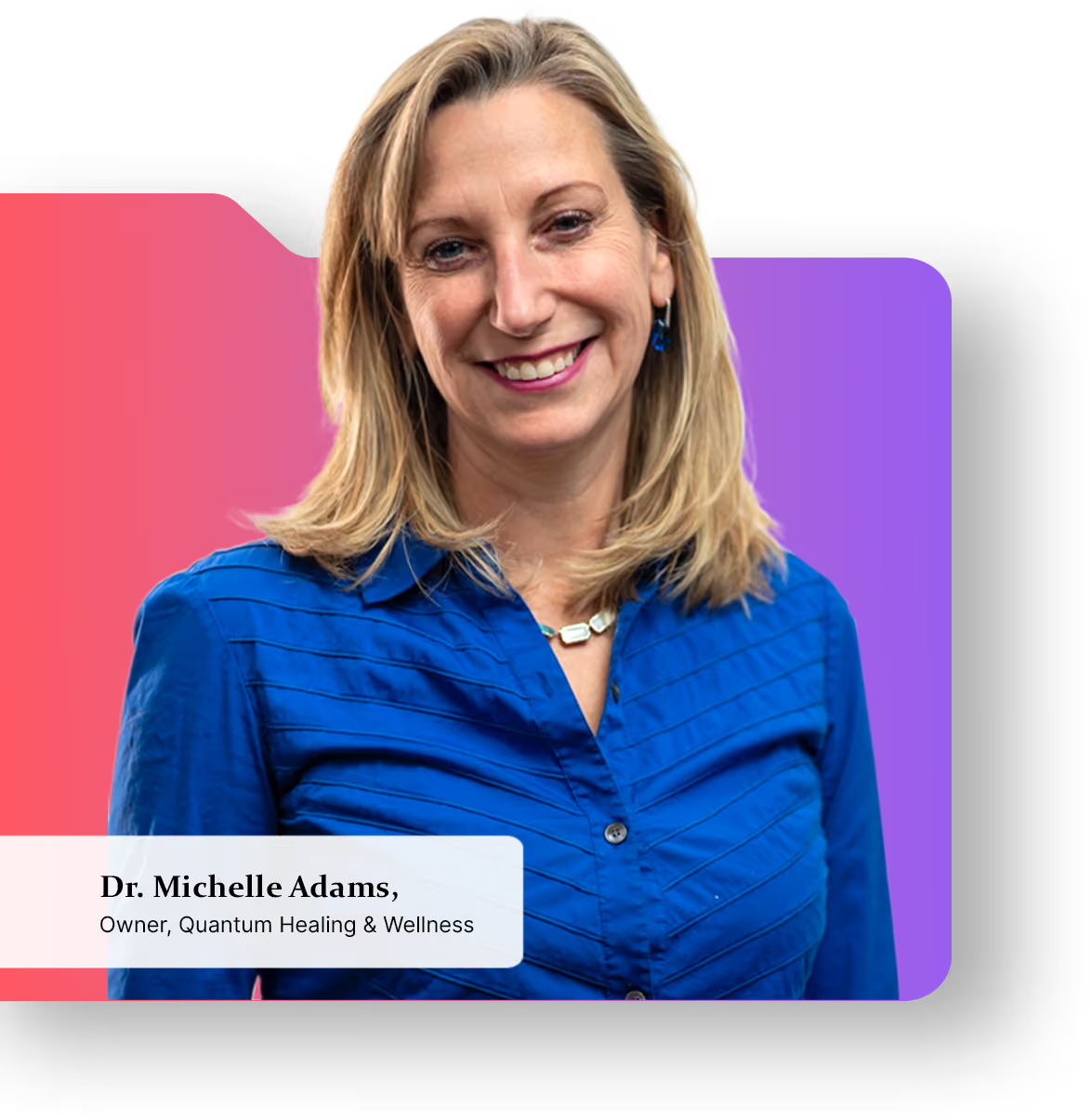
Dr. Michelle Adams, a Doctor of Pharmacy (PharmD) with 27 years in the pharmaceutical industry, leads our center. She describes the service on our page as harnessing sound and light for holistic wellness. Our PharmD founder encourages members to speak with their own provider about medical concerns.
The table below compares the two services side by side.
| Feature | Medical acoustic wave therapy | Our Acoustic Light Wave service |
|---|---|---|
| Purpose | Soft tissue procedures in a clinic | Relaxation and general wellness |
| Energy used | Mechanical pressure pulses | Sound frequencies with light |
| Regulation | FDA-regulated devices | Wellness service, not a medical procedure |
| Claims | Condition-specific research | Supports wellbeing, no disease claims |
Our practice describes the service as non-invasive. The page says it may not suit pregnant members or people with pacemakers. Members in those situations should speak with a healthcare provider first.

The graphic above shows the two services as separate panels.
What Does Our Acoustic Light Wave Service Involve?
Our Acoustic Light Wave service is a session that pairs specific sound frequencies with light waves for relaxation. Our practice calls it a wellness service based on energy-medicine principles, and independent research on this exact combination is limited. We describe what members report, not proven medical results.
Research on related sound-based approaches is small. UCLA Health lists sound baths and vibroacoustic therapies as forms of sound therapy. Vibroacoustic therapies use low-frequency sound through chairs and mats. Members can read about our sound light service and how sessions are offered.
Red light therapy at our center is a separate service. Our red light therapy blog posts cover it, and the next section answers related questions.
What Else Should You Know About Acoustic Wave Therapy?
Does Acoustic Wave Therapy Hurt?
In many cases, acoustic wave therapy is not painful, according to Cleveland Clinic. You may feel a light flicking or pulsing sensation. The provider can lower the intensity when you feel discomfort.
How Long Do Acoustic Wave Therapy Results Last?
Results depend on the condition and may not be permanent. Cleveland Clinic says you may need additional treatments a year or two later. For erectile dysfunction, improvement can take two months or longer to appear. Members who use PEMF mat sessions sessions for comfort should keep their provider informed.
What Is Sound Wave Therapy Called in Medicine?
Medicine calls it extracorporeal shockwave therapy, and some providers call it low-intensity shockwave therapy. Wellness settings use the phrase sound wave therapy more broadly. Some of that language overlaps with sound frequency claims, which is a separate topic.
Can Acoustic Wave Therapy Help With Muscle and Soft Tissue Pain?
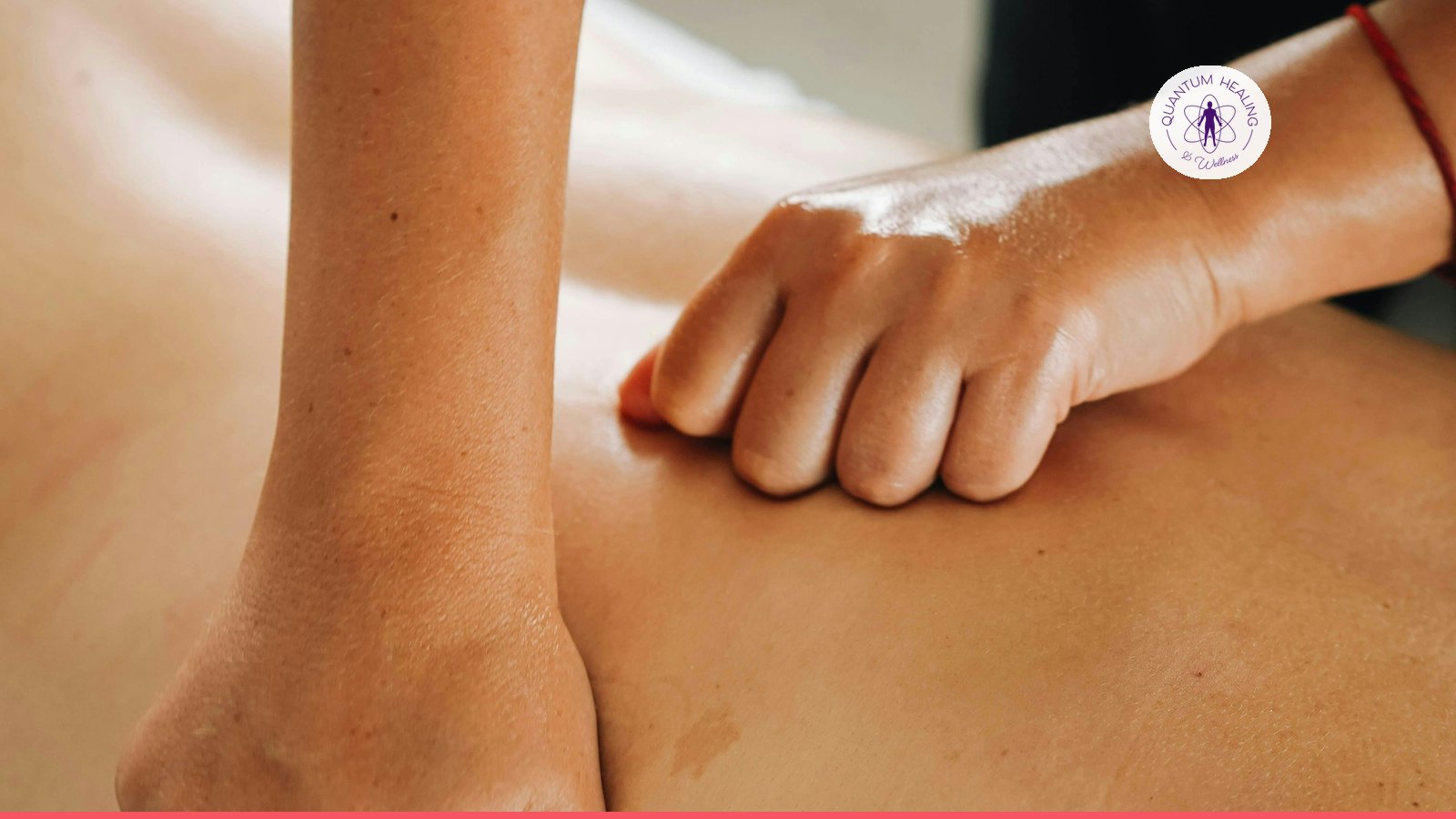
Acoustic wave therapy targets muscles, tendons, and fascia, and it has FDA approval only for specific conditions. Members who want hands-on comfort for tight muscles can try soft tissue massage.
Cleveland Clinic says a provider may first recommend other treatment options with more research and more predictable results. Ask your provider about those options before you begin any course of sessions. Our wellness approach to comfort is described on our tissue pain support page, which also lists related services.
Is Acoustic Wave Therapy Used for Skin Concerns?
Providers use it for cellulite, stretch marks, minor scarring, and wrinkles, but the research is limited. Our skin wellness support page covers the wellness side of skin care. Skin concerns that persist should be reviewed by a dermatologist.
Frequently Asked Questions
What Should You Ask a Provider Before Acoustic Wave Therapy?
Ask about the provider's license or certification, whether you are a good candidate, and how often you will need sessions. Ask which machine they use and what to do about side effects. Cleveland Clinic also suggests asking how acoustic wave therapy differs from shockwave therapy.
Can Acoustic Wave Therapy Be Used on the Face?
Yes, a 2020 study in Lasers in Surgery and Medicine used focused and radial acoustic waves for facial tightening in 333 patients. Each patient received multiple sessions. The study was cosmetic, and a provider should assess skin and health first.
How Is Acoustic Wave Therapy Different From Ultrasound?
Device makers say therapeutic ultrasound works mainly by warming tissue. Acoustic wave therapy works through a mechanical stimulus instead of heat. Both use sound, but they are different modalities.
What Is the Difference Between Low-Intensity and High-Energy Shockwave Therapy?
Low-intensity shockwave therapy uses gentler pulses and is used for soft tissue and erectile dysfunction research. A PEDro review says calling radial devices low-energy and focused devices high-energy is not correct. Energy depends on settings and device type.
Does Acoustic Wave Therapy Need Anesthesia?
Low-intensity sessions need no anesthesia, needles, or incisions, according to device makers and clinics. The 2017 safety review noted that one of its 2 complications followed regional anaesthesia. Higher-energy protocols may use it, so ask your provider.
How Does Quantum Healing & Wellness Support Your Wellness Goals?
Quantum Healing & Wellness supports relaxation and general wellbeing through non-medical services, and we never replace your doctor's care. Members can pair our sound and light service with massage or infrared sauna sessions, which our team explains during a conversation.
We are a private membership association in Bedford Hills, NY. Call (914) 218-3428 to ask our team about session options. Our team can explain how sessions work and what to expect before a first visit. They can also suggest questions for your healthcare provider.
Join the Quantum Healing community to learn which wellness services fit your goals. People who want medical shockwave therapy should ask a healthcare provider.
Read our recent Blogs
Quantum Healing and Wellness PMA in Westchester NY is commited to wellness conent for you