


.avif)



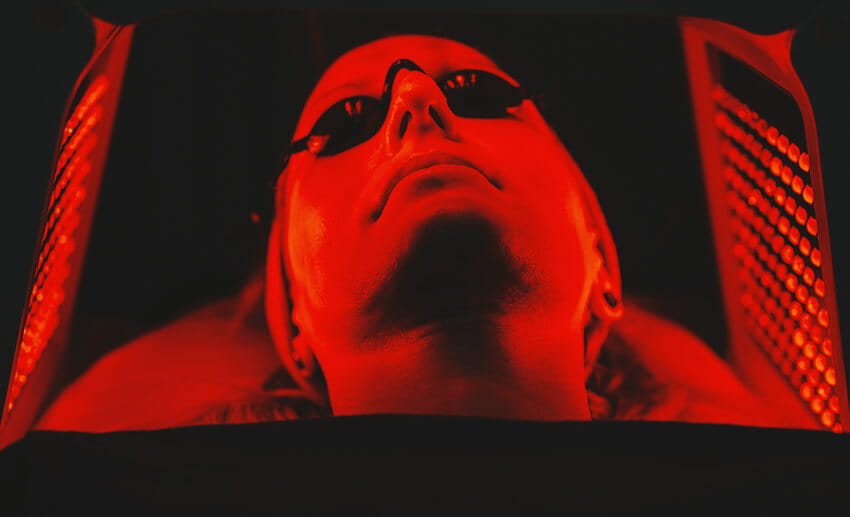
Red light therapy side effects are mild and temporary for most people. The most commonly reported reactions include slight skin redness, gentle warmth at the treatment area, and minor eye strain when protective eyewear is not used. Serious side effects from red light therapy are rare, and they almost always result from overuse, improper device settings, or pre-existing sensitivity to light. According to a peer-reviewed safety trial published in the Journal of Biophotonics, LED red light produced no serious adverse events across 115 healthy subjects treated over multiple sessions at varying doses. Red light therapy, also called photobiomodulation (PBM) or low-level laser therapy (LLLT), operates at wavelengths between 630 and 700 nanometers, well outside the ultraviolet spectrum that causes DNA damage and skin cancer. This article covers every side effect, safety concern, and contraindication you should know before starting red light therapy, along with what the clinical research actually says about each one.
What Are the Side Effects of Red Light Therapy?
The side effects of red light therapy are mild skin redness, temporary warmth, occasional eye strain, and rare cases of hyperpigmentation at high doses. These reactions are short-lived and typically resolve within minutes to a few hours after a session ends. A 2019 randomized controlled trial conducted at the Sacramento VA Medical Center enrolled 115 healthy subjects across two studies (STARS 1 and STARS 2) and found that LED red light at standard therapeutic doses produced only grade 1 adverse events, meaning no reaction required medical intervention. The most frequently observed side effect was transient erythema, which is temporary skin redness caused by increased blood circulation at the treatment site.
Transient erythema occurred in 93.3% of subjects receiving LED red light at 320 J/cm² in the STARS 1 trial, compared to 50% of subjects receiving a mock (sham) treatment, according to data published in the Journal of Biophotonics. The difference tells us that red light does produce a real vascular response in the skin, but that response is temporary and harmless. Erythema from red light therapy fades on its own, and no subjects in the study required treatment for it. The warmth that some people feel during a session comes from the light energy itself, not from a heating element. Red light devices operate at much lower power densities than medical lasers, so the thermal output stays well within safe limits during standard session lengths of 10 to 20 minutes.
What Are the Negative Effects of Red Light Therapy?
The negative effects of red light therapy include mild hyperpigmentation in darker skin tones at higher doses, temporary skin tightness or dryness, and potential eye discomfort without protective eyewear. Among these, hyperpigmentation is the most clinically significant finding from controlled research. In the STARS 1 trial, 33.3% of subjects receiving high-fluence LED red light at 320 J/cm² developed mild hyperpigmentation compared to 0% in the mock group. Hyperpigmentation was more prominent in skin of color participants, and all cases resolved within three months after the final treatment session. The STARS 2 trial found a similar rate of 36.7% at the higher dose of 480 J/cm² in non-Hispanic Caucasian subjects.
Hyperpigmentation from red light therapy occurs because melanin in the skin absorbs visible light energy. Melanin absorption converts light photons into heat at the cellular level, and that localized heat triggers melanocytes to produce additional pigment as a protective response. Individuals with higher melanin content in the epidermis absorb more red light energy per session, which is why darker skin types experience this reaction more frequently. This finding is important because most consumer articles about red light therapy do not mention it. The research from the Sacramento VA Medical Center demonstrated a 50% difference in the maximum tolerated dose based on skin type: 320 J/cm² for skin of color versus 480 J/cm² for lighter skin. People with deeper skin tones should start with shorter sessions, lower intensity, and gradually increase exposure while monitoring their skin's response.
Why Do I Feel Weird After Red Light Therapy?
Feeling weird after red light therapy happens because the light stimulates blood vessel dilation, increases cellular metabolic activity, and triggers the release of stored waste products from tissue. These three biological responses occur simultaneously during a session, and the combined effect can produce temporary sensations of lightheadedness, mild fatigue, a "buzzing" feeling, or brain fog. The sensations are harmless and typically resolve within 30 minutes to a few hours. Red light at 630 to 700 nm wavelengths penetrates the skin to a depth of 4 to 5 millimeters, according to a 2017 study published in Photochemistry and Photobiology. That penetration depth reaches blood vessels, nerves, and connective tissue beneath the skin surface.
Blood vessel dilation from red light therapy increases blood flow to the treated area, which temporarily lowers local blood pressure. That drop in pressure can cause a brief sensation of dizziness or warmth spreading through the body. Cellular metabolic activity increases because red light photons are absorbed by cytochrome c oxidase in the mitochondria, boosting adenosine triphosphate (ATP) production. ATP is the primary energy currency of every cell in the body. When ATP production spikes, cells ramp up repair and detoxification processes, and those processes release metabolic byproducts into the surrounding tissue. Some people feel this release as mild fatigue or a headache, similar to what happens after a deep massage therapy session. Staying well hydrated before and after a session reduces these sensations significantly.
Can You Overdo Red Light Therapy?
Yes, you can overdo red light therapy. Photobiomodulation follows what researchers call a biphasic dose response, sometimes referred to as the Arndt-Schulz principle. A moderate dose of red light produces beneficial cellular effects; an excessive dose reduces those benefits or produces irritation. The biphasic response means that longer sessions and higher intensities do not automatically produce better results. In fact, the opposite is often true. The STARS trials demonstrated this clearly: at 320 J/cm², side effects were mild and manageable, but at 480 J/cm² and above, dose-limiting adverse events began to appear, including blistering in one subject and prolonged erythema in others.
The biphasic dose response occurs because mitochondria can only absorb a finite number of photons per session. Once the mitochondrial enzyme cytochrome c oxidase reaches saturation, additional light energy converts to heat rather than cellular energy. That excess heat stresses the surrounding tissue instead of stimulating it. This is why clinical protocols for red light therapy recommend specific session durations and rest days between treatments. Think of it the way you would think about exercise: a 30-minute workout builds muscle, but a 4-hour workout on the same muscle group causes damage. Red light therapy works the same way at the cellular level.
To get the most benefit from red light therapy while minimizing side effects, follow these evidence-based session guidelines:
- Start with 10 minutes per treatment area and increase gradually to 15 to 20 minutes over the first two weeks.
- Maintain the manufacturer's recommended distance between the device and your skin, typically 6 to 12 inches for panel devices.
- Allow at least 24 hours between sessions on the same body area to give cells time to complete their repair cycle.
- Drink 8 to 16 ounces of water before and after each session to support circulation and metabolic waste clearance.
- Stop the session immediately if your skin feels uncomfortably hot, and reduce the duration or increase the device distance for future sessions.
Is 20 Minutes of Red Light Therapy Too Much?
Twenty minutes of red light therapy is not too much for most people when applied to a single treatment area at standard power density. Most clinical studies use session lengths between 10 and 20 minutes per area at power densities of 20 to 50 milliwatts per square centimeter (mW/cm²). A 2014 randomized controlled trial published in Photomedicine and Laser Surgery treated 136 subjects with sessions of similar duration and found significant improvements in skin complexion in 91% of participants and a mean 29% increase in collagen density, with no serious adverse events. The key factor is not just time but total energy delivered, which depends on both duration and power output. Twenty minutes under a low-powered at-home LED mask delivers far less energy than 20 minutes under a clinical-grade panel. Adjust your session length based on your specific device's power rating.
Is 3 Times a Week Enough for Red Light Therapy?
Three times a week is enough for red light therapy to produce measurable benefits for most conditions. Clinical protocols typically recommend 3 to 5 sessions per week, depending on the treatment goal. The landmark 2014 study that demonstrated a 29% collagen density increase used a schedule of approximately two sessions per week over 15 weeks (30 total sessions), which suggests that consistency over time matters more than daily frequency. Our infrared sauna and red light sessions at Quantum Healing & Wellness in Bedford Hills follow similar evidence-based scheduling to give your body adequate recovery time between treatments. Rest days between sessions allow cells to complete the ATP-driven repair cycle that red light initiates.
Does Red Light Therapy Cause Skin Burns?
Red light therapy does not cause skin burns when used correctly at standard therapeutic parameters. Unlike medical lasers that operate at high power densities and can ablate (cut or vaporize) tissue, LED-based red light devices deliver photons at significantly lower power levels. The peak power output of LEDs is substantially lower than lasers, resulting in slower energy delivery and less potential for thermal damage to the skin, according to research published in Seminars in Cutaneous Medicine and Surgery. Burns from red light therapy are exceptionally rare and almost always result from one of three situations: a malfunctioning device that delivers more energy than intended, a session that dramatically exceeds the recommended duration, or placing the device directly against the skin when the manufacturer specifies a minimum distance.
The STARS trials documented blistering in only 3 out of 115 total subjects across both studies. One case occurred in a subject with darker skin at 480 J/cm² (well above standard therapeutic doses). Another occurred in a subject who accidentally pressed the device against her skin during treatment, which increased the effective power density beyond the intended dose. These incidents reinforce that red light therapy is safe within established parameters, and that following device instructions is critical for preventing adverse reactions. Look for devices that carry FDA clearance through the 510(k) pathway, which confirms the device has been reviewed for safety and found to be substantially equivalent to previously marketed devices.
Is Red Light Therapy Safe for Eyes?
Red light therapy is safe for the area around the eyes when proper protective eyewear is used during the session. Red light at 630 to 700 nm wavelengths does not carry the ionizing energy that damages retinal DNA, but the brightness of therapeutic LED devices can strain the eyes and potentially affect the retinal photoreceptors with prolonged direct exposure. The American Academy of Dermatology recommends that users protect their eyes during skin treatments involving light-based devices. The retina contains photosensitive cells that respond to visible light across the entire spectrum, and red light falls within the range that photoreceptor cells absorb most efficiently. While short incidental exposure is unlikely to cause damage, staring directly into a high-powered red light panel for an extended session can cause temporary eye strain, afterimages, and discomfort.
Can I Just Close My Eyes for Red Light Therapy?
Closing your eyes during red light therapy reduces light exposure to the retina, but it does not block it completely. Human eyelids transmit approximately 5% to 20% of visible red light depending on skin thickness and pigmentation, which means a meaningful amount of red light still reaches the retina through closed eyelids. For low-powered at-home devices like LED face masks, closing your eyes is usually sufficient because the power output is relatively low. For higher-powered clinical panels or full-body devices, goggles specifically designed for red light therapy provide more reliable protection. The important distinction is between the device's power output and your proximity to it. A panel that delivers 100 mW/cm² at 6 inches demands more eye protection than a mask that delivers 15 mW/cm² at skin contact.
Who Should Not Use Red Light Therapy?
People with photosensitive conditions, those taking photosensitizing medications, individuals with active cancers over the treatment area, and pregnant women treating the abdominal area should not use red light therapy without medical guidance. While red light therapy has an excellent safety record across decades of clinical use, certain populations carry additional risk factors that require physician consultation before beginning treatment.
Conditions and situations that require caution before using red light therapy include:
- Lupus, porphyria, or other conditions that increase sensitivity to visible light
- Medications that cause photosensitivity, including tetracycline antibiotics, certain retinoids, some antidepressants (particularly tricyclics), and specific diuretics
- Active cancer at or near the intended treatment site (red light should never be applied directly over a known tumor without oncology guidance, though it is studied for managing chemotherapy side effects like oral mucositis)
- Epilepsy (only use flicker-free, medical-grade devices and consult a neurologist first)
- Recent acute joint injuries where inflammation is still active and heat could worsen swelling
- Individuals with darker skin tones should start with conservative settings and shorter sessions, based on the STARS trial finding that skin of color has a lower maximum tolerated dose for red light
The global red light therapy market was valued at $533.8 million in 2025 and is projected to reach $1.13 billion by 2033 at a 9.8% compound annual growth rate, according to Grand View Research. That rapid growth reflects increasing clinical acceptance and consumer adoption, but it also means more devices are entering the market with varying quality standards. Always verify that your device carries FDA clearance and meets established safety specifications before use. At our center, we use professional-grade equipment with calibrated power output and provide guidance on session length and frequency for every member.
Is Red Light Therapy Safe During Pregnancy?
Red light therapy is likely safe during pregnancy for non-abdominal treatment areas, but limited research exists to confirm safety during all stages of pregnancy. No controlled clinical trials have specifically studied red light therapy in pregnant populations, so the evidence base is thin. Medical experts generally recommend avoiding direct treatment over the abdomen and consulting an OB-GYN before beginning any new therapy during pregnancy. Detox consults can help identify which therapies align with your current health needs.
Why Don't Doctors Recommend Red Light Therapy?
Some doctors do not recommend red light therapy because large-scale, long-term clinical trials are still limited for many of its promoted uses. The therapy has strong evidence for specific applications, such as wound healing, oral mucositis from chemotherapy, and skin rejuvenation, but broader claims about weight loss, depression, or cognitive function still lack the large randomized controlled trials that conventional medicine requires for standard-of-care recommendations. The Cleveland Clinic notes that most published studies include small sample sizes, lack placebo groups, or were conducted in animal models or cell cultures rather than human subjects. That does not mean red light therapy is unsafe or ineffective. It means the evidence is still catching up to the growing consumer demand.
The FDA has cleared several red light devices for specific uses through the 510(k) pathway, which confirms low risk and substantial equivalence to previously marketed devices. Professional light therapy treatments administered with calibrated equipment and guided session parameters offer a higher degree of consistency than at-home devices. The Journal of the American Academy of Dermatology published a 2024 review acknowledging that photobiomodulation offers a noninvasive, cost-effective, and favorable safety profile, and can serve as an alternative or adjunct to pharmacotherapy for conditions including acne, alopecia, wounds, and scars. Over 50 years of low-intensity light applications in humans have produced no known reports of serious adverse long-term effects, according to clinical documentation compiled by multiple device manufacturers. Medical acceptance is growing steadily, and as larger studies are completed, more physicians are expected to incorporate pain and inflammation management through photobiomodulation into their clinical recommendations.
Does Red Light Therapy Cause Cancer?
No, red light therapy does not cause cancer. Red light operates at wavelengths of 630 to 700 nm, which falls within the non-ionizing portion of the electromagnetic spectrum. Non-ionizing light does not carry enough energy to break molecular bonds or damage cellular DNA. The American Academy of Dermatology confirms that red light therapy does not use ultraviolet (UV) light, the specific type of radiation known to damage skin cell DNA and increase cancer risk. A comprehensive 2023 scientific review published by the National Center for Biotechnology Information specifically investigated the safety of photobiomodulation in oncology and concluded that PBM does not appear to initiate or accelerate tumor growth based on a large body of in vitro and in vivo studies.
The confusion between red light therapy and cancer risk stems from a common misunderstanding about the difference between UV radiation and visible light. Ultraviolet light (wavelengths below 400 nm) carries sufficient energy to create thymine dimers in DNA, which can lead to mutations and skin cancer with repeated exposure. Red light therapy devices emit wavelengths well above this threshold, making DNA damage from red light photons physically impossible at these energy levels. Distinguishing red light from UV light is critical for anyone evaluating the safety profile of photobiomodulation.
Is Red Light Therapy the Same as Tanning?
No, red light therapy is not the same as tanning. Tanning involves exposure to ultraviolet (UV) light, which darkens the skin by triggering melanin production as a defense mechanism against DNA damage. Red light therapy uses visible red and near-infrared wavelengths that do not stimulate the tanning response, do not damage DNA, and do not increase skin cancer risk. The two technologies operate at completely different wavelengths, produce different biological effects, and carry different risk profiles. Understanding the distinction helps separate legitimate safety concerns from misconceptions.
FeatureRed Light Therapy (PBM)UV TanningNear-Infrared TherapyWavelength range630 to 700 nm280 to 400 nm (UVA/UVB)700 to 900 nmSkin penetration depth4 to 5 mm (dermis)0.1 to 1 mm (epidermis)Up to 6 mm (subcutaneous tissue)DNA damage potentialNone (non-ionizing)Yes (ionizing, causes thymine dimers)None (non-ionizing)Cancer riskNo established riskIncreased melanoma and carcinoma riskNo established riskPrimary mechanismStimulates mitochondrial ATP productionTriggers melanin production (tanning response)Stimulates deeper tissue repair and circulationFDA statusMultiple devices cleared via 510(k)Regulated (classified as Group I carcinogen by WHO)Multiple devices cleared via 510(k)Common side effectsTemporary redness, warmthSunburn, premature aging, DNA damageMild warmth, rare thermal discomfort
Sources: American Academy of Dermatology; Journal of Biophotonics (STARS trials, 2019); World Health Organization (UV classification); Cleveland Clinic; Grand View Research
Can Red Light Therapy Age Your Skin?
No, red light therapy does not age your skin. Red light therapy produces the opposite effect: it stimulates collagen and elastin production in dermal fibroblasts, which are the structural proteins responsible for skin firmness and elasticity. A 2014 randomized controlled trial published in Photomedicine and Laser Surgery treated 136 subjects with combined 633 nm and 830 nm light for 30 sessions over 15 weeks and found a mean 29% increase in collagen density measured by ultrasound, along with improvements in skin complexion (91% of subjects) and skin tone (87% of subjects). A separate clinical trial reported up to a 31% increase in collagen density after eight weeks of consistent treatment. Both studies found no evidence of skin damage or accelerated aging.
The concern about skin aging likely originates from the conflation of red light with UV light. UV radiation from the sun and tanning beds does accelerate skin aging through a process called photoaging, which breaks down collagen and elastin fibers over time. Red light therapy at 630 to 700 nm wavelengths does not produce this effect. Instead, red light upregulates procollagen type I and type III mRNA expression at the transcriptional level, meaning it increases the production of new collagen while simultaneously reducing the enzymes (matrix metalloproteinases) that break down existing collagen. The net result is firmer, more elastic skin with reduced fine lines. Infrared sauna sessions combined with red light amplify this collagen-supporting effect through improved circulation and deep tissue warmth.
What Happens If I Use Red Light Therapy Every Day?
Using red light therapy every day is generally safe, but daily sessions may not provide additional benefits compared to 3 to 5 sessions per week. The cellular repair processes that red light initiates, including collagen synthesis, ATP production, and anti-inflammatory signaling, require time to complete between exposures. Cells go through a response-and-recovery cycle after each session, and treating the same area again before that cycle finishes can reduce the net benefit. Most clinical protocols that have demonstrated significant results use 3 to 5 sessions per week with at least one full rest day. The WHO estimates that skin diseases affect approximately 900 million people globally, and as red light therapy becomes a more common treatment option, following evidence-based frequency guidelines helps maximize results while preventing overexposure.
Daily use becomes a concern primarily when sessions are also too long or the device is too powerful for the treatment area. A person using a low-powered LED face mask for 10 minutes daily is at very low risk of any adverse effect. A person using a high-powered clinical panel for 30 minutes daily on the same body area is at higher risk of overstimulation and diminishing returns. Match your frequency to your device's power output and the recommendation of the practitioner guiding your treatment. PEMF therapy follows a similar principle: consistent moderate sessions outperform aggressive daily exposure.
How Can I Tell If Red Light Therapy Is Working?
You can tell red light therapy is working by observing gradual improvements in skin texture, reduced soreness or joint stiffness, better sleep quality, and faster recovery after physical activity. Red light therapy does not produce dramatic overnight results for most applications. The cellular changes that lead to visible improvement happen gradually over weeks of consistent treatment. Most clinical studies measure outcomes at the 8 to 12 week mark, which is the timeframe that typically produces statistically significant improvements in collagen density, wrinkle reduction, and pain relief.
In the first one to two weeks, many people notice improved skin tone, a mild "glow," and reduced redness or irritation in treated areas. By weeks four to six, collagen remodeling begins producing measurable changes in skin firmness and fine line depth. By weeks eight to twelve, the full therapeutic effect becomes apparent. A 2014 clinical trial found that subjects experienced improvements in skin complexion, collagen density, and wrinkle reduction that were both clinically measurable and subjectively noticeable by the participants themselves. Keeping a simple photo log of the treated area each week provides a visual record that makes gradual changes easier to see. Some people also notice improved sleep and reduced tension after sessions, particularly when red light therapy is combined with salt room therapy or other relaxation-focused treatments in the same visit.
Where Should I Not Put Red Light Therapy?
You should not put red light therapy directly over an active tumor, directly into your eyes without protection, over fresh tattoos less than four weeks old, or over the thyroid gland without practitioner guidance. Red light stimulates cellular activity in the treated area, and that stimulation is beneficial for healthy tissue but could theoretically promote growth in areas where uncontrolled cell growth is already a concern. The oncology guidance is clear: never apply red light therapy over a known active tumor without explicit approval from your oncologist. For other areas, the risks are more about caution than danger. Fresh tattoos contain ink particles that absorb light energy, and applying red light too soon after tattooing can cause irritation or affect the healing ink. The thyroid gland is sensitive to energy-based stimulation, and individuals with thyroid conditions should discuss red light therapy placement with their healthcare provider before treating the neck area.
Open wounds that are actively bleeding should also be treated with care. While red light therapy supports wound healing through increased ATP production and fibroblast stimulation, applying any device directly to an open wound without sterile conditions introduces contamination risk from the device surface. Once a wound has closed and initial healing has begun, red light therapy can accelerate the remaining repair process. In our Westchester County wellness center, we guide every member through proper placement and session parameters based on their individual health profile and treatment goals.
Frequently Asked Questions
Does Red Light Help Neck Wrinkles?
Yes, red light helps neck wrinkles by stimulating collagen and elastin production in the dermal layer of the skin. The neck is particularly responsive to red light therapy because the skin there is thinner than on the face, allowing deeper light penetration per session. A 2014 clinical trial found that subjects treated with 633 nm and 830 nm light experienced a mean 29% increase in collagen density and significant improvements in skin texture, including the neck and decolletage when included in the treatment area.
How Long Should a Red Light Therapy Session Last?
A red light therapy session should last 10 to 20 minutes per treatment area for most devices operating at standard power density (20 to 50 mW/cm²). Sessions shorter than 10 minutes may not deliver enough total energy to stimulate a meaningful cellular response. Sessions longer than 20 minutes on the same area risk exceeding the biphasic dose threshold, where additional energy produces diminishing returns rather than added benefit.
Is Red Light Therapy Safe for Diabetics?
Red light therapy is generally safe for people with diabetes and may support circulation and wound healing in diabetic tissue. A review published in the Journal of Clinical and Aesthetic Dermatology noted that LED therapy promotes tissue repair through increased fibroblast production and reduced inflammation. People with diabetic neuropathy or active diabetic wounds should consult their physician before beginning treatment, and red light therapy should never replace prescribed diabetes management.
Can Children Use Red Light Therapy?
Children can use red light therapy safely under the supervision of a healthcare professional. Sessions should be shorter than adult protocols (5 to 10 minutes), and protective eyewear is required. Pediatrician approval is recommended before beginning any light-based therapy for minors, and a parent or guardian should be present during every session.
Does Red Light Therapy Work Through Clothing?
Red light therapy does not work effectively through clothing. Fabric absorbs and scatters light photons before they reach the skin surface, reducing the dose that reaches the dermal layer where therapeutic effects occur. For red light therapy to stimulate mitochondrial activity and collagen production, the light must make direct contact with clean, dry, bare skin. The same principle applies to sauna therapy, where direct skin exposure maximizes the therapeutic response. Removing clothing, makeup, and sunscreen from the treatment area before each session maximizes light absorption and therapeutic benefit.
The Takeaway
Red light therapy carries one of the strongest safety profiles of any non-invasive therapeutic modality in use today. Over five decades of research and clinical application have produced no reports of serious long-term adverse effects when the therapy is used within established parameters. The side effects that do occur, including mild redness, warmth, temporary hyperpigmentation, and eye strain, are short-lived and preventable through proper session length, appropriate device distance, protective eyewear, and awareness of individual skin sensitivity. Controlled clinical trials involving hundreds of subjects confirm that LED red light at therapeutic doses produces only grade 1 adverse events that resolve without intervention.
The most important safety factor is not whether red light therapy is inherently risky, because it is not. The most important factor is using the right device at the right dose for the right duration, with proper eye protection and awareness of any personal contraindications. If you have questions about whether red light therapy fits your wellness goals, or if you want professional guidance on session parameters that match your skin type and health history, we welcome you to reach out. Quantum Healing & Wellness offers infrared sauna and red light therapy sessions guided by trained wellness professionals in a private, supportive environment. You can reach us at (914) 218-3428 or through our contact page to set up a free consultation with Dr. Adams.
Read our recent Blogs
Quantum Healing and Wellness PMA in Westchester NY is commited to wellness conent for you









.avif)
.png)

.png)