


.avif)



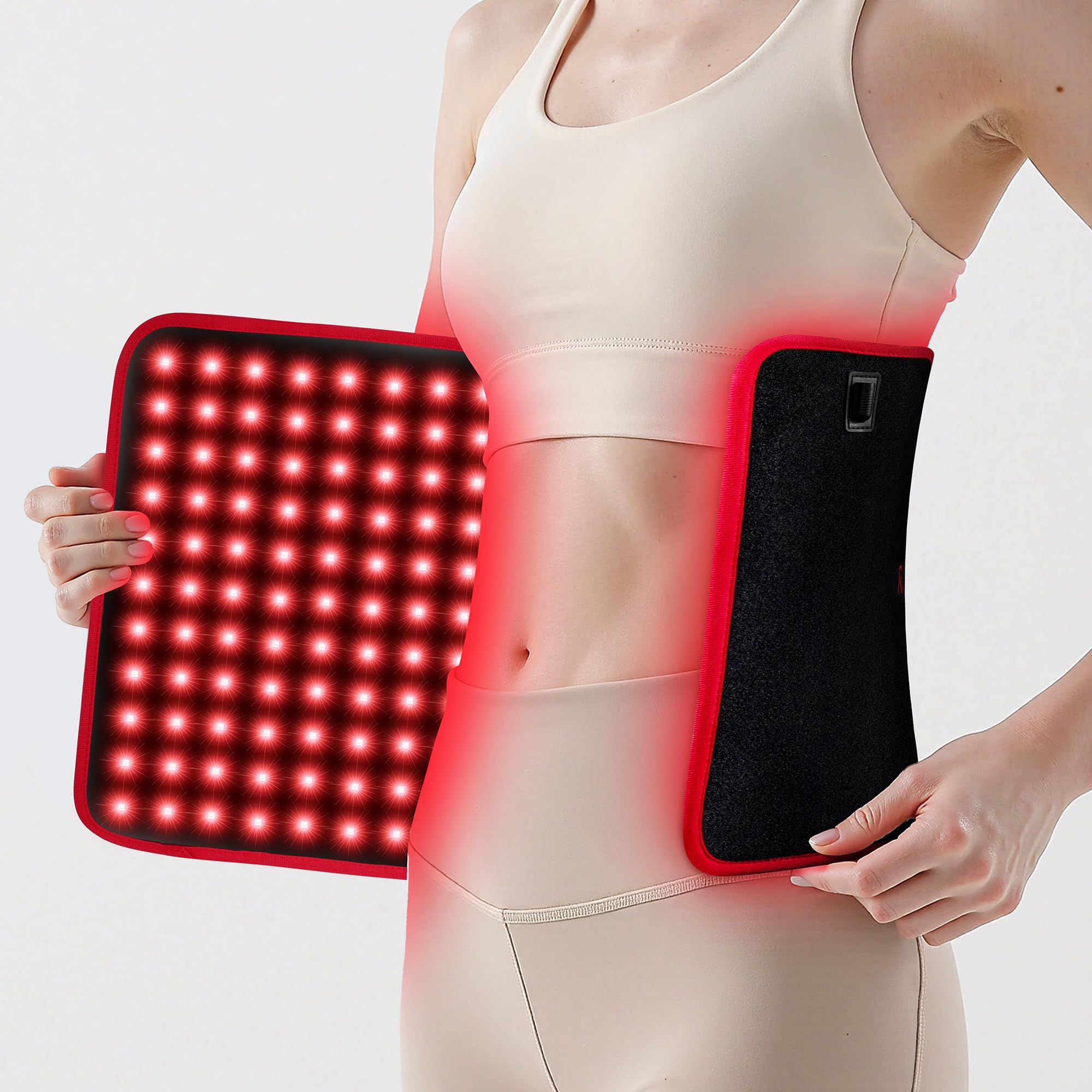
Red light therapy for pain works by delivering wavelengths of red (630-700 nm) and near-infrared (700-900 nm) light into muscle, joint, and nerve tissue, where the photons stimulate mitochondria to produce more adenosine triphosphate (ATP) and reduce the inflammatory cytokines that drive chronic pain signaling. A 2023 meta-analysis concluded that photobiomodulation (PBM) is comparably effective to pharmaceutical interventions for musculoskeletal pain while offering a vastly superior safety profile, and a 2026 systematic review found that 13 of 14 chronic pain clinical trials reported zero adverse events from the therapy. Unlike oral pain medications that mask symptoms through chemical receptor binding, red light therapy addresses pain at its biological source by reducing the inflammation and cellular energy deficits that produce pain signals in the first place. This article covers how red light therapy relieves pain, which conditions respond best, what the clinical trial data shows for each one, and how to build an effective treatment protocol.
How Does Red Light Therapy Relieve Pain?
Red light therapy relieves pain by increasing ATP production in damaged or inflamed cells, reducing pro-inflammatory cytokines, stimulating endorphin release, and improving local blood circulation to the affected tissue. These four mechanisms work simultaneously during each session to address pain at multiple biological levels. Red and near-infrared light photons penetrate the skin and are absorbed by cytochrome c oxidase, an enzyme in the mitochondrial electron transport chain. Cytochrome c oxidase releases nitric oxide from its binding site when it absorbs light photons, which allows oxygen to bind more efficiently and increases ATP output by 30% to 50% in stimulated cells, according to photobiomodulation research published in Seminars in Cutaneous Medicine and Surgery.
ATP is the primary energy currency that cells use for repair, regeneration, and immune function. When tissue is damaged or chronically inflamed, the cells in that area operate in an energy deficit. Mitochondria in injured tissue produce less ATP than healthy cells, which slows healing and perpetuates the inflammatory cycle. Red light therapy breaks that cycle by restoring cellular energy to levels where repair processes can proceed normally. The increased ATP also triggers a downstream reduction in pro-inflammatory cytokines including interleukin-6 (IL-6) and tumor necrosis factor-alpha (TNF-alpha), the signaling molecules that amplify pain, swelling, and tissue damage at injury sites. The anti-inflammatory effect is not a numbing mechanism like NSAIDs or opioids. It is a genuine reduction in the biological process that creates pain.
Red light therapy also stimulates the release of endorphins, the body's natural pain-relieving molecules. Endorphins bind to opioid receptors in the nervous system and reduce the perception of pain without the side effects or dependency risks associated with pharmaceutical opioids. The improved blood circulation from vasodilation (widening of blood vessels) delivers more oxygen and nutrients to the treated area while carrying away metabolic waste products that contribute to soreness and stiffness. This combination of cellular energy restoration, inflammation reduction, natural pain modulation, and improved circulation is why red light therapy produces meaningful relief across such a wide range of pain management conditions.
Does Red Light Therapy Really Help With Pain?
Yes, red light therapy really helps with pain, and the clinical evidence supporting its effectiveness has grown substantially over the past decade. A comprehensive analysis across 8 human studies involving 395 participants found red light therapy effective for musculoskeletal pain, with the CURE Index scoring this condition 92 out of 100, indicating strong confidence in the result. A 2019 review analyzing 18 controlled trials found consistent pain reduction across various conditions, and a 2018 study documented approximately 30% pain reduction for chronic pain sufferers overall. The evidence is strongest for osteoarthritis, rheumatoid arthritis, chronic low back pain, fibromyalgia, tendinopathy, and neuropathic pain.
Dr. Jacob Calcei, an orthopedic sports medicine physician at University Hospitals, stated that red light therapy has shown early promise for treating tendinopathies and inflammatory conditions closer to the skin surface, as well as potential benefits for patients with chronic pain. He noted that the therapy is being used best in the recovery process, as people try to decrease inflammation and heal better. The data is not unanimous, and not every pain condition responds equally. Mechanical injuries like ligament tears that require surgical reconstruction do not respond to red light therapy because the problem is structural, not inflammatory. Red light therapy works best where inflammation, cellular energy deficit, or impaired circulation is the primary driver of pain.
What Does Mayo Clinic Say About Red Light Therapy?
Mayo Clinic recognizes red light therapy as a treatment for promoting healing and for certain skin conditions, while noting that more research is needed for some of its broader applications. The institutional position aligns with the current medical consensus: photobiomodulation has meaningful evidence for specific conditions, particularly skin rejuvenation, wound healing, and certain pain applications, but lacks the large-scale definitive trials needed for universal clinical recommendations across all promoted uses. The Cleveland Clinic similarly notes that published studies show promise but that the full effectiveness has yet to be determined through gold-standard placebo-controlled trials with large sample sizes.
The gap between clinical evidence and universal medical endorsement is narrowing. The Journal of the American Academy of Dermatology published a 2024 continuing medical education review acknowledging photobiomodulation's favorable safety profile and its potential as an alternative or adjunct to pharmacotherapy. A 2025 umbrella review analyzing 204 randomized controlled trials described fibromyalgia as one of the conditions with the strongest evidentiary support for photobiomodulation, alongside tendinopathy and osteoarthritis. These are not fringe studies. They are large-scale systematic analyses published in peer-reviewed medical journals that reflect a clear trend toward broader acceptance of light-based therapies in mainstream pain management.
Is Red Light Therapy Real or Gimmick?
Red light therapy is real, backed by hundreds of peer-reviewed studies, multiple meta-analyses, and decades of clinical application. It is not a gimmick, but it is also not a miracle cure for every condition it is marketed for. The distinction matters. For pain conditions with strong evidence, including osteoarthritis, chronic low back pain, fibromyalgia, and tendinopathy, the clinical trial data shows statistically significant and clinically meaningful improvements compared to both placebo and, in some cases, conventional pharmaceutical treatment. For other marketed uses like weight loss, cellulite removal, or cognitive enhancement, the evidence is either preliminary or absent. A responsible assessment of red light therapy for pain recognizes both the legitimate science and the marketing hype that sometimes surrounds it.
Does Red Light Therapy Help Arthritis?
Yes, red light therapy helps arthritis, and the evidence is strongest for knee osteoarthritis and rheumatoid arthritis. A 2024 network meta-analysis of 13 randomized controlled trials involving 673 patients found that near-infrared light therapy delivered the largest pain reduction in knee osteoarthritis, with a SUCRA score of 86.90%, which indicates a high probability of being the most effective intervention among those compared. A separate comparative study found 86% efficacy for laser therapy versus 50% for placebo and 40% for non-steroidal anti-inflammatory drugs (NSAIDs) in knee osteoarthritis, meaning red light therapy outperformed the most common over-the-counter pain medication by more than double in that trial.
For rheumatoid arthritis, a review of 18 double-blind trials documented an 80% success rate in relieving chronic joint pain and acute small joint inflammation. A study of 170 patients with rheumatoid arthritis showed pain attenuation of up to 90%. Red light therapy addresses arthritis pain through two pathways: reducing the inflammatory cytokines that cause joint swelling and tenderness, and stimulating collagen healing in the cartilage and connective tissue surrounding the joint. PEMF therapy works through a complementary electromagnetic mechanism that also supports joint health, and many people with arthritis benefit from combining both modalities in a single wellness protocol.
Does Red Light Therapy Help Back Pain?
Yes, red light therapy helps back pain, with controlled studies showing significant pain reduction for both chronic and acute low back conditions. A 2020 study published in the Spine Journal found that people with chronic low back pain who received red light therapy experienced a 42% reduction in pain intensity, while the control group saw only a 17% improvement. For acute back pain, a 2021 study revealed that adding red light therapy to standard care resulted in 35% less pain medication use and approximately four days faster return to normal daily activities compared to standard care alone.
Back pain responds well to near-infrared wavelengths (810-850 nm) because the deeper penetration reaches the paravertebral muscles, facet joints, and ligaments that generate most low back pain signals. The lumbar spine sits beneath several layers of muscle and connective tissue, so the longer wavelengths that penetrate to 5-10 mm depth are more effective for this region than shorter red wavelengths that stop at the superficial dermis. We see strong results at our Bedford Hills wellness center when members combine near-infrared therapy with massage therapy for back pain, because the massage addresses muscular tension while the light addresses the underlying inflammatory process.
Can Red Light Therapy Help Fibromyalgia?
Yes, red light therapy can help fibromyalgia, and the evidence for this condition is among the strongest in the photobiomodulation literature. A 2019 meta-analysis of 9 randomized controlled trials published in the European Journal of Clinical Investigation found large, statistically significant improvements across multiple fibromyalgia symptoms: pain (standardized mean difference of 1.18), fatigue (SMD 1.40), depression (SMD 1.46), and anxiety (SMD 1.46). In clinical research, an SMD above 0.8 is considered a large effect. The fibromyalgia results exceeded that threshold across every measured outcome.
A 2025 umbrella review analyzing 204 randomized controlled trials rated photobiomodulation for fibromyalgia fatigue at moderate certainty, the highest tier achieved in the analysis, with the largest effect size (eSMD 1.25) among all musculoskeletal outcomes reviewed. A separate 2025 scoping review covering 702 fibromyalgia participants found consistent reports of reduced pain, lower medication use, less stiffness and fatigue, and improved memory, alongside increased energy, motivation, and engagement in daily life. A triple-blinded RCT published in Frontiers in Neuroscience in 2024 followed 42 fibromyalgia patients for six months after whole-body photobiomodulation and found that quality-of-life improvements persisted at the six-month mark, suggesting benefits that outlast the active treatment period.
What Is Red Light Therapy for Neuropathy?
Red light therapy for neuropathy uses near-infrared wavelengths to reduce nerve pain, decrease inflammation around damaged nerves, and potentially improve actual nerve conduction velocity. A 2022 clinical trial published in Pain Management focused on diabetic neuropathy and found a 33% reduction in pain scores after 8 weeks of red light therapy. More significantly, researchers documented improvements in nerve conduction velocity, which suggests that the therapy may address underlying nerve dysfunction rather than simply masking symptoms. This distinction is critical for neuropathy patients, because most conventional pain treatments only block pain signals without repairing the damaged nerve fibers that produce them.
For chemotherapy-induced peripheral neuropathy (CIPN), a 2020 study demonstrated significant pain reduction and improved quality of life with red light therapy treatments. A 2017 study on CIPN by Argenta et al. observed a 32-53% reduction in modified Total Neuropathy Score. Microcirculation therapy through AVACEN treatment complements neuropathy management by improving blood flow to the extremities where neuropathic symptoms concentrate.
What Is Red Light Therapy for Feet and Legs?
Red light therapy for feet and legs targets peripheral neuropathy, plantar fasciitis, ankle sprains, restless legs, and circulation-related pain in the lower extremities. The feet and lower legs are among the most common sites for neuropathic pain because the longest peripheral nerves in the body terminate there, making them the most vulnerable to damage from diabetes, chemotherapy, and other systemic conditions. Near-infrared light at 810-850 nm penetrates through the skin and subcutaneous tissue of the feet to reach the nerve endings, small joint capsules, and plantar fascia where pain originates. A meta-analysis on ankle sprains included nearly 600 patients and found meaningful improvements in pain and recovery time with photobiomodulation.
Does Red Light Therapy Help With Muscle Recovery?
Yes, red light therapy helps with muscle recovery by reducing delayed-onset muscle soreness (DOMS) by up to 39% and cutting recovery time by up to 60%, according to published research reviews. Athletes and fitness enthusiasts use red light therapy both before and after training sessions to protect against exercise-induced muscle damage and accelerate the repair process. A double-blind randomized controlled trial on sports injuries (n=32) found that low-level laser therapy was effective in 75% of the active treatment group compared to 0% of the placebo group, with a pain relief rate of 36.94% versus 8.20% in the placebo arm.
The mechanism behind faster muscle recovery involves the same cellular energy pathway that drives pain relief. Red light therapy lowers the levels of creatine kinase, an enzyme associated with muscle damage after intense physical activity. University Hospitals orthopedic surgeon Dr. Jacob Calcei noted that red light may prevent the enzyme's ability to act, if used just before activity. This pre-conditioning effect explains why many professional sports teams and training facilities now incorporate red light therapy into both pre-workout and post-workout protocols. Combining red light with infrared sauna sessions after training provides deep tissue warmth alongside the photobiomodulation effect, addressing both circulation and cellular repair simultaneously.
Pain ConditionEvidence StrengthKey Clinical FindingBest WavelengthTimeline to ResultsKnee osteoarthritisStrong (multiple meta-analyses)86.90% SUCRA score; 86% efficacy vs. 40% NSAIDs810-850 nm (NIR)4-8 weeksRheumatoid arthritisStrong (18 double-blind trials)80% success rate; pain attenuation up to 90%810-850 nm (NIR)6-8 weeksChronic low back painStrong (Spine Journal RCT)42% pain reduction vs. 17% control810-850 nm (NIR)4-8 weeksFibromyalgiaStrong (2025 umbrella review)SMD 1.18 pain, 1.40 fatigue (large effects)660 nm + 850 nm (combined)8-12 weeksDiabetic neuropathyModerate (RCT data)33% pain reduction; nerve conduction improvement810-850 nm (NIR)8-12 weeksTendinopathyModerate (17 clinical trials)Low-to-moderate evidence for pain relief and function660 nm (red)4-6 weeksPost-workout sorenessModerate (multiple reviews)39% DOMS reduction; 60% faster recovery630-660 nm + 810-850 nm1-3 days per session
Sources: 2024 network meta-analysis (n=673); European Journal of Clinical Investigation (2019 meta-analysis); Spine Journal (2020 RCT); Pain Management (2022 trial); WebMD/Cochrane tendinopathy review; published athletic performance reviews
Does Red Light Therapy Reduce Inflammation?
Yes, red light therapy reduces inflammation by modulating the production of pro-inflammatory cytokines and increasing the activity of anti-inflammatory signaling pathways at the cellular level. The primary mechanism involves the downregulation of interleukin-6 (IL-6), tumor necrosis factor-alpha (TNF-alpha), and interleukin-1-beta (IL-1beta), the three cytokines most responsible for driving chronic inflammatory pain cycles. Red light simultaneously upregulates interleukin-10 (IL-10), an anti-inflammatory cytokine that suppresses the immune overreaction that perpetuates conditions like rheumatoid arthritis, tendinitis, and fibromyalgia. BEMER therapy supports this anti-inflammatory process through enhanced microcirculation, which delivers more oxygen to inflamed tissue and carries away the metabolic byproducts of the inflammatory response.
The anti-inflammatory effect of red light therapy is not a temporary suppression of symptoms. It is a genuine shift in the cellular environment from a pro-inflammatory state to a repair-oriented state. This distinguishes photobiomodulation from pharmaceutical anti-inflammatories, which block specific enzymes (COX-1, COX-2 for NSAIDs) or cytokine receptors but do not change the underlying cellular energy balance. When cells receive adequate ATP from mitochondrial stimulation, they shift resources from defensive inflammatory signaling to active tissue repair. That cellular shift is the foundation of every pain condition that responds to red light therapy.
Is Red Light Therapy Better Than NSAIDs for Pain?
Red light therapy has shown comparable or superior efficacy to NSAIDs for certain musculoskeletal pain conditions, with a significantly better safety profile. A comparative study on knee osteoarthritis found 86% efficacy for laser therapy versus 50% for placebo and 40% for NSAIDs. A comprehensive 2023 meta-analysis concluded that photobiomodulation was comparably effective to pharmaceutical interventions for musculoskeletal pain while offering a vastly superior safety profile. NSAIDs carry well-documented risks including gastrointestinal bleeding, kidney damage, and cardiovascular events with long-term use, risks that do not apply to red light therapy.
Red light therapy should not be framed as a universal replacement for pain medication without physician guidance. Some acute pain conditions require pharmaceutical intervention, and chronic conditions like rheumatoid arthritis often need disease-modifying medications that red light cannot replace. The strongest use case for red light therapy is as a complementary modality that reduces the total amount of pain medication needed over time. The 2021 acute back pain study found that adding red light therapy to standard care resulted in 35% less pain medication use, which represents a meaningful reduction in pharmaceutical exposure and its associated side effects. Our Westchester County wellness center incorporates light therapy alongside multiple natural modalities precisely because this layered approach helps members reduce their reliance on medication while maintaining effective pain control.
How Long Does It Take for Red Light Therapy to Work for Pain?
Red light therapy takes 1 to 3 weeks for acute soreness, 4 to 8 weeks for chronic musculoskeletal and arthritis pain, and 8 to 12 weeks for neuropathy and fibromyalgia to produce noticeable improvement. The timeline depends on the condition being treated, the severity of the inflammation, and the consistency of the treatment schedule. Acute conditions with active inflammation respond faster because the cellular energy deficit is temporary and the tissue has strong baseline repair capacity. Chronic conditions take longer because the inflammatory cycle has become self-sustaining and the tissue requires more cumulative photobiomodulation sessions to shift the cellular environment from inflammation to repair.
The condition-specific results timeline based on clinical trial data follows this progression:
- Acute muscle soreness and post-workout recovery: 1 to 3 days per treatment session (immediate enzyme-level changes)
- Acute injury pain (sprains, strains): 1 to 3 weeks of consistent sessions (inflammation reduction and early tissue repair)
- Chronic musculoskeletal pain (back, neck, shoulder): 4 to 8 weeks at 3-5 sessions per week
- Osteoarthritis and rheumatoid arthritis: 4 to 8 weeks for initial improvement; continued sessions for sustained benefit
- Tendinopathy (Achilles, rotator cuff, tennis elbow): 4 to 6 weeks of regular treatment
- Diabetic neuropathy and peripheral nerve pain: 8 to 12 weeks (nerve repair is a slow biological process)
- Fibromyalgia (widespread pain, fatigue, mood): 8 to 12 weeks for initial improvement; 6+ months for maximum benefit
Is 10 Minutes of Red Light Therapy Enough?
Ten minutes of red light therapy is enough for surface-level pain conditions like tendinitis, minor muscle soreness, and joint stiffness when using a device with adequate power density (20-50 mW/cm²). For deeper pain targets like spinal joints, hip arthritis, or neuropathic pain in the extremities, 15 to 20 minutes per treatment area delivers the total energy dose (measured in joules per square centimeter) needed to reach tissue at depths of 5 to 10 mm. The key factor is total energy delivered, not just time. A high-powered clinical panel delivers 12 J/cm² in 6 to 7 minutes, while a lower-powered at-home device needs 15 to 20 minutes to reach the same dose.
Is 30 Minutes of Red Light Therapy Too Much?
Thirty minutes of red light therapy may be too much for a single treatment area, depending on the device's power output. Red light therapy follows a biphasic dose response: moderate doses produce therapeutic benefits, while excessive doses cause diminishing returns or mild tissue irritation. For most clinical-grade devices, 20 minutes per area represents the upper boundary of the optimal dose window. However, 30-minute total sessions that cover multiple body areas (15 minutes on the lower back, then 15 minutes on the knees, for example) stay within safe and effective parameters because each area receives only half the total session time.
Is It Okay to Do Red Light Therapy Every Day?
Yes, it is okay to do red light therapy every day during acute pain episodes or the first two weeks of a new treatment protocol. Daily sessions accelerate the initial cellular response and help establish the anti-inflammatory shift more quickly. After the first two to three weeks, most clinical protocols recommend tapering to 3 to 5 sessions per week. Rest days between sessions allow cells to complete the repair cycle that each treatment initiates. The 2026 systematic review covering 14 chronic pain trials confirmed that adverse events from photobiomodulation are extremely rare, reinforcing the safety of daily use when needed.
How Many Sessions of Red Light Therapy to See Results?
Most people need 8 to 12 sessions of red light therapy to see initial pain relief, and 20 to 30 sessions to achieve sustained improvement. The 2020 Spine Journal study on chronic low back pain measured outcomes after consistent multi-week treatment protocols, and the fibromyalgia meta-analysis included trials ranging from 4 to 12 weeks of regular sessions. Early improvements in morning stiffness and acute soreness often appear within the first 4 to 6 sessions, while deeper changes in chronic pain patterns and function require the cumulative effect of 20 or more treatments. Consistency is the single most important factor. Sporadic sessions, even over a long period, produce weaker results than regular sessions over a shorter period.
How Can I Tell If Red Light Therapy Is Working?
You can tell red light therapy is working by tracking specific, measurable changes in your pain experience over the first 4 to 8 weeks of consistent treatment. The improvements are gradual rather than dramatic, so tracking them systematically prevents the common mistake of abandoning the therapy before it reaches full effectiveness.
Signs that red light therapy is reducing your pain include:
- Reduced morning stiffness duration (joints loosen up faster after waking)
- Decreased reliance on over-the-counter or prescription pain medication
- Improved range of motion in affected joints (reaching further, bending easier)
- Better sleep quality due to less nighttime pain interruption
- Increased tolerance for physical activity without flare-ups
- Reduced swelling or visible inflammation around treated joints
- Improved mood and energy (especially relevant for fibromyalgia patients, where fatigue and depression also improve)
Keeping a simple daily pain journal with a 1-to-10 pain rating helps you see the trend line over weeks, even when individual days fluctuate. Muscle tension and stiffness often improve before pain levels drop, so tracking mobility and function alongside pain provides a more complete picture of your progress.
What Not to Do After Red Light Therapy?
After red light therapy, do not apply ice to the treated area, do not apply topical pain medications for at least 30 minutes, and do not skip hydration. Red light therapy stimulates vasodilation (widening of blood vessels) to increase blood flow and nutrient delivery to the treated tissue. Applying ice immediately after a session constricts those blood vessels and partially reverses the circulatory benefit the therapy just produced. Topical pain creams containing menthol, camphor, or capsaicin also create counteracting sensory signals that can interfere with the nerve modulation effects of the treatment. Wait at least 30 minutes before applying topical products so the cellular response has time to establish itself.
Hydration matters because the metabolic processes that red light therapy activates, including ATP production, inflammation reduction, and waste clearance, all require adequate water to function efficiently. Drink 8 to 16 ounces of water within 30 minutes after each session. Some people experience mild fatigue, lightheadedness, or a temporary increase in soreness in the hours following a session. These responses are normal and indicate that the body is processing the cellular changes the light initiated. Our previous blog on side effects covers these temporary reactions in full detail.
Why Do I Feel Worse After Red Light Therapy?
Feeling worse after red light therapy happens because the light stimulates cellular repair processes that temporarily increase local inflammation before the anti-inflammatory cascade completes its work. This response is sometimes called a "healing crisis" or Herxheimer-like reaction, where the body's accelerated repair activity briefly amplifies symptoms before resolving them. The increase in ATP production also mobilizes metabolic waste products from damaged tissue, and those waste products can cause temporary soreness, fatigue, or a headache as the lymphatic system clears them from the area.
The most common reason for feeling worse is that the session dose was too high for your current tolerance level. Reducing the session length by 5 minutes, increasing the device distance from the skin, or adding an extra rest day between sessions usually eliminates the post-treatment flare. The 2026 systematic review of chronic pain trials found that adverse events from photobiomodulation are mild and transient, confirming that temporary worsening resolves on its own and does not indicate harm. If discomfort persists beyond 48 hours or worsens with each session, reduce the dose further and discuss your response with a healthcare provider. Light therapy sessions at our center are guided by trained wellness professionals who adjust session parameters based on each member's individual response.
Frequently Asked Questions
Can Red Light Therapy Replace Pain Medication?
Red light therapy can reduce the amount of pain medication needed but should not replace prescribed medications without physician guidance. The 2021 acute back pain study found 35% less pain medication use when red light therapy was added to standard care. The therapy works best as a complementary modality that lowers pharmaceutical exposure over time while maintaining effective pain control through natural cellular mechanisms.
Is Red Light Therapy Safe for Elderly Patients With Chronic Pain?
Red light therapy is safe for elderly patients and may be particularly beneficial for age-related conditions like osteoarthritis, neuropathy, and chronic musculoskeletal stiffness. The 2026 systematic review covering 14 chronic pain trials reported zero adverse events in 13 of those studies. Elderly patients should start with shorter sessions of 10 minutes and increase gradually, and those taking photosensitizing medications should consult their physician before beginning treatment.
Can Red Light Therapy Help With Post-Surgical Pain?
Red light therapy shows promise for post-surgical pain and recovery. Stanford Medicine dermatologist Dr. Nour Kibbi referenced a blepharoplasty study where red light-treated surgical scars healed in half the time compared to untreated scars. The anti-inflammatory and collagen-stimulating properties of photobiomodulation support tissue repair during the critical early weeks of surgical recovery. Always get clearance from your surgeon before applying any light-based therapy to a surgical site.
Does Red Light Therapy Work for Headaches or Migraines?
Preliminary evidence suggests red light therapy may help reduce tension headaches and migraine frequency through anti-inflammatory effects and improved cervical circulation. However, the evidence base for headache-specific applications is still limited compared to musculoskeletal and neuropathic pain. People with light-sensitive migraines should approach red light therapy cautiously and avoid direct exposure near the eyes during headache episodes.
How Deep Does Near-Infrared Light Penetrate for Pain Relief?
Near-infrared light at 810-850 nm wavelengths penetrates human tissue to a depth of 5 to 10 millimeters or more, depending on the tissue composition and the power density of the device. A 2017 study published in Photochemistry and Photobiology confirmed that longer wavelengths penetrate systematically deeper into biological tissue. That penetration depth reaches muscle, joint capsules, tendons, and peripheral nerve endings where most pain conditions originate.
Putting It All Together
Red light therapy for pain addresses the biological source of inflammation and cellular energy deficit that drives chronic and acute pain conditions. The clinical evidence now includes meta-analyses with hundreds of patients, controlled trials published in peer-reviewed medical journals, and systematic reviews covering decades of photobiomodulation research. Knee osteoarthritis responds at 86% efficacy compared to 40% for NSAIDs. Chronic low back pain improves by 42% compared to 17% in controls. Fibromyalgia shows large effect sizes across pain, fatigue, depression, and anxiety. Neuropathy patients experience both pain reduction and measurable nerve conduction improvement. The therapy is safe, non-invasive, and produces no serious adverse events in the vast majority of clinical trials.
The most effective approach to red light therapy for pain combines consistent treatment at the right wavelength, dose, and frequency with realistic expectations about the timeline for improvement. Results are gradual and cumulative, built session by session over weeks and months. If you are managing chronic pain and want to explore whether photobiomodulation fits your wellness plan, Quantum Healing & Wellness offers professional infrared sauna and red light therapy sessions alongside complementary modalities including PEMF, BEMER, AVACEN, and massage therapy. Reach us through our contact page or call (914) 218-3428 to schedule a free consultation with Dr. Adams.
Read our recent Blogs
Quantum Healing and Wellness PMA in Westchester NY is commited to wellness conent for you









.avif)
.png)

.png)