


.avif)



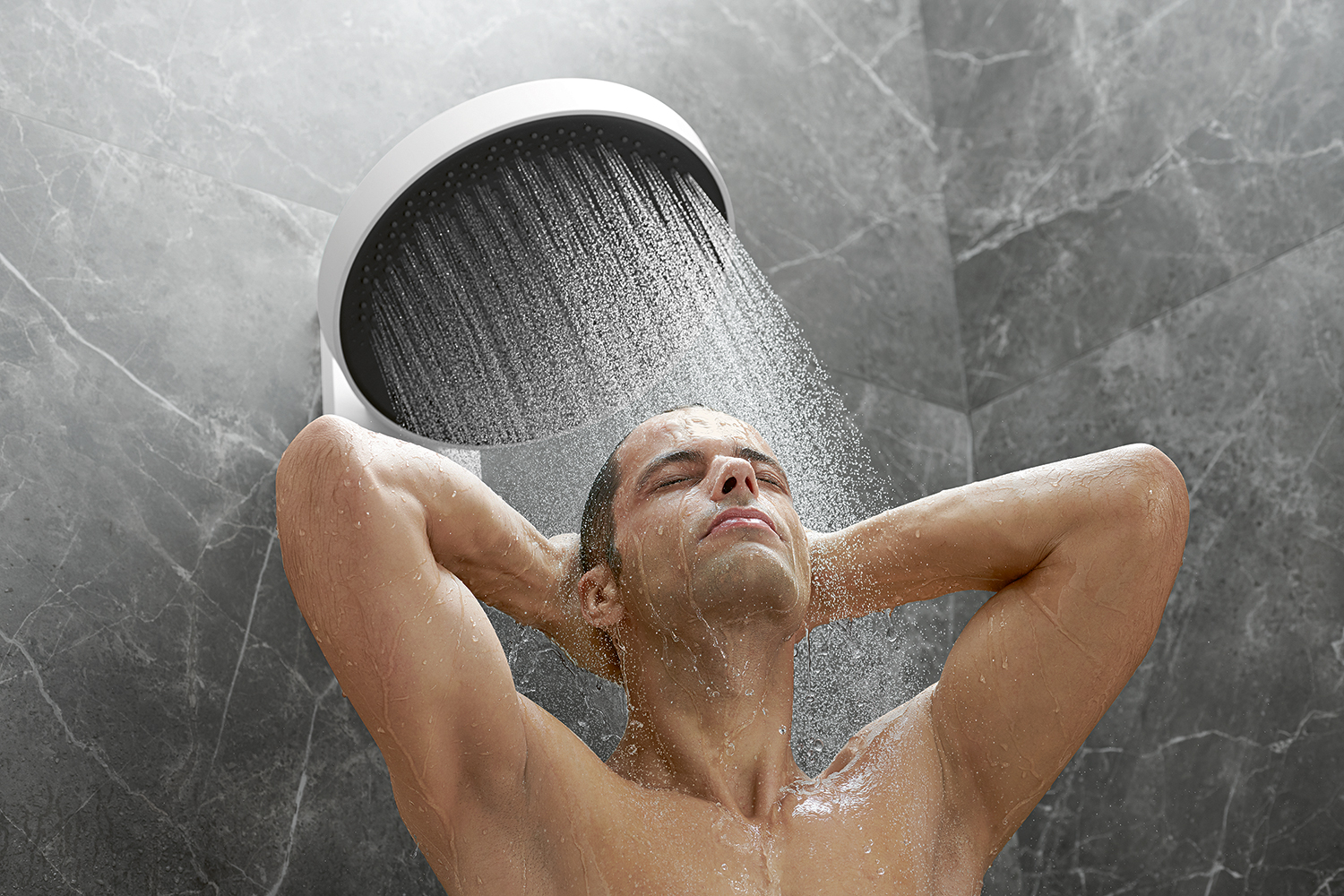
Yes, you can shower after a massage. Wait 30 to 60 minutes, keep the water warm rather than hot, and you will keep everything the session gave you. The reasoning behind that advice is worth knowing, because much of what circulates online about pores, oils, and toxins is inaccurate, and the real reasons point toward slightly different choices. Below we cover the timing, the water temperature that works best, baths and saunas, what happens if you skip the shower entirely, whether to shower before instead, and who needs to be more careful than average.
Can You Shower After a Massage?
Yes, you can shower after a massage. Waiting 30 to 60 minutes and using warm rather than hot water gives you the best result, and neither the wait nor the temperature is arbitrary. Showering will not undo the treatment, cancel the benefits, or waste the money you spent. The advice you have heard exists for reasons that are real but smaller than most people assume.
Two variables matter here, and only two: how long you wait, and how hot the water is. Everything else, including soap, shampoo, water pressure, and whether you shower or bathe, has almost no bearing on what the session accomplished. Getting those two right takes no effort and removes the only genuine downsides.
We give this guidance at the end of every massage therapy session, because it comes up more often than almost any other aftercare question. People are often surprised the answer is this permissive.
When Can I Take a Shower After a Massage?
You can take a shower 30 to 60 minutes after a massage. That window covers the period when your blood pressure and circulation are still settling back toward baseline, which is the only part of the timing with a physiological basis.
Advice on this varies widely, and the variation is worth explaining rather than glossing over. Many practitioners say one hour. Some spas recommend two to three hours. A few say it makes no difference at all. The spread exists because most of the longer recommendations rest on the idea that massage oils need extended time to absorb and deliver therapeutic effects, which overstates what standard massage lotion actually does. Once you set that reasoning aside, the shorter window holds up.
A practical test beats any clock. Stand up, walk around for a minute, and notice whether you feel steady and clear-headed. Steadiness means your circulation has caught up, and you can shower whenever you like from that point. Lingering lightheadedness means give it another twenty minutes. Broader aftercare choices in the hours after a massage follow the same principle of letting the body lead rather than following a rule.
Why Do Therapists Tell You to Wait Before Showering?
Therapists tell you to wait before showering because your blood pressure sits lower than usual right after a session, your tissue has just been worked, and your nervous system needs a few minutes to settle. Three reasons, all modest, and all better explanations than the ones usually given.
Blood pressure is the most concrete of the three. A systematic review and meta-analysis covering 24 studies and 1,962 people with essential hypertension found that massage combined with antihypertensive medication lowered systolic pressure by 6.92 mmHg and diastolic pressure by 3.63 mmHg compared with medication alone. A preliminary study by Cambron and colleagues at the National University of Health Sciences measured an average systolic drop of 1.8 mmHg after therapeutic massage. The effect size is genuinely contested, and a separate meta-analysis found only minimal reduction with high variability between studies, so the honest summary is that pressure tends to fall somewhat and the amount differs person to person.
Hot water pushes in the same direction. Standing in a hot shower dilates blood vessels near the skin, which lowers pressure further. Doing that while already mildly hypotensive, and while standing up after lying down for an hour, is the actual mechanism behind feeling faint. This is not theoretical: clinical trials involving hot-water immersion withdraw participants if blood pressure falls more than 10 mmHg or they report lightheadedness, nausea, or a racing heart. The physiology behind those changes is covered more fully in our post on what happens inside your body during and after a session.
The third reason is the nervous system. A session shifts you into a parasympathetic state, the setting that governs rest and repair, and a sudden thermal jolt is arousing enough to pull you partway back out of it. Warm water does not do this; hot or cold water can. The nervous system shift is the part of a massage with the longest tail, so protecting it for half an hour is a reasonable trade.
Does Showering Wash Away the Benefits of a Massage?
No, showering does not wash away the benefits of a massage. The benefits live in muscle tissue that has been lengthened, in trigger points that have released, in circulation that has improved, and in a nervous system that has changed state. None of those sit on the surface of your skin, and none of them rinse off.
What does rinse off is oil or lotion, which is a friction-reducing medium rather than a treatment. Some practices use aromatherapy oils with genuine properties of their own, and if yours did, keeping them on for an hour is reasonable. Standard massage lotion is not doing therapeutic work after the session ends.
Do Hot Showers Open or Close Your Pores?
Hot showers do not open your pores, and cold water does not close them. Pores contain no muscles, hinges, or valves, which means they have no mechanism for opening or closing in response to temperature. Dermatology guidance on this point, including from the American Academy of Dermatology, is consistent and long-established.
What actually changes is appearance. Heat increases blood flow to the skin surface and temporarily plumps the surrounding tissue, which makes pores look more prominent. Cold constricts surface blood vessels and tightens the skin briefly, which makes them look smaller. Warm water also softens the stratum corneum, the outermost layer of skin, so debris lifts away more easily. Easier cleansing is a real effect; changed pore size is not.
This matters because the pore claim is the foundation of the most common version of the shower advice, which says that showering closes your pores and interrupts detoxification. Neither half of that sentence is accurate. Pores do not close on command, and your liver and kidneys handle clearance regardless of what your skin is doing.
Should You Take a Hot or Cold Shower After a Massage?
You should take a warm shower after a massage, not a hot one and not a cold one. Warm sits in the range that feels comfortable without making your skin flush red, and it neither adds thermal stress nor shocks you out of a relaxed state.
Water TemperatureEffect on the BodyWhen It HelpsWhen to Skip ItColdConstricts surface blood vessels, raises alertness, activates the stress responseBrief targeted use on one acutely tender or swollen spotAs a full-body shower in the hours after a sessionCoolMildly constricting, refreshing, minimal circulatory effectHot weather, or if you feel overheated after the tableIf you are already feeling chilled or lightheadedWarmMaintains relaxed muscle tone, supports circulation, no thermal stressThe default choice for almost everyone, 30 to 60 minutes afterwardNo common reason to skip itHotStrong vasodilation, further blood pressure drop, added load on freshly worked tissueThe following day, for stiffness rather than sorenessSame day, and especially within the first hour
Sources: Roxburgh et al., Temperature, February 2025; systematic review and meta-analysis of massage therapy in essential hypertension; American Academy of Dermatology guidance on skin and temperature; Breeze Academy clinical guidance on post-treatment response.
Skin gives you a second reason to keep the water moderate. Very hot water strips sebum and disrupts the skin barrier, and doing that on skin that has just been worked over with oil and friction leaves it drier than usual. Anyone paying attention to skin health has good reason to keep post-massage water warm rather than scalding, entirely apart from the muscle argument.
Can You Take a Bath After a Massage?
Yes, you can take a bath after a massage, and a warm bath about an hour afterward extends the relaxation the session produced. A bath differs from a shower in one important way: immersion delivers far more thermal load than water running over you, so temperature discipline matters more, not less.
Keep it warm rather than hot, and keep it to roughly twenty minutes. Immersion raises core temperature steadily rather than warming the skin surface alone, and a long soak in hot water on the same day as a session stacks two blood-pressure-lowering exposures on top of each other.
Epsom salts are the traditional addition, and the honest position is mixed. Epsom salt is magnesium sulfate, and magnesium does play a direct role in allowing muscle fibers to relax. Whether meaningful amounts absorb through intact skin during a bath is not well established, and the research is thin in both directions. A warm bath is genuinely relaxing regardless, so adding salts costs nothing and may help.
Can You Use a Sauna or Hot Tub After a Massage?
You can use a sauna or hot tub after a massage, but the following day is a better choice than the same day. Heat therapy and massage both work, and both lower blood pressure, which is exactly why stacking them within an hour is the wrong sequence rather than a double benefit.
The numbers show how substantial heat exposure is on its own. Roxburgh and colleagues, publishing in Temperature in February 2025, found that 40 minutes of hot-water immersion at 40°C lowered 24-hour systolic blood pressure by 7 mmHg compared with control. Twenty minutes of hot immersion and 40 minutes of thermoneutral immersion at 36.5°C each produced a 6 mmHg reduction. Those are meaningful cardiovascular effects from heat alone, before any hands-on work is added.
Next-day heat, on the other hand, is genuinely useful. Post-massage soreness typically appears within 12 to 24 hours, which means the morning after is precisely when warmth does the most good. Twenty minutes in the infrared sauna warms deeper tissue than a shower reaches and takes the edge off stiffness before it settles in.
Clients at our Bedford Hills location often book the two on consecutive days for this reason rather than back to back. It spreads the cardiovascular load and puts the heat where it does the most work.
What Happens If You Don't Shower After a Massage?
If you don't shower after a massage, nothing medically significant happens. There is no health consequence to leaving oil on your skin overnight, and plenty of people go straight home and to bed without any issue at all.
The consequences are practical rather than clinical. Oil transfers to clothing, car seats, and bedding, and massage lotion stains fabric in a way that does not always wash out. Residue also sits on the skin as an occlusive layer, and for people who are acne-prone, particularly across the back and shoulders where most of the product ends up, that layer can contribute to breakouts over time.
Skin type decides how much this matters. Dry skin often benefits from leaving lotion on for several hours. Oily or acne-prone skin does better with a rinse the same evening. Either way this is a comfort and skin-care decision rather than a therapeutic one.
What does deserve attention that evening is fluid intake, since staying hydrated supports the clearance work your body is already doing. That matters considerably more than whether you rinsed off.
How Do You Get Massage Oil Off Your Skin?
To get massage oil off your skin, use warm water and a gentle cleanser, working in sections rather than scrubbing. Oil does not respond to water alone, so a plain rinse leaves most of it behind and gives you the worst of both outcomes.
- Wait at least 30 minutes. Let circulation settle before you stand under running water.
- Start with warm water for two minutes. Warmth softens the outer skin layer and loosens the residue before any product touches it.
- Use a gentle, non-stripping cleanser. A mild body wash removes oil effectively. Harsh degreasing soaps strip the skin barrier along with the lotion.
- Work in sections with your hands. Back and shoulders first, since that is where most product accumulates. Hands work better than a loofah or washcloth on skin that was just worked on.
- Skip exfoliants and scrubs entirely. Skin that has had sustained friction applied to it for an hour does not need mechanical exfoliation on top.
- Pat dry rather than rubbing. Leave the skin slightly damp.
- Apply a plain moisturizer while damp. This restores what the cleanser removed and prevents the tight, dry feeling that follows a thorough degreasing.
Increased fluid movement continues for hours after a session, which is why you may notice more trips to the bathroom that evening. That is lymphatic drainage working faster than usual, and it has nothing to do with whether you showered.
Should You Shower First or Massage First?
You should shower first, before your massage, if you are choosing between the two. Showering beforehand solves several things at once and costs nothing.
Warm water before a session raises skin and superficial muscle temperature, and warmer tissue is more pliable under a therapist's hands. That means less pressure is needed to reach the same depth, which usually translates to a more comfortable session and less soreness afterward. It is the same principle behind applying heat before self-massage at home.
Clean, product-free skin also grips better. Lotion, body oil, sunscreen, or self-tanner applied beforehand interferes with the therapist's ability to control pressure and can make techniques slide rather than engage. Arriving with none of that on your skin is genuinely helpful.
The courtesy dimension is real too, and worth stating plainly rather than dancing around. Therapists work in close physical proximity for an hour. Arriving clean is a straightforward kindness, particularly if you are coming from the gym or a physical job.
What Not to Do Before a Massage?
What you should not do before a massage is eat a heavy meal, drink alcohol, apply lotion or self-tanner, train hard, or arrive rushed. Each of these makes the session measurably less effective, and all of them are easy to avoid with a little planning.
- A large meal within two hours. Lying face down on a full stomach is uncomfortable, and digestion pulls blood flow away from the tissue being worked. A light snack an hour or two beforehand is ideal.
- Alcohol beforehand. It dehydrates you and blunts your ability to give accurate feedback on pressure, which is the main safety mechanism in the room.
- Lotion, body oil, sunscreen, or self-tanner. All of them interfere with grip, and self-tanner will transfer onto linens.
- Hard training the same morning. Already-fatigued tissue tolerates pressure poorly and tends to be sorer afterward.
- Excessive caffeine. It raises baseline muscle tone and makes it harder to settle into the table.
- Arriving with no time to spare. Ten minutes of sitting quietly beforehand meaningfully changes how the first twenty minutes of the session go.
- Withholding health information. Recent injuries, surgeries, medications, pregnancy, and skin conditions all change the treatment plan. Mention them at intake rather than mid-session.
Can You Shower After a Deep Tissue Massage?
Yes, you can shower after a deep tissue massage, and warm water is the better choice on the same day. Deep tissue work applies sustained mechanical load to muscle and connective tissue, and the tissue responds with the same repair process that follows unfamiliar exercise. Adding intense heat to tissue in that state tends to increase next-day soreness rather than reduce it.
Timing follows the soreness curve. Soreness after deeper work typically appears within 12 to 24 hours and resolves within 24 to 72 hours. Warm water the same day keeps you comfortable without adding load, and heat the following morning, when soreness is peaking, does the most good. A systematic review and meta-analysis of massage after strenuous exercise found significantly reduced soreness ratings at 24, 48, and 72 hours along with lower serum creatine kinase, so the tissue is genuinely recovering during that window rather than simply hurting. People who come in for neck pain often notice this pattern most clearly, since the upper trapezius and suboccipital muscles tend to be the sorest the next morning.
Pressure tolerance also builds over time. First sessions produce the most soreness, and it should decrease across your first several appointments rather than increase. Our therapists build depth gradually for that reason, so an initial round of deep tissue work is usually lighter than the third one.
Can You Swim After a Massage?
You can swim after a massage, though waiting a few hours works better than going straight from the table to the pool. Three separate factors argue for the delay, and none of them is about the massage being undone.
Chlorine and oiled skin interact poorly. Residual lotion holds chlorinated water against the skin and slows how quickly it rinses away, which raises the odds of irritation for anyone with sensitive skin. Rinsing before you swim solves this entirely.
Exertion is the second factor. Swimming laps is real exercise, and hard training on the same day as a session adds mechanical load to tissue already in a repair cycle. Easy floating or a gentle few lengths is fine; a workout is not.
Cold water is the third. An unheated pool delivers a strong thermal shock at a point when your circulation is still settling, which is the same argument against a cold shower, only more so. A heated pool a few hours later avoids all three problems.
Who Should Take Extra Care With Hot Water After a Massage?
The people who should take extra care with hot water after a massage are those taking blood pressure medication, those with cardiovascular conditions, pregnant clients, and anyone with reduced sensation in the skin. For these groups the general guidance still applies; it simply matters more, and the margin for error is smaller.
Blood pressure medication is the most common of the four. Antihypertensive drugs already lower pressure, massage lowers it somewhat further, and hot water lowers it again. Three effects in the same direction within an hour is how an otherwise healthy person ends up dizzy in the shower. Warm water and a full hour's wait resolve it.
Pregnancy brings its own considerations, since core temperature elevation is best avoided and blood pressure regulation already differs. Warm rather than hot, shorter rather than longer, and no sauna or hot tub the same day is the sensible approach. Reduced skin sensation, which can accompany diabetic neuropathy among other conditions, calls for testing water temperature by hand or thermometer rather than by feel, because the usual warning signal is not reliable.
Medication generally belongs in the intake conversation. Anticoagulant therapy calls for modified pressure during the session itself, and the practical detail on getting a massage while on blood thinners is worth reading before you book rather than after.
Serious problems remain uncommon. A systematic review of adverse events in pain-related massage found 40 published reports covering 138 adverse events across an 11-year span and concluded that the incidence of such events is low. Telling us about your medications and conditions when you book massage sessions is what keeps that number low.
Frequently Asked Questions
Can You Shower Right After a Lymphatic Drainage Massage?
You can shower after a lymphatic drainage massage, and waiting an hour is the usual recommendation. Lymphatic work relies on very light, rhythmic pressure and increased fluid movement continues for a while afterward. Keep the water warm rather than hot, since heat causes fluid to pool in dilated surface vessels and works against what the technique is doing.
Should You Wash Your Hair After a Scalp Massage?
You should wash your hair after a scalp massage if oil was used, though waiting a few hours lets it condition the hair and scalp first. Oil applied to the scalp genuinely does soften and condition, unlike body lotion, so this is the one case where waiting has a real cosmetic benefit. Use a gentle shampoo and expect to need two rounds.
Can You Use Soap and Body Wash After a Massage?
You can use soap and body wash after a massage, and a mild cleanser is the only thing that removes oil properly. Avoid harsh antibacterial or degreasing soaps, which strip the skin barrier along with the lotion and leave skin tight and dry. A gentle, fragrance-free body wash handles the job without the side effect.
Should You Moisturize After Showering Post-Massage?
Yes, you should moisturize after showering post-massage, ideally while your skin is still slightly damp. Cleansing removes the massage lotion along with some of your skin's own oils, so replacing them prevents dryness. Damp skin holds moisturizer better than dry skin, so apply within a few minutes of stepping out.
Is It Okay to Shower After a Prenatal Massage?
Yes, it is okay to shower after a prenatal massage, with warm water and no hot water at all. Elevated core temperature is best avoided during pregnancy, which rules out hot showers, hot baths, saunas, and hot tubs on the same day. Take your time standing up, since blood pressure regulation already shifts during pregnancy.
Does Showering Too Soon Cause Soreness?
Showering too soon does not cause soreness by itself, though a very hot shower on the same day can make existing soreness more noticeable. Soreness after a session comes from mechanical load on tissue, not from water. If soreness is a recurring pattern for you, adjusting pressure and the time between sessions addresses it far more effectively than changing your shower routine.
The Bottom Line
Shower whenever you like after a massage, as long as you give it half an hour and keep the water warm. The wait exists because your blood pressure sits a little lower than usual and standing into hot water while vasodilated is what makes people feel faint, not because water rinses away benefits or seals your pores. Pores have no mechanism for opening or closing, and the treatment lives in your muscles and nervous system rather than on your skin. If you want heat, take it the next morning when soreness is peaking, which is when it actually helps.
The rest is preference. Bath or shower, soap or no soap, same evening or next morning, none of it changes what the session accomplished. If you have a condition or medication that makes any of this less straightforward, tell us at intake and we will build the guidance around your situation.
Any question about your own aftercare is welcome, and we would rather answer it than have you guess. You can reach Quantum Healing & Wellness during opening hours.
Call (914) 218-3428 whenever suits you. We welcome clients from across Westchester County.
Read our recent Blogs
Quantum Healing and Wellness PMA in Westchester NY is commited to wellness conent for you







.avif)
.png)

.png)