



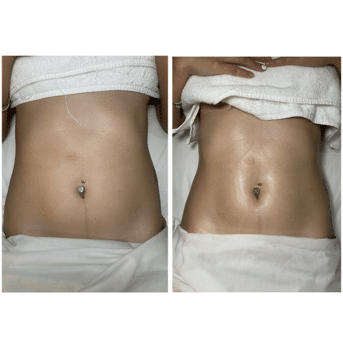
Lymphatic drainage results typically last 3 to 7 days, and the exact duration depends on your metabolism, hydration, diet, and how active you are. The visible de-puffing on the face fades faster, often within a day, while the lighter, less swollen feeling in the body holds for several days. For conditions like lymphedema or swelling after surgery, regular maintenance sessions keep fluid from building back up.
Those two timelines, a short one for the face and a longer one for the body, shape everything else in this guide. Below, we cover why results fade, what makes them last longer, how often to book, how long a session takes, and what research says about results after a series of sessions.
How Long Does Lymphatic Drainage Last?
Lymphatic drainage lasts 3 to 7 days for body results, a few hours to a day for visible facial de-puffing, and longer when sessions are repeated on a schedule. The phrase "how long does lymphatic drainage last" also has a second meaning, since people ask how long a session takes. A face session runs shorter than a full-body session, and session length gets its own section further down.
How Long Do Lymphatic Drainage Results Last?
Lymphatic drainage results last 3 to 7 days for most people after a single session. The first change is a lighter body, less bloating, and less puffiness in the hands, ankles, and legs. Those changes fade gradually as fluid builds back up in the tissues.
Fluid return is gentle and gradual, not sudden. Slow, rhythmic strokes speed up lymph flow toward the lymph nodes, and the kidneys then release the moved fluid as urine over the next day or two.
The slimmer feeling follows the same timeline. Clothes may fit more loosely for several days, but the change is fluid loss, not fat loss, so lasting results still depend on a broader weight management plan.
How Long Does Facial Lymphatic Drainage Last?
Facial lymphatic drainage lasts a few hours to a day for the visible de-puff, and several weeks or more for the brighter tone and smoother texture that build over a series of sessions. Under-eye puffiness and a softer jawline return faster than body swelling does.
Sleep position explains the short facial timeline. Lying flat for a full night lets fluid settle back into the face, so the sculpted, rested look from an afternoon session often softens by the next morning. Skin tone and texture follow a slower path, because steady lymph flow over weeks keeps fluid from stretching the same skin day after day.
Why Do Lymphatic Drainage Results Wear Off?
Lymphatic drainage results wear off because new fluid keeps leaking into the tissues every day, and a session clears today's buildup without stopping tomorrow's. According to Cleveland Clinic, 20 liters of plasma flow out of the capillaries each day, 17 liters return to the bloodstream, and the remaining 3 liters stay in the tissues for the lymphatic system to collect.
Those 3 liters arrive every single day, session or no session. Lymphatic drainage helps the body catch up on a backlog of fluid, and daily habits then decide how fast a new backlog forms. Fading results are a sign of normal fluid turnover, not a sign the session failed.
Stopping sessions does not harm the lymphatic system. The body simply returns to its usual fluid balance, which is why people with chronic swelling keep a regular schedule while healthy people often book only when puffiness or heaviness builds up again.
What Affects How Long Lymphatic Drainage Lasts?
How long lymphatic drainage lasts depends on five factors: hydration, sodium intake, daily movement, sleep and stress, and underlying health conditions. Each factor either slows the return of fluid or speeds it up.
Hydration comes first. Drinking water after a session helps the kidneys keep flushing moved fluid, and skipping water after bodywork shortens the light, de-bloated feeling. Heavy caffeine and alcohol on the same day work against hydration, so water is the better choice for the first 24 hours.
Sodium decides how quickly fluid returns, because the body holds water to balance salt. According to the U.S. Food and Drug Administration (FDA), Americans take in 3,400 milligrams of sodium per day on average, well above the 2,300-milligram daily limit. More than 70% of that sodium comes from packaged, processed, and restaurant food, so a single salty takeout meal can shorten the de-bloated effect.
Movement keeps lymph moving between sessions. Muscles squeeze the lymph vessels as they contract, and Cedars-Sinai notes that even a 15- to 20-minute walk helps the body shift fluid. Long hours of sitting or standing still do the opposite.
Sleep and stress round out the daily factors. Poor sleep and constant stress slow lymph circulation, and better sleep quality helps results hold longer. Underlying health matters too, since conditions like lymphedema, vein disease, and heart or kidney problems bring fluid back much faster than in healthy people.
What Can Block Lymphatic Drainage?
Lymphatic drainage can be blocked by surgery or lymph node removal, radiation, infection, injury, scar tissue, excess body weight, and chronic vein disease. These causes damage lymph vessels or overload them with more fluid than they can carry.
Daily habits create smaller, temporary slowdowns. Long periods without movement, tight clothing, dehydration, salty meals, heat, and long flights all slow fluid return for a day or two. Temporary slowdowns clear quickly once the habit changes, while structural blockages need medical care and a long-term plan.
Do Lymphatic Drainage Results Last Longer After Multiple Sessions?
Yes, lymphatic drainage results last longer after multiple sessions, with some studies showing benefits that held for weeks or months after a full series ended. A 2009 systematic review in the Journal of Manual & Manipulative Therapy gathered several studies that tracked how long the benefits of manual lymphatic drainage (MLD) lasted.
The studies in that review cover different conditions and session counts, which makes the duration pattern easy to see.
The pattern is clear from top to bottom. One or two sessions produce benefits measured in days, while a full series produces benefits measured in weeks or months. The same review also notes that researchers have not yet defined the ideal number of sessions or the best frequency for each condition.
The fibromyalgia result stands out because pain relief held for six months. Light, slow strokes are often easier to tolerate than firm pressure, which makes lymphatic work a gentle option within a broader plan for chronic pain.
Everyday fluid retention follows a similar curve on a smaller scale. A few sessions of lymph-focused massage therapy spaced a week apart tend to stretch the time between "puffy" days, because the body gets regular help clearing its backlog.
How Often Do You Need to Do Lymphatic Drainage?
You need to do lymphatic drainage once a week or every two weeks for general wellness, 2 to 3 times a week at first after surgery, and on an ongoing schedule set by a therapist for lymphedema. The right frequency depends on why you are booking and how fast fluid returns in your body.
Frequency by goal breaks down like this:
- General wellness and de-bloating: Once a week or every two weeks while you build results, then every 3 to 4 weeks for maintenance.
- Recovery after surgery: 2 to 3 sessions a week at first, then tapering to weekly as swelling settles, always on your surgeon's guidance.
- Lymphedema management: Ongoing, structured sessions combined with compression therapy, guided by a certified lymphedema therapist (CLT) and your care team, which is often part of cancer recovery.
- Busy or stressful stretches: Every one to two weeks during travel, long work weeks, or periods of poor sleep.
Rhythm matters more than the exact number. A steady schedule beats occasional long visits, and spacing sessions evenly keeps lymph moving between appointments.
Members at our Bedford Hills center often start with weekly visits and shift to a monthly rhythm for maintenance.
Can You Overdo Lymphatic Drainage?
You can overdo lymphatic drainage by using too much pressure or booking far more sessions than your body needs, which brings discomfort without better results. Lymph vessels sit just under the skin, so firm pressure skips past them and can leave the area sore. Daily professional sessions also add little for healthy people, because the body only has so much excess fluid to move.
Side effects are uncommon and mild. WebMD lists occasional headaches, nausea, and fatigue after a session, and Cleveland Clinic notes that few people have negative reactions. Medical schedules are the exception to "less is more," since people with lymphedema sometimes need several sessions a week under a therapist's guidance.
How Long Does Lymphatic Drainage Take?
Lymphatic drainage takes 15 to 60 minutes for a focused session, and 60 to 90 minutes when it is part of a full-body massage appointment. According to WebMD, a lymphatic drainage massage usually lasts 15 to 60 minutes. Face sessions sit at the shorter end, while legs, abdomen, and full-body work take longer.
Session length follows the drainage sequence. Every session starts by clearing the main drainage points in the neck, armpits, and groin before working on the swollen area, so even a face session includes time on the neck. Our massage sessions typically run 60 to 90 minutes, which leaves room for both the clearing steps and the full body.
Technique also shapes the timing. WebMD describes four common methods, Vodder, Földi, Casley-Smith, and Leduc, and all of them use slow, gentle movements that stretch the skin in the direction of lymph flow.
How Long Should You Do Lymphatic Drainage at Home?
You should do lymphatic drainage at home for 10 to 20 minutes a day, as an ongoing habit rather than a short course. Kelly Sturm, a Doctor of Physical Therapy and certified lymphedema therapist, describes home lymphatic drainage as a routine that takes 10 to 20 minutes. Morning routines target overnight facial puffiness, and evening routines help with relaxation and fluid that pooled in the legs.
Home practice works best as a daily habit. Results from self-massage fade on the same 3- to 7-day timeline as professional sessions, so a few minutes every day keeps fluid moving between visits. Anyone with lymphedema should learn home techniques from a CLT first.
How Can You Make Lymphatic Drainage Results Last Longer?
You can make lymphatic drainage results last longer by drinking water, cutting back on sodium, moving every day, sleeping well, and keeping a regular session schedule. Each habit slows how fast fluid returns to the tissues, which stretches a 3-day result toward 7 days or more.
Gentle heat on a separate day can support circulation too. An infrared sauna session warms the body and improves circulation, which fits well into a weekly wellness routine.
What Clears Lymphatic Blockage?
Lymphatic blockage is cleared by light manual lymphatic drainage, movement, deep breathing, compression, and medical treatment for any structural cause. Temporary slowdowns from sitting, salt, or travel clear with movement, water, and gentle hands-on work. Structural blockages from surgery, radiation, or lymphedema need a medical plan, often complete decongestive therapy (CDT), which combines MLD with compression.
Hands-on work speeds up the clearing in both cases. Regular lymph-focused massage moves fluid toward working lymph nodes, which is why the Cochrane review on breast cancer care describes MLD as a common part of CDT.
What Is a Natural Way to Unclog Your Lymphatic System?
A natural way to unclog your lymphatic system is a daily routine of deep breathing, light self-massage, walking, water, and lower sodium. These habits work together, so the order below builds from the simplest step to the broadest one.
- Breathe deeply. Place both hands on your belly, breathe in so the belly rises, and breathe out slowly. The diaphragm acts like a pump for lymph in the belly.
- Clear the neck first. Tap lightly above each collarbone, then stroke the sides of the neck downward with feather-light pressure.
- Massage toward the nearest nodes. Use slow, skin-stretching strokes that move fluid toward the neck, armpits, or groin, with no oils or lotions.
- Walk for 15 to 20 minutes. Walking squeezes the lymph vessels in the legs with every step.
- Drink water through the day. Steady water intake helps the kidneys clear moved fluid.
- Keep sodium under 2,300 milligrams. Less salt means less water held in the tissues.
- Raise your legs in the evening. A few minutes with the legs above heart level helps drain fluid that pooled during the day.
Rest is the final piece. Light movement and a quiet evening after a massage give the body time to finish moving the fluid a session stirred up.
Frequently Asked Questions
Do You Look Skinnier After Lymphatic Drainage?
Yes, you look skinnier after lymphatic drainage for 3 to 7 days, because your body sheds stored fluid, not fat. The waist looks more defined and clothes fit more loosely. The slimmer look fades as fluid returns, and it lasts longer with water, movement, and lower sodium.
What Happens if You Stop Lymphatic Drainage?
If you stop lymphatic drainage, the benefits fade gradually as your body returns to its usual fluid balance. Stopping does not harm the lymphatic system. People with lymphedema are the exception, since swelling can build back up without regular care, so any change in their schedule should go through their therapist.
Is It Normal for Lymphatic Drainage Results to Vary Between Sessions?
Yes, it is normal for lymphatic drainage results to vary between sessions. Hydration, salt intake, sleep, stress, hormones, and activity all change from week to week, and each one shifts how much fluid the body holds before a session and how fast it returns afterward.
How Long Should Lymphatic Drainage Continue After Surgery?
Lymphatic drainage after surgery should continue until swelling settles, usually starting with 2 to 3 sessions a week and tapering to weekly sessions. The exact length depends on the procedure and your healing, so always follow your surgeon's timeline and get clearance before the first session.
What Are the Types of Lymphatic Drainage Technique?
The types of lymphatic drainage technique are Vodder, Földi, Casley-Smith, and Leduc. Vodder uses sweeping motions, Földi alternates circular motions with pauses, Casley-Smith uses the sides and palms of the hands, and Leduc collects fluid before redirecting it. All four use light pressure that moves the skin in the direction of lymph flow.
The Bottom Line
Lymphatic drainage results last 3 to 7 days in the body and a few hours to a day for visible facial de-puffing. Results fade because 3 liters of fluid return to the tissues every day, and hydration, sodium, movement, sleep, and underlying health decide how fast that happens. A series of sessions lasts much longer than a single visit, with studies showing benefits that held for weeks or months, and a steady schedule plus simple daily habits keeps fluid moving between appointments.
If you want results that hold longer than a few days, a regular rhythm of gentle sessions is the place to start. We would love to help you build that rhythm at Quantum Healing & Wellness.
Our doors in Bedford Hills are open whenever you are ready. Whenever the timing feels right, you can book a visit and we will talk through a schedule that fits your body.
Read our recent Blogs
Quantum Healing and Wellness PMA in Westchester NY is commited to wellness conent for you