



You know you need lymphatic drainage when you have persistent or unexplained swelling in your limbs, face, or abdomen, or when you are managing a medical condition like lymphedema, lipedema, or recovery after surgery. Swelling that keeps coming back, or never fully goes away with rest and elevation, is the clearest sign.
Swelling is only the starting point, though. Below, we cover the physical and whole-body symptoms of poor lymphatic drainage, how to tell everyday puffiness from lymphatic swelling, which medical conditions point to drainage, when to see a doctor first, and simple ways to support your lymphatic system at home.
How Do You Know if You Need Lymphatic Drainage?
You know if you need lymphatic drainage when swelling, heaviness, or puffiness keeps returning for days or weeks and does not improve with rest, elevation, or a good night of sleep. Occasional puffiness after a long flight or a salty dinner is normal. Swelling that sticks around is a different signal.
A quick self-check helps you see the pattern. These are the most common signs people notice first:
- Tight rings or watch: Jewelry feels snug for no clear reason, especially by the end of the day.
- Sock marks and swollen ankles: Ankles, calves, or feet swell by evening and keep deep sock lines.
- Heavy arms or legs: Limbs feel full, tight, or tired, even without hard exercise.
- Lingering facial puffiness: Eyelids and cheeks stay swollen long after you wake up.
- Tight or thick skin: Skin over a swollen area feels firm, stretched, or unusually sensitive.
- Recent surgery or cancer treatment: Surgery, radiation, or lymph node removal happened in the past months or years.
- Long hours sitting or standing: Work or travel keeps you still for most of the day.
The more items that match, and the longer they last, the stronger the case for lymphatic support. Sudden swelling is the exception, since sudden swelling always needs a doctor before any massage.
What Does the Lymphatic System Do?
The lymphatic system collects extra fluid from your tissues, filters it through the lymph nodes, and returns it to the bloodstream. According to Cleveland Clinic, 20 liters of plasma flow out of the capillaries each day, 17 liters return to the bloodstream, and the remaining 3 liters stay in the tissues for the lymphatic system to collect.
Those 3 liters need a steady way out. Cleveland Clinic counts about 600 lymph nodes in the body, yet the lymphatic system has no pump like the heart. Lymph moves through muscle movement, breathing, and light pressure on the skin, which is why gentle strokes can speed up slow lymph flow.
What Are the Symptoms of Poor Lymphatic Drainage?
The symptoms of poor lymphatic drainage are persistent swelling, heavy limbs, morning facial puffiness, tight or thickened skin, ongoing fatigue, digestive bloating, and frequent infections. Some symptoms show up in one spot. Others affect the whole body.
Physical Signs of Poor Lymphatic Drainage
Physical signs of poor lymphatic drainage are swelling and changes you can see or feel in one area. Persistent swelling, called edema, shows up as puffy ankles, tight rings, or swollen arms that do not improve with rest or elevation. Limb heaviness often comes with that swelling, giving the legs or arms a full, tight, or tired feeling.
Facial puffiness is another physical sign. Swollen eyelids and a face that stays puffy long after waking point to fluid that is not draining from the head and neck. Skin and tissue changes are the last physical sign, and tight, thickened, or sensitive skin over a swollen area means fluid has been sitting there for a while.
Whole-Body Signs of Poor Lymphatic Drainage
Whole-body signs of poor lymphatic drainage are ongoing tiredness, brain fog, digestive bloating, slow healing, and frequent colds. Fatigue that lasts even after a full night of sleep is common in people with slow lymph flow. Bloating can follow too, because lymph vessels in the gut absorb dietary fats and carry fluid away from the digestive organs.
Immune signs round out the list. Lymph carries infection-fighting white blood cells, so slow-moving lymph can mean slower healing and more frequent colds. Gentle bodywork pairs naturally with other forms of immune support, such as sleep, hydration, and good nutrition.
What Causes Poor Lymphatic Drainage?
Poor lymphatic drainage is caused by long periods without movement, surgery or lymph node removal, radiation, infection, injury, excess body weight, and vein disease. Short-term factors like heat, travel, hormones, and salty meals also slow fluid return for a day or two.
Excess weight and vein disease now matter more than many people realize. According to the Lymphatic Education & Research Network, obesity and chronic venous disease have overtaken cancer as the leading causes of secondary lymphedema, which is lymphedema caused by something other than genetics.
How Can You Tell Everyday Swelling From Lymphatic Swelling?
You can tell everyday swelling from lymphatic swelling by how long it lasts and how it responds to rest: everyday swelling fades within hours to a day, while lymphatic swelling lingers for days or weeks and barely improves with elevation. A third type of swelling, the kind that comes on suddenly or with pain, needs a doctor first.
These three types of swelling look alike at first glance, but they behave very differently.
Most people with everyday retention or mild lymphatic congestion respond well to light, rhythmic bodywork. Lymph-focused work within massage therapy is a gentle place to start once a doctor has ruled out the third column.
Which Medical Conditions Point to Lymphatic Drainage?
The medical conditions that point to lymphatic drainage are lymphedema, recovery after cancer treatment or surgery, lipedema, chronic venous insufficiency (CVI), fibromyalgia, and rheumatoid arthritis. Each condition either damages lymph pathways or overloads them with extra fluid.
Lymphedema and Recovery After Cancer Treatment
Lymphedema is long-term swelling caused by a lymphatic system that cannot drain fluid normally, and it is the condition most closely tied to lymphatic drainage. The Lymphatic Education & Research Network estimates that 3 to 10 million people in the United States live with lymphedema. A 2024 study in the journal Lymphology found that lymphedema is 2 to 3 times more common than previously thought, and 2 to 20 times more common in people with obesity, skin infections, high blood pressure, diabetes, breast or gynecological cancers, or blood clots.
Lymphedema also shows up more often in hospitals. A study of the U.S. Nationwide Inpatient Sample found lymphedema in 0.45% of all hospital stays from 2016 to 2020, rising from 0.40% to 0.50% over those five years.
Cancer treatment is a major trigger. A 2013 meta-analysis in The Lancet Oncology found that 21.4% of breast cancer survivors develop arm lymphedema, and the risk was four times higher after axillary lymph node dissection than after sentinel node biopsy. Manual lymphatic drainage (MLD) is commonly part of complete decongestive therapy (CDT) for this swelling, according to the Cochrane review on breast cancer care.
Recovery from cancer involves more than swelling care. Gentle therapies that ease stress and discomfort are a welcome part of cancer recovery, always alongside the guidance of your oncology team.
Lipedema, Chronic Venous Insufficiency, and Fibromyalgia
Lipedema, chronic venous insufficiency, and fibromyalgia are three more conditions that Cedars-Sinai lists as possible causes of lymphedema. Lipedema is an abnormal buildup of fat, usually in the legs and hips, that can strain nearby lymph vessels. Chronic venous insufficiency happens when leg veins do not return blood to the heart well, so fluid pools in the lower legs and overloads the lymphatic system.
Fibromyalgia brings widespread pain and tenderness, and light, slow strokes are often easier to tolerate than firm pressure. Lymphatic drainage can be one calm, low-pressure piece of a broader plan for chronic pain.
When Should You See a Doctor Before Lymphatic Drainage?
You should see a doctor before lymphatic drainage when swelling is sudden, affects only one limb, or comes with pain, warmth, redness, fever, or shortness of breath. These signs can point to a blood clot, heart failure, kidney problems, or infection, and each needs medical care first.
Blood clots are the most urgent concern. A deep vein thrombosis (DVT) is a clot in a deep vein, most often in the leg, and massage over an untreated clot is unsafe. According to the Centers for Disease Control and Prevention (CDC), up to 900,000 people in the United States are affected by blood clots each year, and an estimated 60,000 to 100,000 die from them.
Hospital stays raise clot risk. The CDC reports that more than a third of blood clot cases are related to a recent hospitalization, and most of those clots appear after the patient goes home. The CDC also notes that one third to one half of people who have had a DVT develop long-term swelling, pain, and discoloration in the affected limb.
Medication is part of the safety picture too. Anyone taking blood thinners should share that with their therapist and check with their doctor before bodywork.
Who Shouldn't Get Lymphatic Drainage?
People who shouldn't get lymphatic drainage are those with an active infection or cellulitis, a fever, blood clots, congestive heart failure or certain other heart conditions, kidney problems, or active cancer without clearance from their oncology team. Cedars-Sinai specifically notes that lymphatic drainage techniques are not recommended for people with a heart condition, kidney problems, or cellulitis.
The reason is fluid load. Lymphatic drainage sends extra fluid back into the bloodstream, and a weak heart or struggling kidneys may not handle that extra volume well. An infection can also spread, if fluid from an infected area moves toward the rest of the body.
Clearance is often simple. Many people in these groups can receive drainage later, once a doctor confirms the condition is stable or resolved.
Can Healthy People Benefit From Lymphatic Drainage?
Yes, healthy people can benefit from lymphatic drainage, mainly through deep relaxation and a short-lived drop in puffiness. Cedars-Sinai explains that people with a healthy lymphatic system are unlikely to benefit beyond relaxation, and that there is no evidence lymphatic drainage helps people slim down. Its trimming effect is temporary, because it moves fluid rather than removing fat.
Relaxation is still a real benefit. The slow, repetitive strokes calm the nervous system, and many people use lymphatic sessions as part of their routine for stress relief and better sleep.
Everyday puffiness also responds well in healthy people. Morning facial swelling, heavy legs after a long flight, and bloating after a salty meal all fade faster with gentle drainage, even when the lymphatic system itself works normally.
What Is the Best Way to Flush Out Your Lymphatic System?
The best way to flush out your lymphatic system is to combine daily movement, deep breathing, steady hydration, lower sodium, and regular light lymphatic massage. Movement squeezes lymph vessels in the muscles, and deep breathing pumps lymph through the chest and belly. Cedars-Sinai notes that even a 15- to 20-minute walk helps the body move fluid.
Sodium matters because the body holds water to balance salt. According to the U.S. Food and Drug Administration (FDA), Americans take in 3,400 milligrams of sodium per day on average, well above the 2,300-milligram daily limit, so cutting back on salty packaged and restaurant food reduces how much fluid the lymphatic system has to clear.
Hands-on work fills the gap that habits leave. Regular lymph-focused massage uses light, skin-stretching strokes that follow drainage pathways in the right order.
Circulation support can round out a routine. Microcirculation therapy focuses on blood flow in the smallest vessels, the same tiny vessels that leak the fluid lymph later collects.
What Is a Good Routine for Lymphatic Drainage?
A good routine for lymphatic drainage is a short daily sequence of breathing, gentle self-massage, movement, and hydration, with professional sessions added on a regular schedule. Cedars-Sinai recommends very light pressure and no oils or lotions during self-massage, so your fingers gently stretch the skin rather than slide over it.
- Start with deep belly breathing. Place both hands on your belly, breathe in so the belly rises, and breathe out slowly. Repeat five times.
- Tap above the collarbones. Lightly tap the hollow just above each collarbone to wake up the main drainage point where lymph returns to the blood.
- Stroke the neck down toward the collarbones. Use flat fingers and feather-light pressure, moving slowly from below the ears down the sides of the neck.
- Work the swollen area toward the nearest nodes. Use slow "C" shaped motions that gently stretch the skin toward the neck, armpits, or groin.
- Walk for 15 to 20 minutes. Walking pumps lymph through the legs better than any amount of sitting still.
- Drink water through the day and keep sodium low. Steady water intake supports the kidneys, and less sodium means less fluid to clear.
- Raise your legs in the evening. Lying with your legs above heart level for a few minutes helps drain fluid that pooled during the day.
- Book professional sessions on a schedule. Weekly sessions work well at first, followed by monthly sessions for maintenance.
What Are the Signs That Your Lymphatic System Is Detoxing?
The signs that your lymphatic system is detoxing are more frequent urination, less swelling, a lighter feeling in the body, less bloating, better sleep, and mild tiredness after a session. These signs show that moved fluid is reaching the kidneys and leaving the body as urine.
"Detoxing" in this sense means fluid clearing, not a dramatic release of toxins. Lymph nodes trap germs and cell debris, and the liver and kidneys clear the rest, so a session supports the body's own filters. Many of the same changes happen after a massage of any kind, since relaxation and movement both help fluid circulate.
Water supports every one of these signs. Kidneys need fluid to flush moved waste, and skipping water after bodywork makes their job harder.
Who Should Perform Lymphatic Drainage?
Lymphatic drainage should be performed by a certified lymphedema therapist (CLT) for medical swelling, and by a licensed massage therapist trained in lymphatic techniques for everyday puffiness and wellness. The difference is training depth. According to UNC Health, certified lymphedema therapists complete 135 hours of training to treat lymphatic conditions.
Lymphedema and post-cancer swelling belong with a CLT, and Cedars-Sinai advises people with lymphedema to work with one. Everyday fluid retention, heavy legs, morning puffiness, and stress are a good fit for wellness-focused massage sessions with a licensed therapist.
Members at our Bedford Hills center often start with a conversation about their health history, so each session matches their body and their goals.
Frequently Asked Questions
How Long After a Lymphatic Massage Do You See Results?
You see results right after a lymphatic massage, usually as less puffiness and a lighter feeling. Longer-lasting changes in swelling and skin texture build over several weekly sessions. People managing lymphedema often need a longer plan set by their care team.
Is There a Downside to Lymphatic Drainage?
The main downside to lymphatic drainage is that results from one session are temporary, and mild tiredness or extra trips to the bathroom can follow. Cleveland Clinic notes that few people have negative reactions. The real risk applies only to people with blood clots, active infection, or heart or kidney problems, who need a doctor's clearance first.
Do You Look Skinnier After a Lymphatic Drainage Massage?
Yes, you look skinnier after a lymphatic drainage massage because your body sheds stored fluid, not fat. Clothes may fit more loosely and the waist may look more defined. The change fades as fluid builds back up, so lasting fat loss still depends on food, sleep, and movement.
Does Lymphatic Drainage Flatten the Tummy?
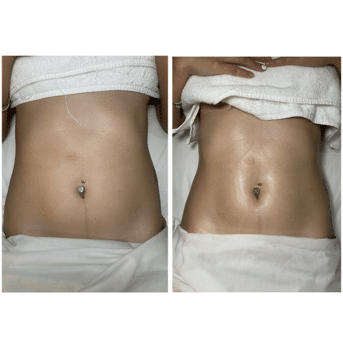
Yes, lymphatic drainage flattens the tummy temporarily by moving fluid out of the abdomen and easing bloating. Abdominal strokes and slow belly breathing help, since the diaphragm acts like a pump for lymph in the belly.
Do You Poop a Lot After Lymphatic Drainage?
You can poop a lot after lymphatic drainage when the session includes abdominal work, because those strokes stimulate the gut. More frequent urination is the more common change, and both usually settle within a day or two.
What Comes Out During Lymphatic Drainage?
What comes out during lymphatic drainage is excess tissue fluid, which leaves the body as urine after the kidneys filter it. Nothing leaves through the skin. Lymph nodes, the liver, and the kidneys handle the cell waste that lymph carries.
Putting It All Together
Knowing whether you need lymphatic drainage comes down to patterns. Swelling, heaviness, or puffiness that keeps returning and ignores rest points to slow lymph flow, and so do recovery after surgery, cancer treatment, lymphedema, lipedema, and vein disease. Sudden, one-sided, painful, or warm swelling points to a doctor first. For everyone else, daily movement, deep breathing, water, less sodium, and regular light bodywork keep fluid moving the way it should.
If heavy legs, morning puffiness, or lingering swelling sound familiar, a gentle session is an easy place to start. We would love to help you feel lighter and more at ease at Quantum Healing & Wellness.
Our doors in Bedford Hills are open whenever you are ready. Whenever the timing feels right, you can book a visit and we will talk through what your body needs.
Read our recent Blogs
Quantum Healing and Wellness PMA in Westchester NY is commited to wellness conent for you